
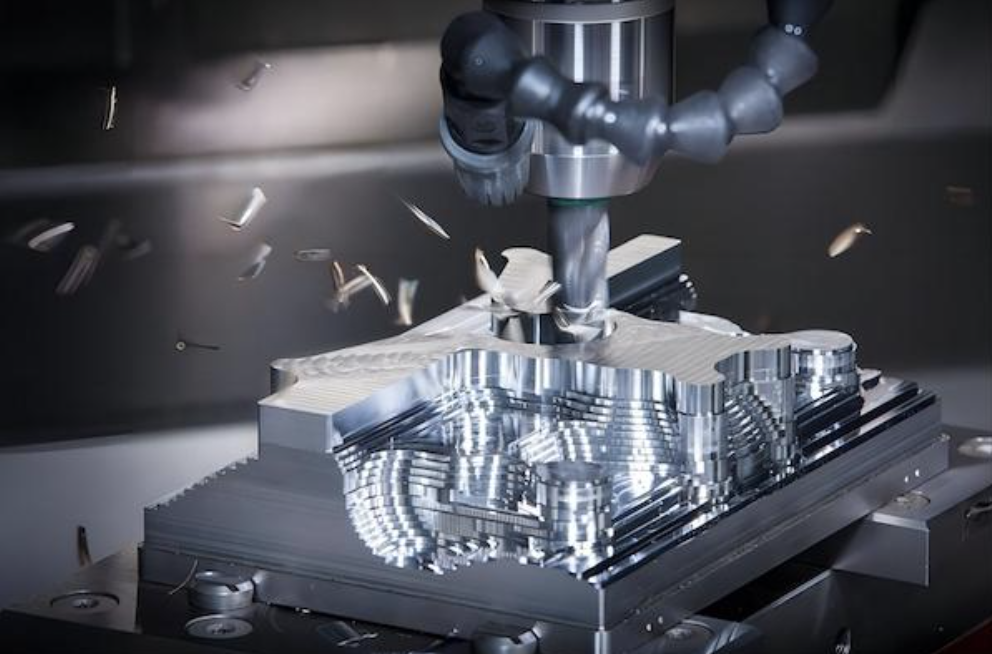


Low Volume Manufacturing
Jul 6, 2024 7:00 AM
Updated Jul 9, 2024 4:33 AM
In the aluminum CNC service, issues such as workpiece vibration, high noise levels, and machining deformation frequently arise.
Aeronautical aluminum alloys have high strength, resistance to corrosion and good plasticity. Because of this, these materials find broad application in the production of parts for aerospace and mechanical engineering. Thin-walled aeronautical aluminum alloy components are those that usually have a thickness ≤2mm and go through CNC machining operations that include shaping slots or holes by drilling process.
Thin-walled parts are often characterized by their thin thickness, large residual material, and generally poor rigidity. Therefore, in the aluminum CNC service, issues such as workpiece vibration, high noise levels, and machining deformation frequently arise.
This not only affects the machining dimensional accuracy of the parts but also affects the geometric tolerances of the parts. If you set the machining parameters are not reasonable is also very easy to cause the resonance of the processed parts, thus affecting the accuracy of the processing.
The analysis of the thin-walled aeronautical aluminum alloy parts machining process is what this paper does. In turn, it points out that improvements can be made in this area by establishing appropriate cutting parameters and creating special clamping tools design which has significantly improved the methods of processing. In view, the produced parts meet the requirements specified in drawings which helps to significantly enhance workpiece machining efficiency— thereby offering an effective approach for low volume manufacturing of compliant components with thin-walled aeronautical aluminum alloy material is justified.
Related stories
Specific Measures to Ensure the Quality of Thin-Walled Workpieces
The machining of thin-walled aeronautical aluminum alloy workpieces is a task influenced by various factors — the basic performance of the machine tool, cutting parameters, machining process, and clamping methods. Due to the high cost implications of altering the basic performance of the machine tool during actual machining, this particular factor will be excluded from consideration in this analysis. Consequently, adjustments can only be addressed from the angles of cutting parameters, machining process, and clamping methods.
2.1 Determining Appropriate Cutting Parameters
The machining quality is influenced greatly by the cutting parameters and, in particular, the tool life and machining accuracy— when they have to be taken into consideration, thin-walled aeronautical aluminum alloy parts should not use high spindle speed plus depth of cut plus feed rate during the rough milling stage due to possible occurrence of resonance or part deformation. In the finishing stage, although the feed rate and depth of cut are lower than in the rough milling stage, it should be noted that spindle speed is still high; this ensures that part deformation is corrected during the machining, thereby improving machining accuracy.
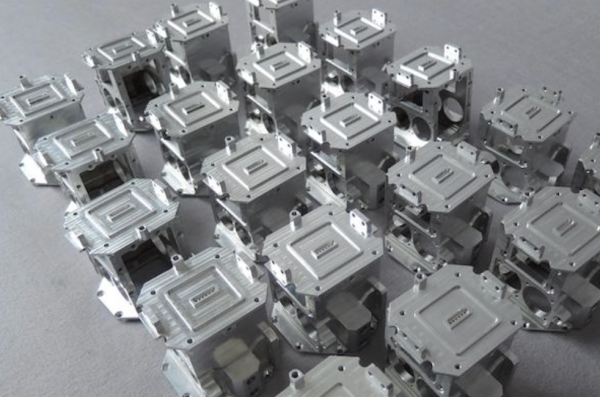
A φ12mm straight shank end mill was used in actual machining practices. The spindle speed for rough machining was determined through multiple experiments to be n=4000r/min, feed rate as F=400mm/min, and the depth of cut as Ad=3mm. On the other hand, for finishing operations: n=5000r/min, F=200mm/min, Ad=1.5mm, and Rd=0.1mm— these values were arrived at similarly. This way we guarantee the highest efficiency during the process while still able to uphold thin-walled aeronautical aluminum alloy workpiece's manufacturing accuracy and quality criteria in place.
2.2 Determining Appropriate Machining Processes and Clamping Methods
Parts like these are usually individually processed in traditional machining. This lowers the efficiency of machining greatly, since it also lowers the strength of each individual workpiece during machining, making deformation and resonance more likely. These negative impacts reduce the quality of machining due to relatively low strength levels.
Specialized clamping tools are essential in practical machining. A square aluminum plate of 500×400mm×30mm is fixed to the CNC milling machine table where the top surface of the aluminum plate is precision milled — ensuring flatness and meeting machining needs. Six base holes are drilled into the dedicated jig platform with M8 threads tapped into them; these threaded holes match precisely with where φ9.8mm holes need to be placed on the workpiece. Since the strength of the square aluminum plate is generally low, two middle holes are kept as backup threaded holes.
Single thin-walled aeronautical aluminum alloy workpieces have poor stiffness— hence the tendency to resonate and deform during machining. This does not bode well for tool lifespan or the quality of output, but all is not lost; multiple workpieces can be worked on concurrently using jigs that are specially designed. This method increases the effective thickness of these aeronautical aluminum alloy workpieces that are thin-walled, in turn changing their resonant frequency and boosting strength levels. With deformation significantly curtailed, there is hope: machining quality will improve and so will tool longevity.
When you are in the process of machining, the first thing to do is place a set of thin-walled aeronautical aluminum alloy plates with 160×160mm dimensions on the machine. Make sure that they are clean without any impurities and fit tightly around the edges when clamped. The six-hole positions on the workpiece need to be staggered with the threaded holes on the jig platform— this is for protecting those pre-machined threaded holes from damage by drill bits. Moreover, correct positioning of your workpiece should be done on the jig platform so that the holes machined each time align with previous ones: avoid misalignment which leads to extensive damage to the platform.
Pressure plates should be removed from the machined parts and secured onto the clamping tool platform using M8 screws through the through-holes. Make sure there are no other impurities on the jig platform and each aeronautical aluminum alloy workpiece is tightly fitted while clamping — paying close attention to these details during the process.
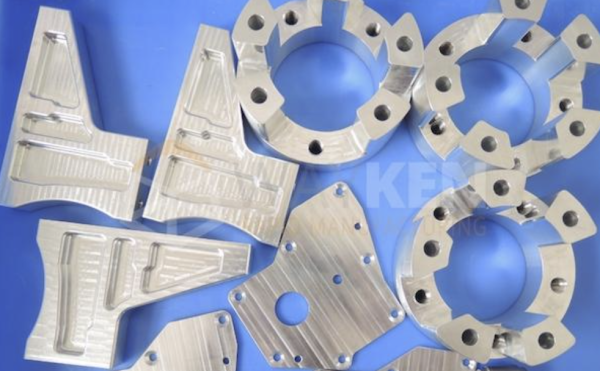
The correct placement of the tightening screws is crucial — ensure they are positioned properly and apply moderate force when tightening them. If the force applied is too much, it can harm the surface of the workpiece as well as the threaded holes in the jig platform. On the other hand, if the force applied is insufficient, it won't secure the workpiece properly. This can lead to vibration and deformation— factors that need to be avoided during both roughing and finishing stages.
Moreover, make sure that the final machining depth of the straight shank end mill during these stages is more than the total thickness of machined workpieces; this ensures that dimensions at the bottom-most workpiece are appropriate.
Conclusion
When machining thin-walled aeronautical aluminum alloy workpieces, the spindle speed and cutting speed must be appropriate to ensure that the machining accuracy reaches the required standard, as well as depth of cut. In addition, another two stages should be added to modify the machining process: roughing to enhance productivity and finishing to minimize deformation.

Specialized jigs play a vital role in guaranteeing machining precision for thin-walled aeronautical aluminum alloy workpieces. This is especially true when the rigidity of machined thin-walled aeronautical aluminum alloy parts is severely insufficient — leading to resonance and deformation issues. In such cases, the designed specialized jigs enhance quality and effectiveness of machining work significantly; they are also easy to produce under real machining conditions.
The content is not about the importance of this paper as a reference method in dealing with thin-walled aeronautical aluminum alloy workpieces, but more about its broad guiding meaning and applicability.
Comments

Powered by RoundtableAn AI/DeFi-powered Enterprise Media Operating System. Learn more at Roundtable.io.© Roundtable 2026. By using this site you agree to the Terms of Use and Privacy Policy