



Dec 15, 2025 8:00 AM
Updated Jan 22, 2026 3:14 AM
A person's wishes are often intrinsically linked to providing a meaningful financial legacy, one that is not severely diluted by poor management or, more significantly, taxation.
Human intention is ephemeral. Our wishes, values, and memories are clear to us, but they become fragile and open to interpretation the moment we are no longer present to articulate them. In the wake of a loss, families are often left to navigate a painful fog of ambiguity. Debates over "what they would have wanted" begin, born from a genuine desire to honor a legacy but often resulting in conflict, resentment, and a distortion of the very memory they seek to protect. This uncertainty can create deep fractures, turning a time of shared grief into one of division. The law, through the mechanisms of estate planning, offers a powerful antidote to this fragility. Working with an estate tax attorney Missoula MT families can ensure their intentions are preserved and legally protected, transforming personal values and final wishes into clear, enforceable directives that speak with lasting authority when they no longer can.
The Last Will: A Voice Beyond the Grave
The last will is the most fundamental tool for preserving intent, serving as an individual's codified voice after death. Its primary function is to clearly outline several critical directives, including:
- Distributing Assets: Naming who shall receive tangible property, from the family home to sentimental heirlooms.
- Nominating Guardians: Appointing the chosen individuals to care for minor children, transforming a wish into a legal directive.
- Appointing an Executor: Designating a trusted person or institution to manage the estate and ensure all instructions are followed.
Related stories
This document is the first layer of structured memory. The probate process, while often viewed as a complex bureaucracy, is actually the public mechanism for enforcing this memory. The court's role is to formally validate that this "voice"—the will—is authentic and legally sound. It then oversees the executor to ensure that the testator's wishes are faithfully executed, protecting that individual's final directives from being ignored or overridden by disputes among grieving heirs.
The Trust: Structuring a Detailed and Nuanced Legacy
While a will clearly states who gets what, a trust defines the how, when, and why of a legacy. It is a far more nuanced and private vehicle for preserving a person's values and long-term intentions. By creating a trust, an individual can structure their memory to unfold over time. This legal entity can manage an inheritance for a young adult until they reach financial maturity, provide for a beneficiary with special needs without disrupting essential government benefits, or protect assets from creditors. In probate law, this kind of planning often works in parallel with the oversight of a probate attorney, ensuring that trust terms and court administered estate matters support one another without friction. This allows a person to project their values into the future—funding education, incentivizing charitable work, or protecting a family property. Crafting this detailed structure to account for complex family dynamics or significant assets is a precise art, which is why individuals often seek a specialized trust advocate Arizona to ensure the document’s language is flexible, specific, and legally unassailable for decades to come.
Preserving the Value: Taxation and Financial Memory
A person's wishes are often intrinsically linked to providing a meaningful financial legacy, one that is not severely diluted by poor management or, more significantly, taxation. When an estate includes complex assets like a family business, extensive real estate holdings, or large investment portfolios, the impact of federal and state estate taxes can be substantial. These taxes can dramatically alter the intended inheritance, forcing heirs to sell assets just to pay the bill.
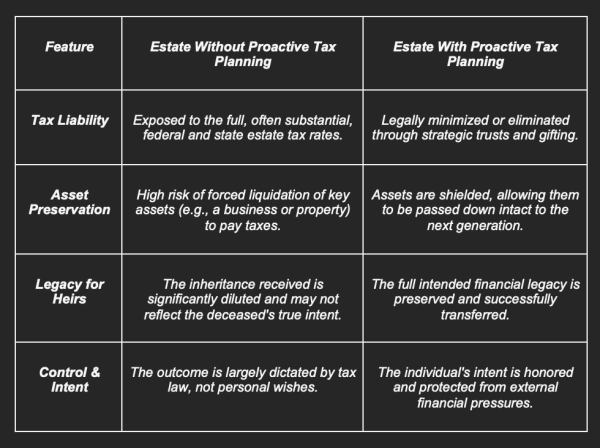
Through mechanisms like generation-skipping trusts, irrevocable life insurance trusts, or charitable remainder trusts, an individual can legally and ethically shield their estate's value. This is a highly specialized field. An estate tax attorney Missoula MT, for example, does more than just draft documents; they architect a comprehensive financial structure that honors the individual's intent by ensuring the fullest possible expression of their financial legacy is successfully passed on to their designated heirs.
The Living Memory: Autonomy in Medical Decisions
Legal permanence is not just a concern for after death. It is critically important for preserving a person's autonomy and values during a period of incapacity, a time when they are alive but cannot speak for themselves. This is where the law allows an individual to project their "living memory"—their core beliefs and personal dignity—into a future scenario. Advance healthcare directives are the primary tools for this. These documents typically have two key components: the durable power of attorney for healthcare, which appoints a trusted agent to be their "speaker," and the directive to physicians. This directive, often known as a living will Montana for residents of that state, provides the "script." It allows a person to legally and clearly articulate their specific wishes regarding end-of-life care, such as the use or refusal of life-sustaining treatment. This profound act of legal foresight honors their autonomy and, just as importantly, relieves their loved ones of an agonizing decision-making burden.
The Law as a Human Archive
The documents of an estate plan—wills, trusts, and advance directives—are far more than dry, technical instruments. When viewed through a human lens, they are a form of structured memory. They serve as a personal, legally binding archive designed to preserve:
- Our Intentions: The clear, final word on who should receive specific assets and responsibilities.
- Our Values: The support for charitable causes, the encouragement of education, or the preservation of a family legacy.
- Our Care: The nomination of guardians to protect minor children and the outlining of healthcare wishes to ease the burden on family members during difficult times.

The law, in this capacity, transcends its cold reputation and serves as a profoundly human custodian. It takes our fleeting wishes, which are vulnerable to dispute and the distortions of time, and transforms them into an enforceable and permanent reality. This process provides more than just a tidy distribution of assets; it offers a final, lasting act of care and the deep peace of mind that comes from knowing our voice will be heard, clearly and faithfully, long after we are gone.
Comments

Powered by RoundtableAn AI/DeFi-powered Enterprise Media Operating System. Learn more at Roundtable.io.© Roundtable 2026. By using this site you agree to the Terms of Use and Privacy Policy