
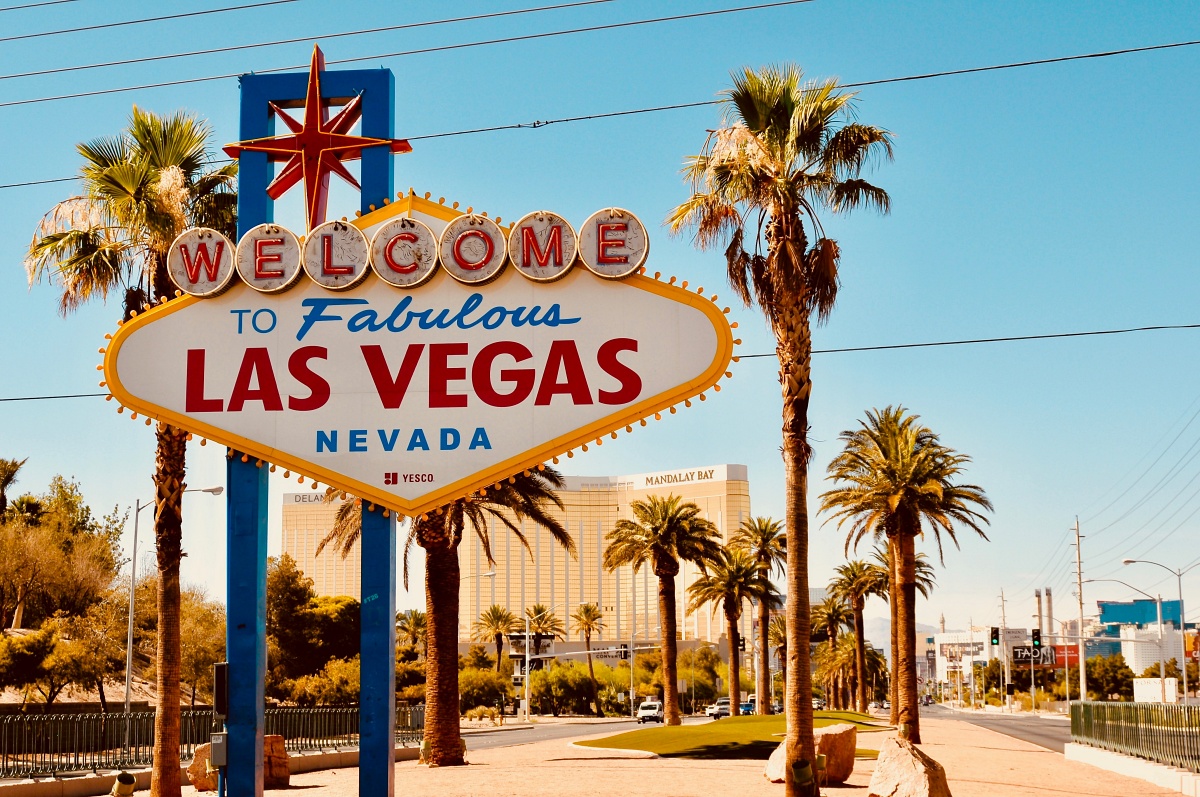
Photo by Grant Cai on Unsplash


Apr 23, 2025 7:00 AM
Updated Apr 26, 2025 10:52 PM
Despite recent improvements in lighting and overpasses, the Las Vegas Strip remains one of the most hazardous pedestrian corridors in the United States.
On the surface, the Las Vegas Strip dazzles with luxury resorts, neon-lit crosswalks, and the hum of endless entertainment. But behind the glittering façade is a sobering reality: pedestrians - especially local workers, immigrants, and the unhoused - face daily dangers navigating these streets. As collisions and fatalities rise, safety on the Strip has become more than a traffic concern; it’s a pressing issue of equity and social justice.
For a Las Vegas Injury Lawyer, the Strip represents both a literal hotspot for incidents and a legal battleground for policy reform. Legal advocates, civic organizations, and journalists from outlets such as LA Progressive are increasingly amplifying calls to reframe pedestrian safety not just as an urban planning issue, but as a civil rights imperative. Here’s how the Strip’s pedestrian crisis became a barometer for broader social inequities - and why the push for stronger safety laws is gaining momentum.
The Vegas Strip’s Grim Record on Pedestrian Safety
Despite recent improvements in lighting and overpasses, the Las Vegas Strip remains one of the most hazardous pedestrian corridors in the United States. According to Nevada's Office of Traffic Safety, pedestrian fatalities in Clark County surged by 23% between 2019 and 2023, with many of these incidents concentrated in high-tourism areas.
The danger isn’t confined to distracted tourists jaywalking across Las Vegas Boulevard. In fact, many victims are service workers commuting on foot from nearby neighborhoods, gig-economy employees delivering food, and unhoused individuals crossing poorly marked intersections late at night. The structural layout of the Strip prioritizes vehicle traffic and entertainment spectacle over pedestrian utility, often leaving those on foot to navigate high-speed traffic zones, complex intersections, and narrow sidewalks.
Related stories
An alarming number of hit-and-runs on the Strip never result in convictions, prompting legal advocates to demand tougher liability enforcement and better protection for vulnerable road users. “Too often, the justice system treats pedestrian injuries such as unfortunate accidents rather than preventable tragedies,” says Jayden Cooper, a local Las Vegas Injury Lawyer known for representing low-income victims. “And that mindset perpetuates harm.”
Infrastructure Bias and Its Impact on Marginalized Communities
The Strip’s infrastructure, designed primarily for tourism and vehicle access, systematically marginalizes those who rely on pedestrian pathways. Residents working in nearby casinos and hotels often walk to early-morning or late-night shifts when public transit options are limited. Many cross zones that lack pedestrian islands or fail to enforce driver yield laws - placing them at significantly higher risk than out-of-town visitors who are channeled through walkways connected to resorts.
This bias is a textbook example of what urbanists call “transportation inequity.” Sidewalks are uneven or missing altogether in places that disproportionately serve residents rather than tourists. In underserved neighborhoods bordering the Strip, such as Naked City or the Historic Westside, residents have long endured unsafe crossings and insufficient lighting that make them more vulnerable.
These design flaws are not neutral. They reflect choices that favor tourism revenue over human dignity. In failing to accommodate the safety needs of locals, the city tacitly devalues their presence - even as their labor sustains the economy.
Legal Advocacy as a Tool for Systemic Change
While traffic engineers and city planners hold much of the power to redesign infrastructure, legal professionals have emerged as powerful allies in the fight for pedestrian justice. Lawsuits brought by injury lawyers are not only about financial compensation; they often highlight systemic negligence and demand institutional accountability.
In 2022, a high-profile case brought by the family of a street vendor who was struck and killed near the Mirage Hotel resulted in a $4.8 million settlement. But perhaps more importantly, the case forced city officials to reassess the traffic patterns in that zone and increase nighttime traffic enforcement. The plaintiff’s Las Vegas Injury Lawyer also partnered with community organizations to petition for improved signage and pedestrian access points in the surrounding blocks.
Such legal interventions are increasingly seen as instruments of civic pressure. When attorneys file claims against public agencies or large property developers for unsafe crossings or inadequate lighting, they create public records that fuel grassroots campaigns for reform. This fusion of legal strategy and community organizing has proven effective in cities such as Los Angeles and is now gaining traction in Vegas.
Pedestrian Safety as a Racial and Economic Justice Issue
Data from the Southern Nevada Health District shows that Black and Hispanic residents are overrepresented in pedestrian injury statistics along the Strip. These communities also experience higher rates of economic vulnerability, housing instability, and carlessness - all factors that increase reliance on walking or public transit.
For unhoused individuals, the risks are even more acute. Many live in tents or makeshift shelters near the Strip, crossing streets without access to safe crosswalks or warning systems. In one tragic 2023 incident, two unhoused individuals were killed by a speeding SUV while attempting to cross Sahara Avenue. The driver fled the scene and was later apprehended - but not before civic groups called out the city’s failure to provide refuge or safer routes for its most vulnerable residents.
Without stronger pedestrian safety laws that explicitly address these intersections of race, class, and mobility, these patterns are likely to persist. Civic equity means more than ADA-compliant ramps or decorative overpasses - it means rewriting policy with the most at-risk individuals in mind.
Policy Proposals Gaining Momentum in Clark County
Several policy proposals aimed at pedestrian justice are now circulating within Clark County government. One major initiative involves “Vision Zero” mandates, modeled after programs in cities such as New York and San Francisco. These mandates set ambitious targets for reducing pedestrian fatalities, with a long-term commitment to achieving zero deaths by 2035.
Another proposal focuses on implementing automated speed enforcement along pedestrian-dense corridors such as the Strip and Fremont Street. By leveraging technology to deter reckless driving, this approach aims to make these high-traffic zones safer for both tourists and locals.
Additionally, there is growing support for expanding Safe Streets funding to enhance infrastructure in surrounding neighborhoods. This would include improvements to sidewalk conditions, increased street lighting, and better-marked crosswalks in residential zones adjacent to the Strip - areas often overlooked in city planning despite high pedestrian usage.
Much of this momentum is being driven by a coalition of injury attorneys, urban equity advocates, and local nonprofits such as the Nevada Coalition for Pedestrian Safety. By aligning legal pressure with policy reform, they aim to transform the Las Vegas Strip from a pedestrian hazard into a national model for inclusive and equitable urban design.
Reclaiming the Strip for Everyone
Las Vegas may be known globally for its tourist appeal, but it is also home to nearly 650,000 residents - many of whom interact with the Strip not as visitors, but as workers, commuters, or neighbors. Their safety matters just as much as the thrill of a casino or the dazzle of a light show.

A safer Strip is a more just Strip - one that acknowledges the humanity of every pedestrian, regardless of ZIP code or socioeconomic status. By integrating legal advocacy, civic planning, and grassroots action, Las Vegas has an opportunity to become not just a beacon of entertainment, but a model for how cities can prioritize equity in their most iconic public spaces. It starts with strong laws, but it ends with a cultural shift - where dignity, not danger, defines the pedestrian experience.
Comments

Powered by RoundtableAn AI/DeFi-powered Enterprise Media Operating System. Learn more at Roundtable.io.© Roundtable 2026. By using this site you agree to the Terms of Use and Privacy Policy