
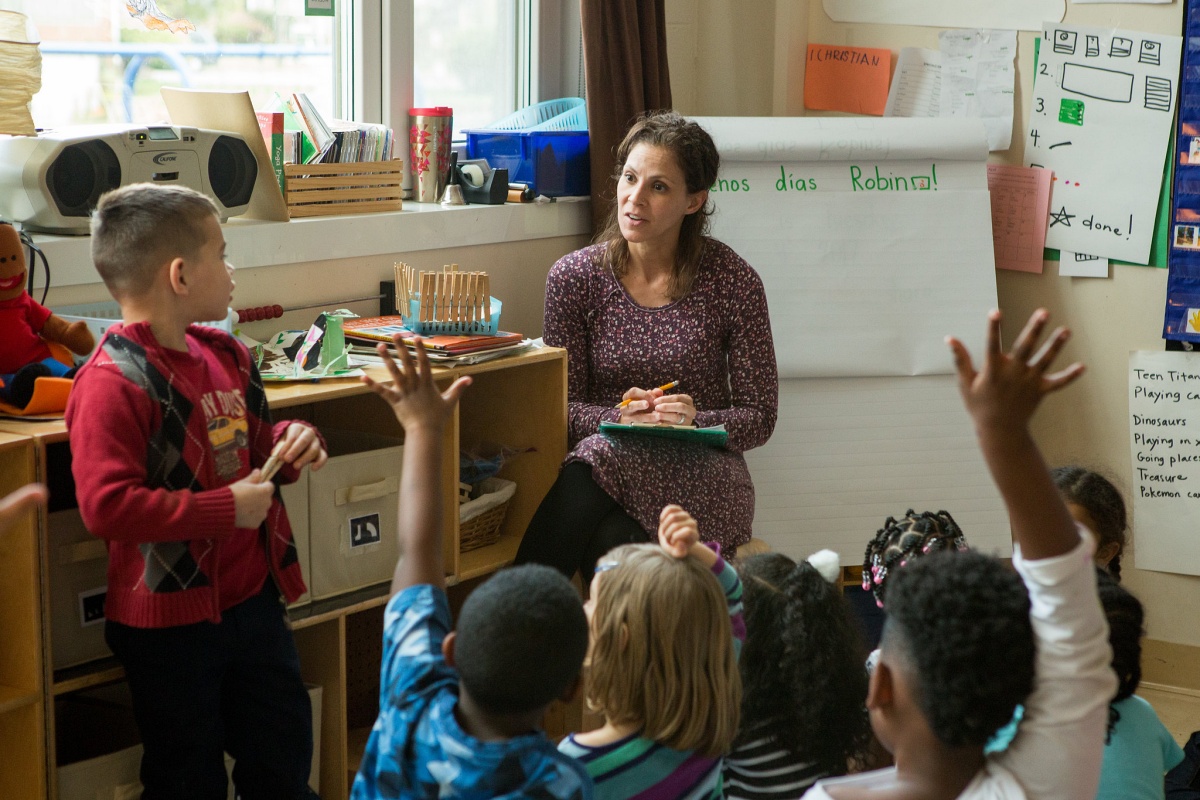
Alliance for Excellent Education • Attribution-NonCommercial (CC BY-NC 2.0) • Flickr


Kinesthetic Learning Structure
Jun 22, 2024 7:00 AM
Updated Jun 27, 2024 12:26 AM
Boost learning potential with kinesthetic learning structure. Discover effective methods to engage students through hands-on educational experiences.
Learning is an ongoing adventure where we gather knowledge, skills, and values. Each person has their unique way of learning, but let's be honest: not everyone thrives with just textbooks or lectures. Enter kinesthetic learning!
Kinesthetic, or tactile learning, is all about engaging your body through physical activities and movement. Imagine using touch and motion to grasp and remember information better. It's a game-changer, especially for those who struggle with traditional methods.
Ready to unlock your learning potential? Let's dive into some exciting ways to embrace a kinesthetic learning structure!
Classroom Strategies
Related stories
For young learners, the classroom can be a dull and restricting environment. When learning what is kinesthetic learning, it's all about breaking free from the monotony.
Here are some ideas to get started to improve learning with movement:
Incorporate Movement
Instead of sitting for hours, add movement to lessons. For example, have students act out a story they are reading or use hand gestures to remember words.
Hands-On Learning
Using hands-on activities can help understand concepts. Math problems can be solved with blocks or counting fingers. Science experiments let students see and touch the ideas being taught.
Interactive Learning Tools
There are many learning tools available now, like online games and educational apps. These let students engage with the material while also being active.
Field Trips and Outdoor Learning
Take learning outside! Field trips and outdoor activities give students a change of scenery and help them learn through hands-on experiences.
Group Activities
Group work is another way to use hands-on learning. Students can take turns showing tasks, acting out roles, or making physical models of ideas together.
Study Techniques
Kinesthetic teaching techniques don't have to stop after class. Here are some study techniques that can help you retain information better:
Active Study Methods
Instead of just reading notes, try to engage with the material. Write out key points, draw diagrams or pictures, and use flashcards.
Physical Mnemonics
Mnemonics help you remember by making associations. For hands-on learners, physical mnemonics are effective. This type of mnemonic could be a dance or movements to remember a list.
Study Groups
Studying with others lets you work together and learn by doing. You can take turns teaching and explaining ideas, or act out scenes related to what you're learning.
Take Breaks for Movement
Sitting and studying for hours can be tiring and not helpful. Take short breaks to move around, stretch, or take a quick walk.
Use Flashcards or Manipulatives
Flashcards are a great way to memorize things. They don't have to be just words. You can make flashcards with pictures or use items like blocks or counters.
Homework and Assignments
Homework and assignments can also be adapted to incorporate kinesthetic learning. Here are some ideas:
Hands-On Projects
Instead of just writing an essay, projects like building models or creating artwork can help students better understand and apply the material.
Use Technology
Technology makes homework more fun. You can use virtual tools for math or play educational games for other subjects.
Incorporate Movement Into Assignments
Just like with classwork, add movement to assignments. Make videos or presentations with physical demos or use dance or yoga poses to show ideas.
Outside the Classroom
Learning doesn't have to be limited to the classroom. Encourage kinesthetic learning outside of school with these ideas:
Extracurricular Activities
Playing sports or doing physical activities can give a break from regular studying. It can also help people learn through movement.
Volunteering
Volunteering can be a hands-on learning experience. Whether building houses or working in a community garden, these activities let you practically use skills and knowledge.
Creative Hobbies
Doing creative hobbies like painting, playing an instrument, or cooking can also include kinesthetic learning. These activities need physical movements and can help with hand-eye coordination, rhythm, and problem-solving.
Classroom Environment
The classroom environment itself can be optimized for kinesthetic teaching:
Flexible Seating
Letting students choose how they sit and move during the day can help them find a comfy and productive way to learn.
Use Color and Visuals
Using visuals like posters, charts, and color-coded materials helps make information easier to remember.
Engage All Senses
Kinesthetic learners can benefit from using all senses in learning. This may include music or scents to create a multi-sensory environment for better information retention.
Teacher Involvement
Finally, teachers play a crucial role in creating and supporting kinesthetic learning. Here are some tips for educators:
Understand Different Learning Styles
Teachers should know different learning styles, like kinesthetic learning, to help their students better.
Be Creative and Open-Minded
Including hands-on activities might require teachers to be creative and flexible. Don't be scared to think differently and try new methods.
Provide Options
Not all students will do well with hands-on learning. It's important to offer different ways to learn so everyone can do their best in class.
Personalized Instruction
Kinesthetic learners may benefit from personalized instruction and feedback. Teachers can incorporate one-on-one or small group activities to cater to individual needs.
Assessment and Grading
Kinesthetic learning can also be taken into consideration when assessing and grading students:
Alternative Assignments and Tests
Allow for alternative assignments and tests that cater to kinesthetic learners. This could include hands-on projects or performance-based assessments.
Consider Effort Over Results
Instead of focusing solely on the result, consider the effort put in by a student when evaluating their work. Kinesthetic learning may require more physical activity and movement, which should be recognized and valued.
Frequent Feedback
Providing frequent feedback can help students identify what is working for them and what needs improvement. This can also allow teachers to adjust their teaching strategies accordingly.
Maximize Your Potential With Kinesthetic Learning Structure
Incorporating kinesthetic learning structure into education not only benefits those who thrive with this style, but it also promotes inclusivity and diversity in the classroom.

By creating a dynamic and engaging learning environment, students can maximize their potential and develop a lifelong love of learning. So go ahead, get moving, and unlock your full learning potential!
Is this article helpful? Keep reading our blog for more.
Comments

Powered by RoundtableAn AI/DeFi-powered Enterprise Media Operating System. Learn more at Roundtable.io.© Roundtable 2026. By using this site you agree to the Terms of Use and Privacy Policy