


Feb 13, 2026 8:00 AM
Updated Feb 17, 2026 3:23 AM
Journalists handling sensitive whistleblower accounts recognize that digital encryption alone cannot guarantee anonymity.
Investigative reporting operates within an increasingly hostile surveillance landscape. Government agencies, corporations, and malicious actors deploy sophisticated monitoring tools that compromise digital communications daily. Sources risking their careers and safety demand ironclad protection. Physical meeting security has emerged as a critical pillar of modern source protection.
Journalists handling sensitive whistleblower accounts recognize that digital encryption alone cannot guarantee anonymity. End-to-end privacy requires eliminating every potential vulnerability, including the journey to and from sensitive conversations. Surveillance-free environments have become non-negotiable for reporters pursuing stories that challenge powerful institutions.
Public Transit Exposes Reporters to Multiple Risks
Buses, trains, and rideshare services create dangerous exposure points for confidential meetings. Passenger witnesses can identify sources or reporters, destroying anonymity instantly. GPS tracking embedded in transit systems records precise location histories with timestamps.
Driver records from Uber and Lyft maintain permanent logs of pickup and drop-off coordinates. Security cameras blanket public transportation, capturing facial recognition data continuously. Digital payment trails link credit cards directly to specific journeys and meeting locations.
Related stories
Specific vulnerabilities include:
- Timestamped records from transit cards reveal travel patterns and meeting frequencies.
- Geo-location metadata from smartphones automatically logs station visits and route histories.
- Third-party drivers possess full names, phone numbers, and destination records.
- Transaction histories create permanent financial connections between reporters and sensitive locations.
- CCTV footage provides visual evidence of source meetings for future subpoena requests.
Private Transportation Services Offer Complete Route Control
Personal cars grant journalists unmatched flexibility for avoiding detection. Reporters choose unpredictable routes that confuse potential surveillance teams. Counter-surveillance maneuvers become possible through sudden lane changes, highway exits, and looping back through residential areas.
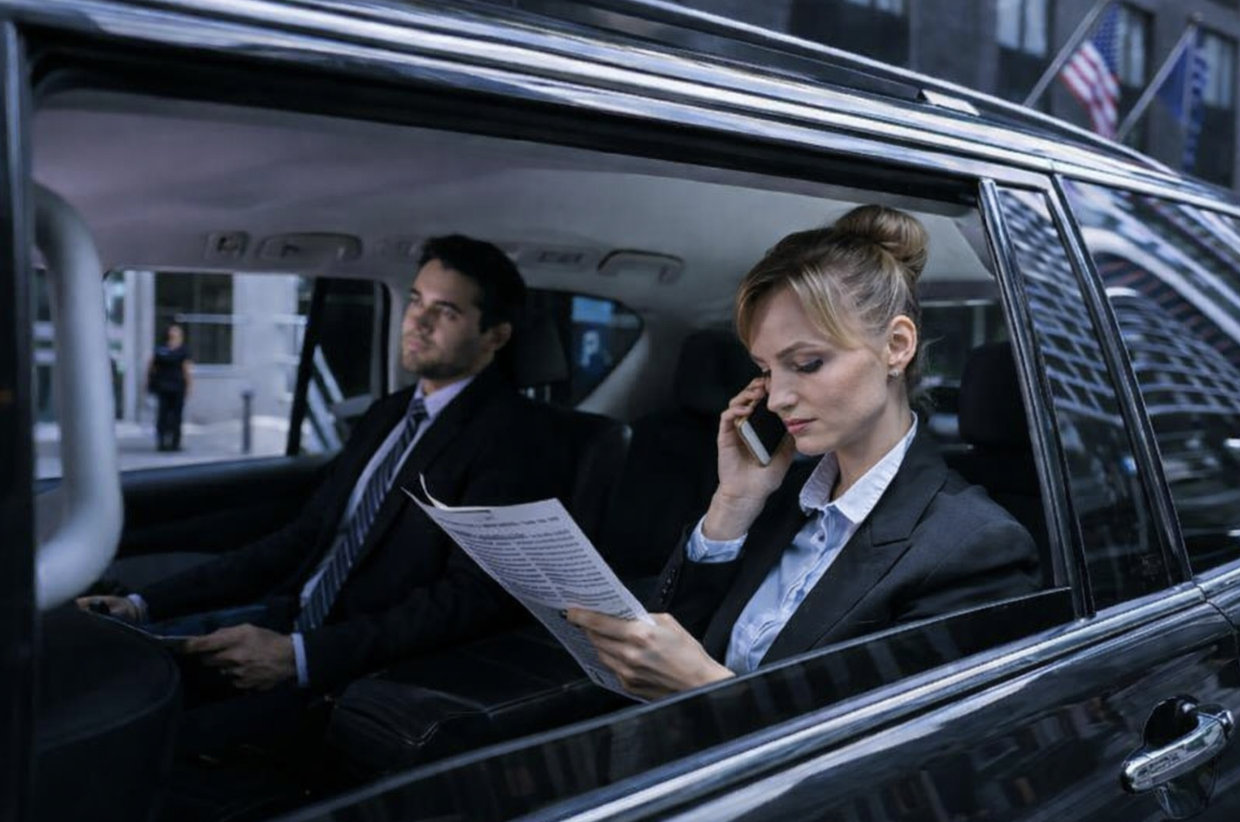
Pattern avoidance prevents adversaries from predicting meeting locations based on past behavior. Real-time route changes allow journalists to spot and lose potential tails before reaching sensitive destinations. Scheduled transit cannot provide these operational security advantages. Even high end transportation services with professional chauffeurs follow predetermined routes and maintain predictable service patterns that compromise operational security. App-based rides lock users into predetermined paths with zero flexibility.
Personal Cars Eliminate Third-Party Records
Rideshare apps generate permanent corporate databases linking journalists to specific addresses. Taxi companies maintain dispatch records available through legal subpoena. Transit cards create digital footprints showing exactly when and where reporters travel. Personally owned vehicles bypass these surveillance mechanisms entirely.
Cash-rented cars from non-chain rental services provide additional anonymity layers. Zero corporate logs result from private vehicle use. No app-based tracking follows the journey. Cash-only transactions for fuel and parking remove financial surveillance. Database-free travel protects both reporter and source from future investigation.
Tracking methods vary dramatically across transport types:
- Rideshare apps retain trip data indefinitely, including route maps and payment details.
- Taxis log dispatch times, pickup locations, and destination addresses in company systems.
- Public transit captures entry and exit timestamps through smart card systems.
- Private vehicles generate no external records when paid with cash and avoid tolls.
Controlled Environments Protect Conversation Security
Private cars function as mobile soundproof cabins during sensitive discussions. Eavesdropping-free zones prevent audio interception from nearby tables or passing pedestrians. Public coffee shops allow anyone to sit within earshot or record conversations secretly. Parks expose discussions to hidden microphones and telephoto lenses. Shared vehicles contain unknown recording devices controlled by rideshare companies.
Controlled audio environments inside personal cars ensure confidential information remains strictly between journalist and source. Windows roll up. Doors lock. Conversations stay contained within steel and glass boundaries that outsiders cannot penetrate.
Journalists Customize Vehicles for Maximum Security
Professional reporters implement rigorous vehicle preparation protocols before sensitive meetings. Toll transponder removal prevents automatic license plate readers from tracking movements across highways. Burner navigation devices purchased with cash eliminate smartphone GPS tracking that connects to personal identities.
ALPR-free routes avoid known automatic license plate reader locations through careful pre-trip planning. Reconnaissance protocols require journalists to scout meeting locations hours beforehand, identifying surveillance cameras and escape routes.
Essential vehicle preparation steps include:
- Removing all toll transponders and RFID tags that create location records.
- Purchasing dedicated burner phones solely for navigation during sensitive trips.
- Selecting parking areas outside CCTV coverage and away from high-traffic zones.
- Conducting thorough meeting-site reconnaissance to identify potential threats.
- Using cash for fuel, parking, and any incidental purchases during the journey.
Source Comfort Increases with Privacy Assurance
Psychological security directly impacts information quality during whistleblower interviews. Sources sharing classified documents or illegal activity details experience extreme anxiety in public spaces. Guaranteed anonymity through private vehicle meetings builds immediate trust between reporter and informant.
Sources relax knowing zero witnesses observe their arrival or departure. Confidence in discretion encourages deeper disclosure of critical information. Trust-building environments inside personal cars transform nervous whistleblowers into willing participants. Sources reveal more extensive documentation when physical security feels absolute rather than theoretical.
Modern Journalists Balance Digital and Physical Protection
Comprehensive source protection requires integrating multiple security layers simultaneously. End-to-end encryption through Signal protects message content. VPNs mask internet traffic during research phases. Layered security approaches combine these digital tools with physical transportation security. Following journalist security best practices demands mastering both technological and operational counter-surveillance techniques.
Private vehicles serve as the physical foundation supporting digital anonymity efforts. Serious investigative work continues, relying on this dual-protection methodology despite advancing surveillance technologies. Reporters prioritizing source safety recognize that encryption means little if physical travel patterns expose whistleblower identities.
Comments

Powered by RoundtableAn AI/DeFi-powered Enterprise Media Operating System. Learn more at Roundtable.io.© Roundtable 2026. By using this site you agree to the Terms of Use and Privacy Policy