


Mar 26, 2026 7:00 AM
Updated Apr 2, 2026 3:50 AM
Raised in New York City and now based in Tampa, Vignona has spent more than two decades at the intersection of commercial growth and complex technology execution in medical technology and life sciences.
The first thing you notice about Josh Vignona is how he talks about cities, the way some people talk about mentors.
New York is where the pace got wired into him. Tampa is where he learned to hold ambition and breathing room in the same life. Indianapolis and San Francisco sharpened him in conference rooms and client sites. Bangalore, on a work trip, felt like a reset.
“Every city has its own personality, culture and traditions,” Vignona said. “The people are what make every city special.”
He belongs to a growing class of professionals who treat movement as more than a perk. For them, the world is not a reward you visit later. It is the classroom. The airport is a hallway. The calendar is a map. Adventure is not escapism, it is training.
Related stories
Raised in New York City and now based in Tampa, Vignona has spent more than two decades at the intersection of commercial growth and complex technology execution in medical technology and life sciences. His career spans sales and marketing, consulting, leadership, resource planning and long runway implementations where the margin for error is thin and the human side of work matters as much as the technical.
He built that career with the mind of an athlete, he said, and he still approaches pressure the same way.
“Sports always started as a social activity and then grew competitive as I got more proficient,” he said. “But the lessons go far beyond the field.”
As a kid, he played baseball, basketball, track and soccer. As an adult, he kept the thread and made boxing a constant. Not as a hobby, he said, but as accountability. In combat sports, focus is not optional. You cannot coast through a round and call it effort.
“I recommend boxing training to anyone, any age,” he said. “You learn a lot about yourself and gain confidence from combat sports.”
Josh Vignona: ‘I Enjoy The Competitive Outlet’
Josh Vignona does not romanticize sports. He respects it, and he pulls its lessons into his everyday life and career. Team sports taught him collaboration, he said, the discipline of working toward a shared goal and learning from both wins and losses. Boxing taught something else.
“Individual sports such as boxing taught me about my own capabilities,” he said. “Staying internally motivated and taking accountability for my own actions.”
That contrast shapes his leadership style. He values strong teams, he said, and he also believes self management is nonnegotiable. In corporate life, it can be easy to blame circumstances. In boxing, excuses do not last a full round.
He still seeks out competitive outlets, including basketball and softball leagues. He likes the pressure, the split second decisions, and the way sports demand presence.
“I enjoy the competitive outlet and using my athleticism,” he said.
His view of recovery is just as direct. He treats it as part of the job. Deep tissue massage, rolfing, cupping and stretching are all in the rotation, not as trends, but as maintenance.
“Injuries are a part of sports,” he said. “Players are rarely at 100 percent health. Pain management and allowing yourself to heal when you’re truly injured are the reality of sports.”
Asked what wellness improves, he answered like a leader describing performance: focus, determination, the desire to win as a team, the ability to keep working toward goals and to stay calm under pressure.
“Focus, determination, desire to win as a team, working towards goals, staying positive and calm under pressure,” he said.
He does not deliver speeches about balance. He talks about objectives. He meets them, he said, and he trains when time allows. It is not glamorous; it is professional.
That clarity helps explain why his story lands with nomad minded professionals rewriting the rules of modern work. They are not running from structure. They are pushing back on corporate boundaries and building lives designed on their own terms.
Business Travel As A Second Education
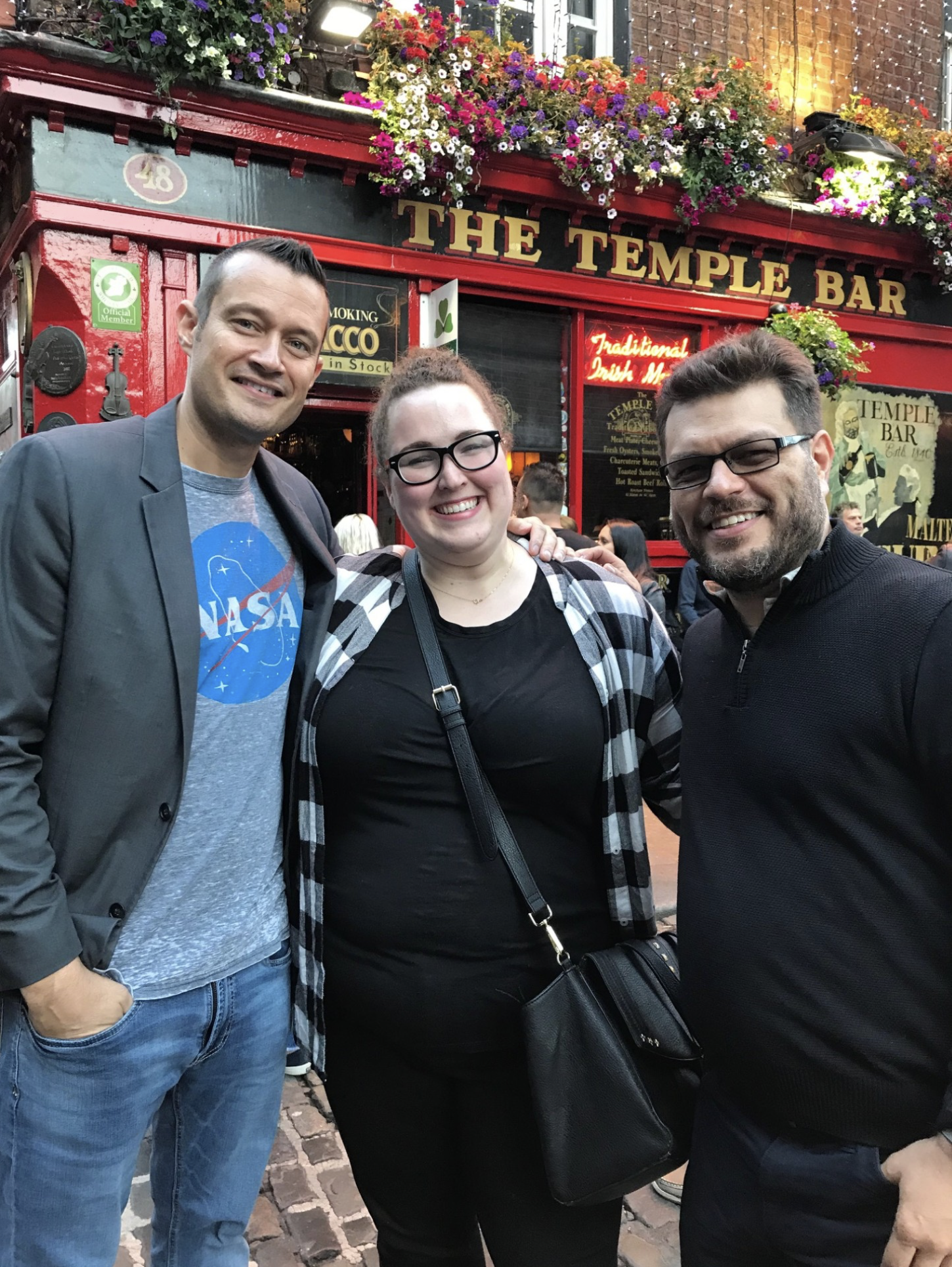
Vignona’s work has taken him across the U.S. and abroad, including India, South Korea, Ireland and Switzerland. He also points to cities like Indianapolis, Portland, Maine, Dallas and San Francisco as anchors in his journey, places where he gained perspective from colleagues and learned through collaboration.
“These are meaningful to me because I have gained new perspectives from colleagues and learned from the opportunities to collaborate,” he said.
He has a term for how he travels, blending business demands with small windows of exploration.
“Bizleisure means that I find pockets of personal time to explore in the cities that I travel to, for business,” he said. “This can come in the form of dinners, after hours, or tagging additional days onto my business trip, to explore local destinations.”
It is easy to mock the buzzword, but his point is simple. Frequent travel can numb people to places. Vignona resists that by treating each city as something to learn.
“Every city has its own personality, culture and traditions,” he said. “The people are what make every city special.”
In Bangalore, he visited the ISKCON Temple during downtime, and the experience stayed with him longer than any dinner reservation.
“It was a memorable experience due to experiencing the culture and traditions of the locals,” he said.
That exposure, he believes, changes how professionals show up. It expands imagination and breaks the habit of assuming your way is the default.
“Global awareness allows me to learn from the experiences of teammates, collaborate with colleagues with unique perspectives, and it makes for a better, more thoughtful outcome,” he said.
This is the subtle advantage the new nomads understand. Travel does not just broaden taste. It broadens judgment. It slows your impulse to assume and sharpens your instinct to ask better questions.
Looking ahead, Hawaii is on his list, and he is clear about the role travel will continue to play.
“I’ll be traveling for work until I retire,” he said. “And I love it.”
Agile Thinking In A World That Changes Fast
Vignona’s professional toolkit fits neatly in the modern enterprise stack. He is an expert in CRM platforms including Salesforce, Oracle CRM On Demand and Siebel, and he holds certifications tied to project management and Scrum, along with an Agile Project Management credential. The point is not the acronyms. It is what they represent, a commitment to execution that can adapt as reality shifts.
“The Agile method helps guide the execution of large scale tech implementations,” he said.
At its best, Agile is not a trend. It is a discipline of responsiveness. It values iteration over ego, and it rewards teams that communicate, adjust and keep moving, without pretending the plan was perfect on day one.
That mind set aligns with how Vignona has built his career in life sciences and medical technology, where commercial strategy, digital go to market, CRM integration, analytics and reporting, and operational excellence can collide inside a single initiative. He has coached developing talent, helped build high performance teams and supported organizations as they design and integrate solutions across platforms and channels.
The habits that steady him professionally are not separate from the ones that shape his life outside work. He returns to the same pattern whether he is managing a project, traveling for work or training for fitness. He plans, executes, reviews and adjusts. He learns from wins and losses, and he works to stay composed when pressure rises.
In his personal life, Vignona is passionate about Autism Awareness. For him, it is not just something to talk about during a campaign or awareness month. He believes it starts with everyday empathy, patience and understanding in how people treat one another.
Sports remain part of the through line. Vignona follows teams in Tampa and teams he grew up with in New York, and he sees athletic spaces as places where effort is visible and learning happens in public. The lesson is not just in the highlight. It is in the repetition that makes the highlight possible.
Whether he is at home in Tampa or traveling for work, Vignona looks for lessons he can carry with him. He pays attention to habits, routines and the small details that translate from one part of life to another.
That is one reason March is a favorite time of year. Spring training returns to Florida, and he loves the start of a new season. The parks feel more intimate, the energy is lighter, and the season still carries a sense of possibility. Up close, he can watch the routines and the quiet work between plays, the same kind of steady effort he believes separates strong teams from the rest.

“Global awareness allows me to learn from the experiences of teammates, collaborate with colleagues with unique perspectives, and it makes for a better, more thoughtful outcome,” he said.
Comments

Powered by RoundtableAn AI/DeFi-powered Enterprise Media Operating System. Learn more at Roundtable.io.© Roundtable 2026. By using this site you agree to the Terms of Use and Privacy Policy