


Mar 13, 2023 7:00 AM
Updated Mar 14, 2023 4:06 PM
The initiative is now passed. The considerations at this point are “How will this work?” and, importantly, “What do we do now?”
The Rose City is getting a major governmental overhaul. In the November 2022 election, Portland voters passed Ballot Measure 26-228, which included a package of reforms proposed by the Portland Charter Commission. With 57% voter support, the two-year plan to make changes to voting, leadership, and responsibilities will be rolled out early in 2023.
The major changes include ranked-choice voting; the creation of four geographic districts, each with three city council members elected to an expanded city council of 12 members; a city council that focuses on setting policy and engaging with the community; and a mayor and professional city administrator that manage the day-to-day oversight of city bureaus.
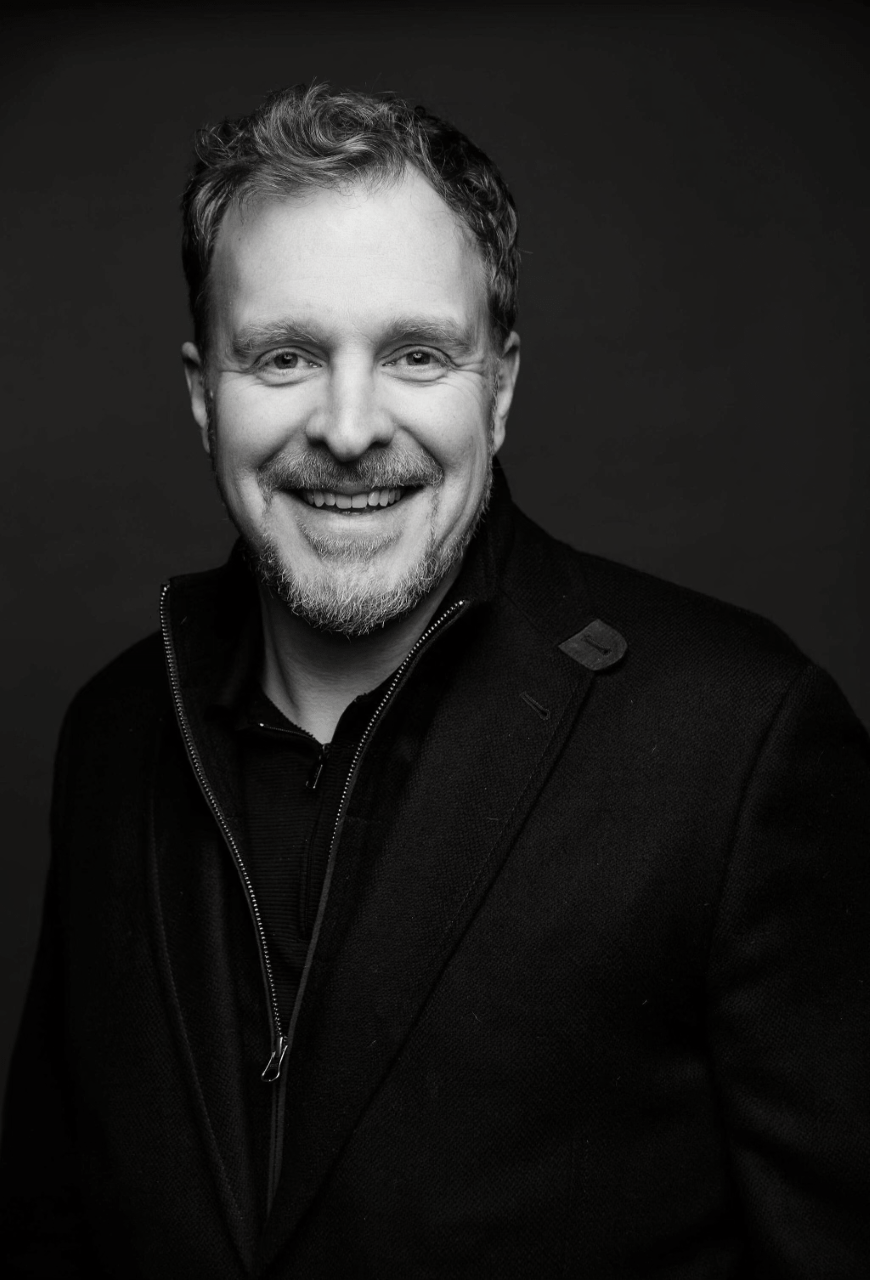
Jefferson Smith, a Portland-based, social entrepreneur and former member of the Oregon House of Representatives and mayoral candidate recently shared his thoughts and observations about the new initiative.
The following are excerpts from that conversation, edited for content and clarity.
The initiative is now passed. The considerations at this point are “How will this work?” and, importantly, “What do we do now?” Those considerations raise some critical and exciting questions.
Related stories
Below is a breakdown of the initiative, along with a set of “Challenger Questions” for each portion. Challenger Questions are named after Challenger Deep – the deepest portion of that Mariana Trench, and thus the deepest part of the world. (Get it? They’re deep questions!)
Background – The Charter Commission
In December 2020, the Charter Commission was created, a group of 20 community leaders appointed to review Portland’s founding document, a process undertaken once each decade. They spent 18 months crafting their proposal, studying alternative methods of governing, and receiving feedback from the community. They engaged with thousands of Portlanders through surveys, community listening sessions, public meetings, and written feedback.
Ultimately, the ballot measure that was voted on was approved by 17 of the 20 charter commissioners. It required the approval of 15 charter commissioners to be included on the ballot.
Early on, the Charter Commission outlined their goals of charter reform:
- Participatory and growing democracy with more voices being heard in elections
- Accessible and transparent government with Councilors who are easy to reach
- Reflective government with Councilors who look like the community they represent
- Responsive government with Councilors who understand your community needs
- Accountable government with Councilors who answer to the people
- Trustworthy government with Councilors who safeguard democracy
The City Transition Team
Implementation of all the changes approved by voters will be handled by the City Transition Team, which is based in the Office of the Chief Administrative Officer. The transition is already underway and will be completed in time for the November 2024 elections.
The City Transition Team boasts expertise in the areas of Project management; Communications and civic engagement; Diversity, equity and inclusion; Budget and Finance; Human resources; and Change management.
Responsibilities of the Transition Team include setting up the ranked-choice voting and educating Portlanders on the new system; creating the new geographic districts by working with the community; and spearheading the shift in responsibilities by elected officials.
Challenger Questions: An educated electorate is a more empowered electorate. So…
- What are the key elements of that adjustment and education plan, what is a sensible timeline for Portlanders to get used to the new system? What role do civic groups play in that transition?
Community Oversight Groups
With accountability and transparency identified as top priorities during the transition, three community oversight and advisory groups will be appointed. Their roles will be to implement the ballot measures while focusing on the city’s equity and anti-racism values.
The Independent District Commission will create the geographic districts. The Salary Commission will set the salaries for all elected officials. The Charter Transition Advisory Committee will oversee the entire process while accepting feedback and input from Portlanders.
The Independent District Commission will be made up of 13 Portland residents who are of diverse races, genders, ages, and geographies. The mayor will appoint members of the Independent District Commission, subject to confirmation by the city council. Applications for the Independent District Commission closed on December 1.
The Salary Commission will be made up of five human resource professionals with compensation experience who are of diverse races, ages, genders, and geographies. Applications are still being accepted to be a part of the Salary Commission.
Commission members cannot be elected or appointed City officials and employees, or candidates for elected city office who have filed and been qualified to the ballot by the City Elections Office.
Challenger Questions: How can we ensure that the Commission will be Independent while the Mayor is appointing each position? Is there a role for sortition / aka citizen juries in some of the oversight roles?
Transition Costs & Timeline
The transition began in November of 2022 and will be considered complete when the new city council enters into its new roles and responsibilities in January 2025. During the transition, expected costs have been pinpointed at between $4 million and $5.9 million per year.
Annual costs of the new government will be an additional $900,000 to $8.7 million per year or 0.1 to 1.4 percent of general fund discretionary resources. There is the potential for cost savings by improving service delivery to Portlanders through the new form of government.
By September 2023, the new geographic districts will be determined and adopted, and the elected officials’ salaries established. In the November 2024 election, ranked-choice voting and the new geographic districts will be in use. The mayor and half of the city council will run for four-year terms; the city auditor and the other half of the city council will run for initial two-year terms.
Challenger Questions: $900,000 to $8.7 million per year is a big range! For an apparatus as large and fundamental as city governance, we shouldn’t be shocked by costs, but we should be cognizant. So…
- How can we seize cost efficiencies from the reform system? What are the best synergies among bureaus? Could we amplify a 311 system to streamline responsiveness and make city government more user friendly for our people?
Ranked-Choice Voting
Ranked-choice voting allows voters to rank candidates in order of their preference. In Portland, votes will be tallied in rounds until a winner or winners is declared. This method eliminates the need for a primary election, allowing Portland’s elected officials to be chosen during a general election in November every two years.
Challenger Questions: The combination of district elections and ranked choice voting is a novel system in the United States. So…
- How will the political campaigns change with the new system? Will more marginal or controversial candidates be viable due to their ability to be the third choice in a district, or will the ranking mechanism ensure that every elected councilor has broad-based support?
Adjusted Roles & Responsibilities
Currently, Portland’s mayor and four city commissioners oversee two dozen bureaus and offices, but this is changing. The mayor and a city administrator hired by the mayor will manage bureaus.
The new, expanded city council will focus on developing laws and policies while engaging with constituents and working to increase community representation in all decision-making.
The mayor can only vote only to break ties on non-emergency ordinances. However, the mayor can propose laws and propose a budget for city council approval.
The city administrator will be responsible for hiring, firing, and supervising bureau directors, except for the police chief and the city attorney, who will be nominated by the mayor and approved by the city council.
Challenger Questions: Portland’s greatest strength is its human beings – the city is blessed with more compassionate, creative people than perhaps any major city in America. And one of the benefits of the old (aka current) form of government is that the bureau heads – elected city councilors – have direct voter accountability every four years; under the old/current system, voters can vote out bureau heads. That has meant that voters have direct and meaningful access to bureau power; city councilors take lots of meetings and talk to lots of voters. Unelected bureaucrats have less direct accountability to voters. The best government staffers often have their next job in another town entirely. So…
- How can we build / rebuild community engagement with city power in the context of the new system? How can voters feel empowered and directly connected to the apparatus of city government – not just with policy and desires, but with execution and results?
Geographic Districts
Currently, four city commissioners are elected from anywhere within Portland, to represent the entire city. In the next election, three city councilors will be elected from each of four new geographic districts, allowing all parts of the city to be represented in government.
The four districts will be established based on certain criteria that were approved by voters:
- Contiguous, compact, use existing geographic or political boundaries
- Connected by transportation links
- Equal population
- Don’t divide communities of common interest
- Don’t favor any political party or candidate
- Don’t dilute the voting strength of any language or ethnic minority group
Challenger Questions: Moving away from citywide elected leaders could yield a growing level of geographic territorialism. Whereas citywide commissioners have had voters in every pocket of the city, and a direct duty to the whale city, there is a risk district-based councilors could pound the table for their pockets of the city. So…
- How can we foster a commitment to “One Portland”? Should future reforms include one or more at-large seats on the council?
Charter Reform
In their efforts to make Portland’s government more accountable, effective, and representative, constituents have spoken through big changes.
Challenger Questions: How should we evaluate the new system? What are relevant metrics?
Moving forward

With community goals of expanding access to housing, making the community safer, improving economic security, and responding to the threat of climate change, we all have a lot of work to do to help our city move in the right direction.
We can take steps by diving into some of the challenging questions.
Many thanks to Jefferson Smith for his time and insight.
Comments

Powered by RoundtableAn AI/DeFi-powered Enterprise Media Operating System. Learn more at Roundtable.io.© Roundtable 2026. By using this site you agree to the Terms of Use and Privacy Policy