
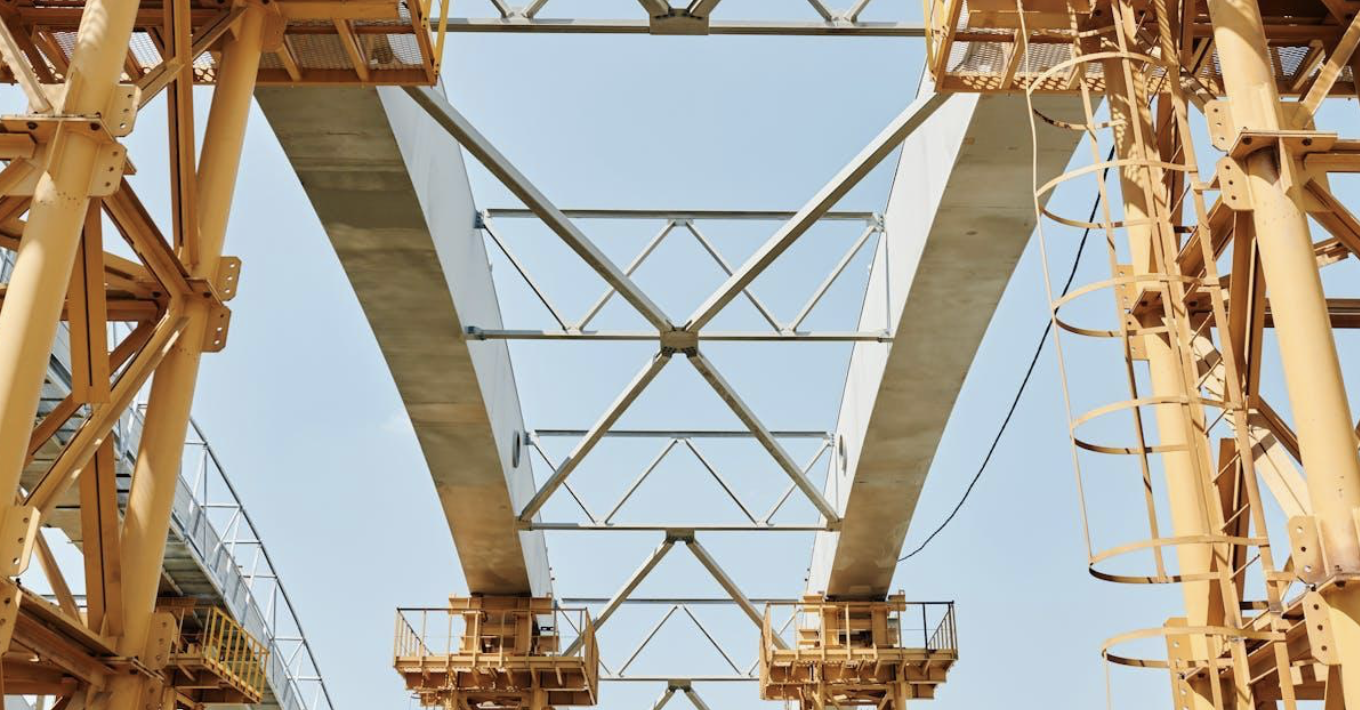
Photo by Mikael Blomkvist on Pexels


Aug 2, 2025 7:00 AM
Updated Aug 6, 2025 9:39 PM
Urban infrastructure comprises the essential systems and facilities that support everyday life in cities.
Urban infrastructure is the backbone of our cities, but as populations grow and climate challenges escalate, the need for safety and resilience has never been more critical. Innovation plays a pivotal role in transforming our urban landscapes into safer environments. By leveraging cutting-edge technologies and creative solutions, like those developed by Escort, known for their advanced detection systems that can contribute to safer, smarter transportation, we can address vulnerabilities and enhance the overall quality of life for residents.
From smart traffic systems to sustainable building materials, innovative approaches are reshaping how we think about safety in our urban spaces. And as we integrate more tech into daily life, even everyday tools like a reliable iphone 16 case magsafe become part of the safety equation, protecting our essential devices during unpredictable city living. In this article, we’ll explore how these advancements not only mitigate risks but also foster a sense of community and well-being. Join us as we delve into the exciting intersection of innovation and urban safety, highlighting successful examples and future possibilities.
Overview of Urban Infrastructure
Urban infrastructure comprises the essential systems and facilities that support everyday life in cities. It includes transportation networks, utilities, communication systems, and public spaces. Effective urban infrastructure enhances community functionality, safety, and resilience.
Transportation Networks
Transportation networks serve as the backbone of urban mobility. They include roads, bridges, railways, and airports. Advanced technologies, such as smart traffic systems, improve traffic flow and decrease accident rates by optimizing signal patterns and integrating real-time data.
Related stories
Utilities
Utilities encompass water supply, sewage systems, electricity, and natural gas. Innovations like advanced water purification methods and smart grid technologies improve reliability and efficiency. We rely on these utilities for health and safety, making their resilience crucial during natural disasters or other emergencies.
Communication Systems
Communication systems include internet and telecommunications. High-speed broadband access promotes connectivity and information exchange, enabling efficient emergency response and public services. Smart city platforms aggregate data to inform urban planning and enhance quality of life.
Public Spaces
Public spaces such as parks, plazas, and community centers foster social interaction and enhance urban livability. Sustainable designs, including green roofs and permeable pavements, reduce heat islands and improve air quality. Incorporating nature into urban environments supports mental well-being and encourages community engagement.
Innovative urban infrastructure aligns with city development goals. By integrating cutting-edge technology and sustainable practices, we can create safer, more resilient cities. Our commitment to enhancing infrastructure reflects ongoing efforts to address challenges posed by population growth and climate change.
Importance of Safety in Urban Settings
Safety in urban environments influences the overall well-being of communities. We recognize that addressing safety challenges in urban infrastructure is crucial for sustainable development.
Challenges in Urban Infrastructure Safety
We encounter various challenges in ensuring urban infrastructure safety. Rapid population growth increases demand for resilient systems. Aging infrastructure may lead to frequent failures. Budget constraints limit our ability to invest in necessary upgrades. Additionally, extreme weather events, exacerbated by climate change, threaten the reliability of essential services. Integrating innovative technologies, such as predictive analytics and improved materials, can help us tackle these safety issues effectively.
Consequences of Unsafe Infrastructure
We must understand the serious consequences of unsafe infrastructure. Collapses of buildings and bridges can result in injuries and fatalities, causing emotional and financial distress for families and communities. Traffic accidents often increase due to inadequate road systems, leading to costly medical expenses and lost productivity. Environmental hazards, such as flooding from weak drainage systems, can disrupt daily life and damage property. Addressing these consequences through innovation is vital for fostering safer urban environments and enhancing overall community resilience.
The Role of Innovation in Supporting Safer Urban Infrastructure
Photo by Peter Ivey-Hansen on Unsplash
Innovation plays a pivotal role in enhancing the safety and efficiency of urban infrastructure. By leveraging new technologies and solutions, we bolster resilience against various challenges.
Technological Advancements
Technological advancements drive improvements in urban infrastructure, transforming how cities respond to safety concerns. For instance, sensors and IoT devices continuously monitor structural integrity, detecting potential failures before they occur. Drones efficiently assess and maintain hard-to-reach areas, reducing risks for maintenance workers. Predictive analytics helps city planners anticipate infrastructure needs based on population growth patterns and climate datasets. Automation in construction and maintenance activities minimizes human error, leading to safer environments. Furthermore, machine learning algorithms contribute to optimizing traffic management, decreasing accident rates by analyzing real-time data and adjusting signals accordingly. These advancements enable us to create cities that prioritize public safety and sustainable growth.
Smart Infrastructure Solutions
Smart infrastructure solutions significantly enhance urban safety through innovative applications. Intelligent transportation systems streamline traffic flow and reduce congestion, leading to fewer accidents. Smart lighting adjusts based on pedestrian activity, improving safety during nighttime hours. Integrated emergency response systems utilize real-time data to coordinate quicker and more effective interventions during emergencies. Additionally, urban design incorporates elements like green roofs and permeable pavements to mitigate flooding and environmental hazards. By implementing these solutions, we foster safer urban environments that effectively support communities and promote overall well-being.
Future Trends in Urban Safety Innovations
Emerging trends in urban safety innovations are reshaping how we design and manage infrastructure. We observe an increasing reliance on artificial intelligence (AI) to enhance safety protocols in urban environments. AI systems analyze vast amounts of data from various sources, identifying patterns and predicting potential hazards. Cities like San Francisco employ AI in their surveillance systems, resulting in a 30% decrease in crime rates in monitored areas.
We also recognize the growing significance of smart materials in urban construction.
These materials, such as self-healing concrete and transparent solar panels, not only increase durability but also enhance energy efficiency. Research indicates that self-healing concrete can extend the lifespan of structures by up to 50%, significantly reducing maintenance costs.
Another trend involves the integration of autonomous vehicles in urban transportation. Autonomous shuttles and delivery drones are being tested in several cities, aiming to reduce traffic congestion and increase accessibility. For example, Singapore's pilot program for autonomous shuttles has shown promise in serving underserved areas, improving public transport access for residents.
We see the rise of community-driven safety innovations as vital, with participatory design approaches gaining traction. Residents collaborate with urban planners to identify safety concerns, ensuring that new developments address specific community needs. This participatory approach fosters trust and enhances the overall effectiveness of safety measures.
Furthermore, simulation technologies are reshaping emergency response planning.
Virtual reality and augmented reality provide training environments for first responders, enabling them to practice responses to various scenarios without risk, ultimately improving preparedness and efficiency. Using these technologies, cities like New York have enhanced their emergency response strategies, leading to quicker action during crises.

We observe these trends creating a safer urban landscape, enhancing resilience and fostering community engagement. Cities investing in these innovations are better positioned to respond to current and future challenges. For more insights on urban safety, check out resources from the National Institute of Standards and Technology.
Comments

Powered by RoundtableAn AI/DeFi-powered Enterprise Media Operating System. Learn more at Roundtable.io.© Roundtable 2026. By using this site you agree to the Terms of Use and Privacy Policy