
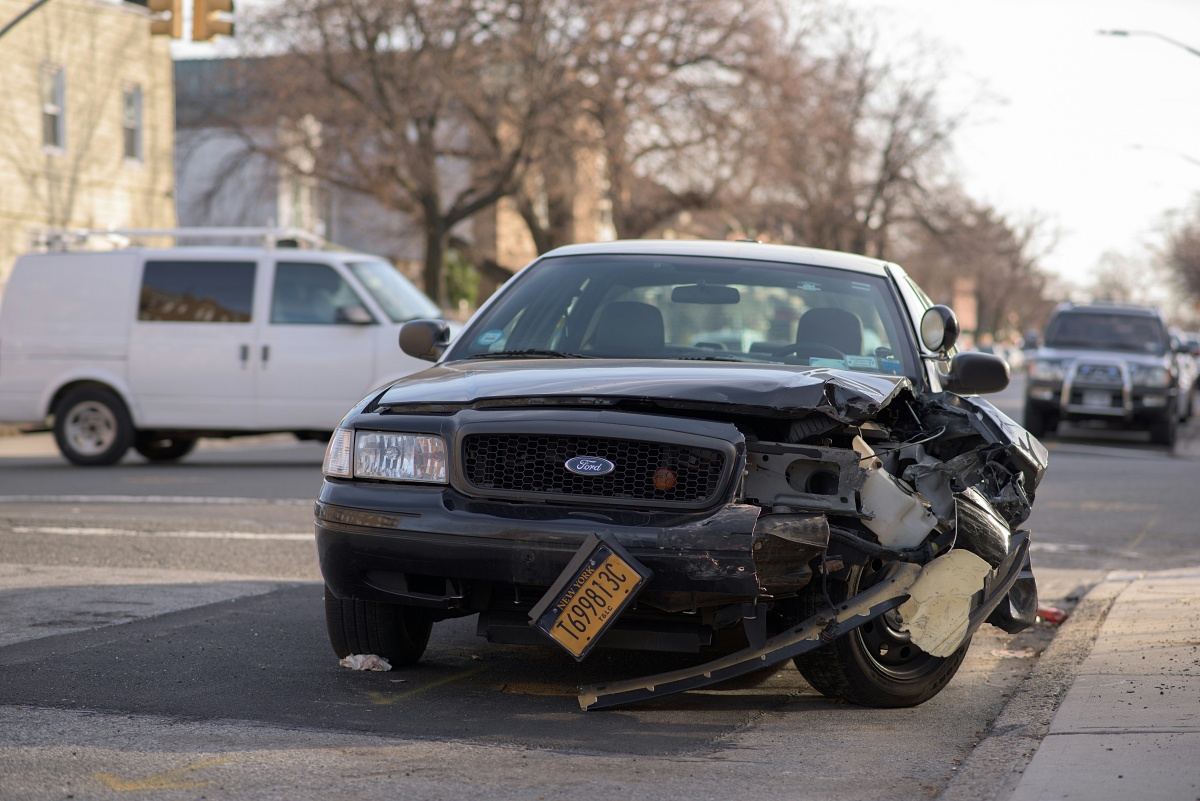
Photo by Michael Jin on Unsplash


Injured as a Passenger
Jul 26, 2024 7:00 AM
Updated Jul 29, 2024 8:37 PM
If the driver of the car you were a passenger in was at fault, you can file a claim against their insurance policy.
Road accidents, especially the ones that involve cars, are often very scary, especially when one is just a passenger in the vehicle.
The consequences can be shocking, and you may feel confused as to what you can do. In such situations, you need to contact a Personal Injury Legal Expert, as they can help you get maximum compensation for the damages.
Understanding Your Rights as a Passenger
As a passenger, you have specific rights that protect you in the event of an accident.
These rights entitle you to seek compensation for your injuries and losses, regardless of who was at fault. Here’s what you need to know about your rights and options:
Related stories
Fault Determination
In most car accidents, the fault is determined based on the drivers’ actions. However, as a passenger, you generally are not at fault. Your primary concern should be to recover damages for your injuries from the at-fault parties, which could be:
The Driver of the Car You Were In:
If the driver of the car you were a passenger in was at fault, you can file a claim against their insurance policy.
● The Other Driver:
If the other driver was at fault, you can file a claim against their insurance policy.
● Both Drivers:
In cases where both drivers share fault, you can file claims against both insurance policies.
Insurance Coverage
Several types of insurance coverage might be applicable to your situation:
● Personal Injury Protection (PIP):
If the vehicle you were in has PIP coverage, it can help cover your medical expenses and lost wages, regardless of who was at fault.
● Medical Payments Coverage (MedPay):
Similar to PIP, MedPay can cover medical expenses.
● Liability Coverage:
This covers damages for which the at-fault driver is legally responsible.
● Uninsured/Underinsured Motorist Coverage:
If the at-fault driver lacks sufficient insurance, this coverage can help cover your expenses.
What Steps Should You Take?
1. Safety and Health Should be Prioritized, and Medical Assistance
In the first place, you should care about your life and well-being after the accident has occurred. If you are able to move, move to a safer place out of car traffic.
The first step is to inspect your body to see if you have sustained any injuries and, after that, assess other persons who may have been involved in the accident. If anyone is badly hurt, dial the emergency number 911.
It is recommended to seek medical help even if you do not believe you have sustained any injuries.
There are some times when a person might have an injury but it is not visible and an individual cannot feel the pain at that particular time and a doctor can easily diagnose it.
Adrenaline can obscure signs; the victim may have suffered a concussion, whiplash, or internal bleeding, but there will be no signs at first.
2. Call the Police
This is because it is an official record of the accident that can be used in the future if necessary. Call the police so that they can come and make a statement about what happened.
The police report will be very useful when filing an insurance claim or seeking a personal injury case. When giving a statement, be truthful and specific, but do not guess or assume blame.
3. Gather Information
While waiting for the police to arrive, try to collect as much information as possible. This includes:
● Driver’s Information:
Names, addresses, phone numbers, driver’s license numbers, and insurance details of all drivers involved.
● Vehicle Information:
Make, model, year, and license plate numbers of the vehicles involved.
● Witness Information:
Names and contact details of any witnesses.
● Accident Details:
Take photos of the scene, including vehicle damage, skid marks, road conditions, and any relevant traffic signs or signals. These can be critical pieces of evidence later on.
4. Report the Accident to Your Insurance Company
Notify your insurance company about the accident as soon as possible. Even though you weren’t driving, your insurance policy might offer coverage that can help with your medical bills or other expenses. If your insurance company is offering less money than damages, then you should contact a car crash lawyer.
5. Document Your Injuries and Medical Treatment
Keep a detailed record of all medical treatments and expenses related to your injuries.
This includes doctor’s visits, medications, physical therapy, and any other related costs. Documenting your injuries and treatment will support your claim and help ensure you receive fair compensation.
Insurance Coverage
Several types of insurance coverage might be applicable to your situation:
● Personal Injury Protection (PIP):
If the vehicle you were in has PIP coverage, it can help cover your medical expenses and lost wages, regardless of who was at fault.
● Medical Payments Coverage (MedPay):
Similar to PIP, MedPay can cover medical expenses.
● Liability Coverage:
This covers damages for which the at-fault driver is legally responsible.
● Uninsured/Underinsured Motorist Coverage:
If the at-fault driver lacks sufficient insurance, this coverage can help cover your expenses.
Comments

Powered by RoundtableAn AI/DeFi-powered Enterprise Media Operating System. Learn more at Roundtable.io.© Roundtable 2026. By using this site you agree to the Terms of Use and Privacy Policy