
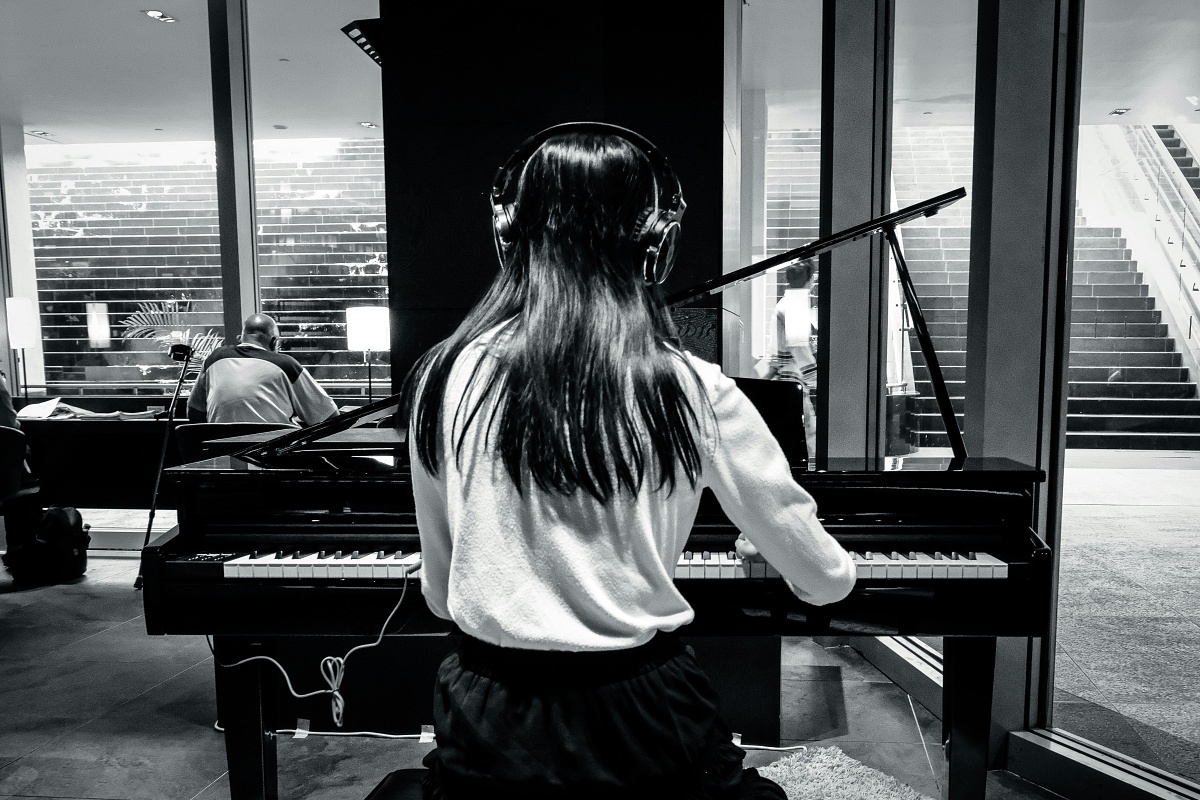
Photo by nik radzi from Unsplash


Nov 14, 2025 8:00 AM
Updated Nov 20, 2025 1:24 AM
When used thoughtfully, music can help create workplaces that feel more welcoming, inclusive, and emotionally supportive.
Music is often described as a universal language, but in many workplaces and community spaces, it is still treated as background noise. Increasingly, organizations are starting to recognize that sound plays a deeper role in how people feel, communicate, and connect with others. When used thoughtfully, music can help create workplaces that feel more welcoming, inclusive, and emotionally supportive.
This shift is not about entertainment. It is about understanding that the environments people move through every day shape their sense of belonging. Music influences mood, encourages calm, and even helps people feel more connected to the communities around them. For workplaces committed to employee wellbeing and fairness, these subtle changes matter.
The Psychology of Sound and Why It Matters
Sound affects the human nervous system in profound ways. Calming tones can steady the heart rate. Brighter, rhythmic music can increase alertness. But beyond the physical response, sound changes how people relate to one another.
A well-chosen playlist can soften the edges of a hectic office and make shared environments feel safer for everyone. This is especially important in workplaces where diverse cultures, personalities, and communication styles interact throughout the day. People often read the emotional tone of a space before they speak to others. When the sonic environment feels warm and considerate, it helps reduce social tension and encourages more open communication.
Related stories
The opposite can also be true. Loud or chaotic soundscapes can make people feel overwhelmed, closed off, or excluded. This is why some companies now evaluate their office sound design in the same way they evaluate lighting or accessibility. Sound is part of the environment, and the environment has social impact.
Music as a Tool for Inclusion
In recent years, businesses have started to think more intentionally about what plays through their speakers. Inclusive playlists are becoming a meaningful way to acknowledge the diversity of the people who share a space.
Some workplaces highlight a blend of genres from different cultures. Others use curated mixes built around soothing, neutral tones that reduce stress levels during busy hours. There are also organizations that rotate thematic playlists aligned with cultural observances or community celebrations, allowing employees to feel seen without forcing spotlight moments or performative gestures.
Community centers often use music to set a tone of welcome. Libraries and coworking spaces sometimes opt for gentle ambient tracks that help visitors find their focus without feeling isolated. Fitness centers serving diverse neighborhoods are shifting away from single-genre music programming, choosing soundtracks that respect a broader range of tastes.
Across these examples, the common thread is intentionality. When music is selected with care, it becomes a small but powerful sign that the organization is paying attention to how people feel in the space.
Building Emotional Connection in Shared Spaces
Music can also support social comfort and a sense of community. In workplaces, employees often gather in shared areas like lobbies, lounges, and break rooms. These are moments where a sense of belonging can either grow or weaken.
A calm, steady soundscape can make shared spaces feel less intimidating for new employees who are still finding their footing. Soft background music in break rooms can encourage casual conversations. In open offices, gentle instrumental tracks can help reduce distractions without adding pressure or artificial cheer.
Increasingly, organizations are choosing professionally curated playlists designed for work environments. Many are turning to inclusive background music for workplaces to help people feel comfortable and connected while avoiding the pitfalls of random or inconsistent playlists. This approach prioritizes music that supports focus, wellbeing, and social ease.
The goal is not to entertain the entire office. The goal is to create an atmosphere that feels thoughtful and supportive, quietly reinforcing the idea that employees deserve a space where they can work without unnecessary stress.
The Ethical Side of Workplace Sound
A conversation about music in the workplace is incomplete without addressing ethics. Many businesses still rely on consumer streaming platforms even though these services are not licensed for commercial use. Beyond the legal risk, consumer platforms often pay artists far less for public playback.
Organizations that value fairness and responsible operation are choosing licensed services that compensate creators appropriately. Ethical licensing aligns with broader workplace values such as fair labor practices, respect for creative work, and transparent operations.
Licensed platforms also allow companies to avoid exploitative streaming practices associated with some consumer apps. They provide access to music that is cleared for public spaces, offer scheduling tools, and often include curated playlists developed specifically for workplace environments. The result is a system that supports both employees and the artists behind the music.
Designing a Healthier Sound Environment
Creating an inclusive soundscape does not require a major overhaul. It simply requires intention. Organizations can start by asking:
• What emotional tone do we want people to feel in this space?
• Are there moments when the environment feels tense or overstimulating?
• Does the current music reflect the diversity of the people who work here?
• Are we using platforms that support artists and comply with licensing laws?
Even small adjustments can have a meaningful impact. Lower volume levels during busy hours, switching to calmer playlists in the morning, or introducing culturally diverse mixes during lunch can help reshape the workplace environment in gentle but important ways.
Music as a Form of Workplace Care
At its core, using music thoughtfully is simply another form of care. It acknowledges that people experience the workplace not just intellectually, but emotionally. They notice how a space feels, even if they cannot always describe why.
When organizations take the time to consider their sound environment, they send a clear message. They are saying that comfort matters. That mood matters. That people’s experiences are worth paying attention to.

In a world where many workers feel overwhelmed, unheard, or disconnected, these signals can be powerful. Music cannot solve systemic workplace issues, but it can support a culture that values empathy and inclusion. And in spaces where people spend much of their lives, that matters.
Comments

Powered by RoundtableAn AI/DeFi-powered Enterprise Media Operating System. Learn more at Roundtable.io.© Roundtable 2026. By using this site you agree to the Terms of Use and Privacy Policy