


Aug 4, 2025 7:00 AM
Updated Aug 8, 2025 12:38 AM
From height-adjustable checkout counters to tactile product displays, discover how small design changes are making big impacts on community connections.
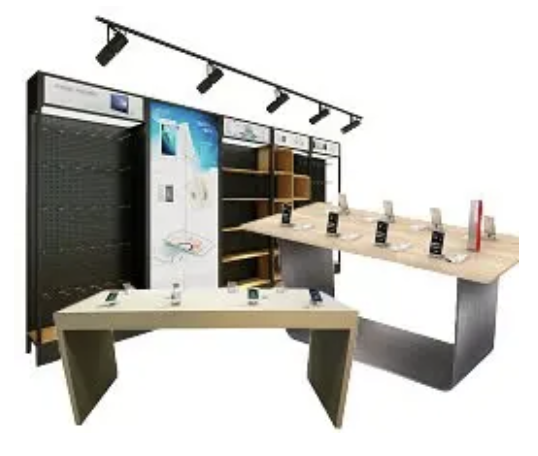
The heartbeat of any neighborhood lies in its local shops, but for too long, retail spaces have been designed with a one-size-fits-all approach. Forward-thinking retailers are now revolutionizing community shopping experiences through inclusive retail displays and retail kiosks that welcome everyone. These innovative designs consider diverse abilities, heights, ages, and cultural backgrounds, transforming ordinary stores into community hubs where all customers feel valued.
In this exploration of inclusive retail design, we'll examine how thoughtful retail kiosks and adaptable retail displays are breaking down barriers in neighborhood shops across America. From height-adjustable checkout counters to tactile product displays, discover how small design changes are making big impacts on community connections.
The Inclusive Retail Revolution Comes Main Street
Traditional store layouts often unintentionally exclude various groups:
Related stories
· Parents with strollers navigating narrow aisles
· Elderly shoppers straining to reach high shelves
· Wheelchair users facing inaccessible checkout counters
· Neurodiverse individuals overwhelmed by cluttered displays
Progressive retailers are solving these challenges through universal design principles that benefit all customers while maintaining aesthetic appeal.
Adaptive Retail Kiosks: Accessibility Meets Innovation
Modern retail kiosks are leading the charge in inclusive design:
The Community Pantry (Portland, OR)
· Voice-activated kiosk with adjustable screen height (28"-48")
· Braille keypad option alongside touchscreen
· Multilingual interface covering 12 common languages
Books for All (Chicago, IL)
· Curved kiosk design allowing approach from any angle
· Screen dimming options for light sensitivity
· Audio headphone jacks for private instructions
These retail kiosks demonstrate how technology can create more equitable shopping experiences when designed with intention.
Thoughtful Retail Displays That Welcome Everyone
Inclusive retail displays consider the full spectrum of human diversity:
Height-Variable Shelving Systems
· Motorized adjustable shelves in grocery stores
· Lowered display tables for wheelchair access
· Angled product presentations for better visibility
Multi-Sensory Merchandising
· Tactile sample stations in fabric stores
· Scent pods near coffee and tea displays
· Audio description buttons near product information
Cultural Considerations
· Directional signage in multiple languages
· Culturally familiar product groupings
· Respectful religious display accommodations
The Business Case for Inclusive Design
Beyond being the right thing to do, inclusive fixtures deliver measurable benefits:
· 23% wider customer base by serving previously excluded groups
· 18% increase in average transaction value from comfortable shoppers
· 41% higher customer satisfaction scores in redesigned stores
· Reduced staff assistance needs as customers navigate independently
Overcoming Implementation Challenges
Transitioning to inclusive design presents hurdles retailers are creatively solving:
Space Limitations
· Solution: Rotating display modules that serve multiple needs
· Example: A display that converts from standing to seated height
Budget Concerns
· Solution: Phased implementation starting with highest-impact changes
· Example: Prioritizing checkout area accessibility first
Aesthetic Worries
· Solution: Working with designers who specialize in attractive accessibility
· Example: Custom wooden ramp displays that enhance store character
Community Impact Stories
Real-world examples show the power of inclusive retail:
Mercado Familiar (San Antonio, TX)
· Implemented bilingual, icon-based navigation
· Sales increased 31% among non-English speakers
· Became a community gathering space
Grandma's Attic (Seattle, WA)
· Added seated shopping carts and magnifying glass stations
· Saw 40% more senior shoppers weekly
· Reduced product damage from better visibility
Playful Threads (Minneapolis, MN)
· Created sensory-friendly shopping hours
· Installed quiet corners with stress-relief items
· Developed loyal following among neurodiverse families
The Future of Inclusive Retail Spaces
Emerging innovations promise even more welcoming stores:
· Smart shelves that adjust height automatically as shoppers approach
· Augmented reality displays offering customizable viewing experiences
· Haptic feedback kiosks for shoppers with visual impairments
· Community co-design programs involving local residents in store planning
How Every Retailer Can Get Started
Inclusive design doesn't require complete overhauls:
1. Audit your space - Walk through as different user types
2. Start small - Implement 3-5 high-impact changes
3. Train staff - Teach employees about inclusive service
4. Gather feedback - Survey customers about their experience
5. Celebrate progress - Share your accessibility journey
Conclusion: Retail as Community Belonging
Inclusive retail displays and retail kiosks do more than comply with standards—they send a powerful message that everyone belongs. By reimagining store design through the lens of human diversity, neighborhood retailers can:
· Strengthen community ties
· Unlock new customer markets
· Enhance brand reputation
· Create spaces that reflect true community values

The shops embracing this philosophy are finding that good design is measured not just in sales, but in smiles, comfort, and the quiet joy of being seen and accommodated.
Comments

Powered by RoundtableAn AI/DeFi-powered Enterprise Media Operating System. Learn more at Roundtable.io.© Roundtable 2026. By using this site you agree to the Terms of Use and Privacy Policy