
Sydney Water Tanks


In-Ground Water Tanks
May 14, 2024 7:00 AM
Updated Oct 30, 2024 3:29 AM
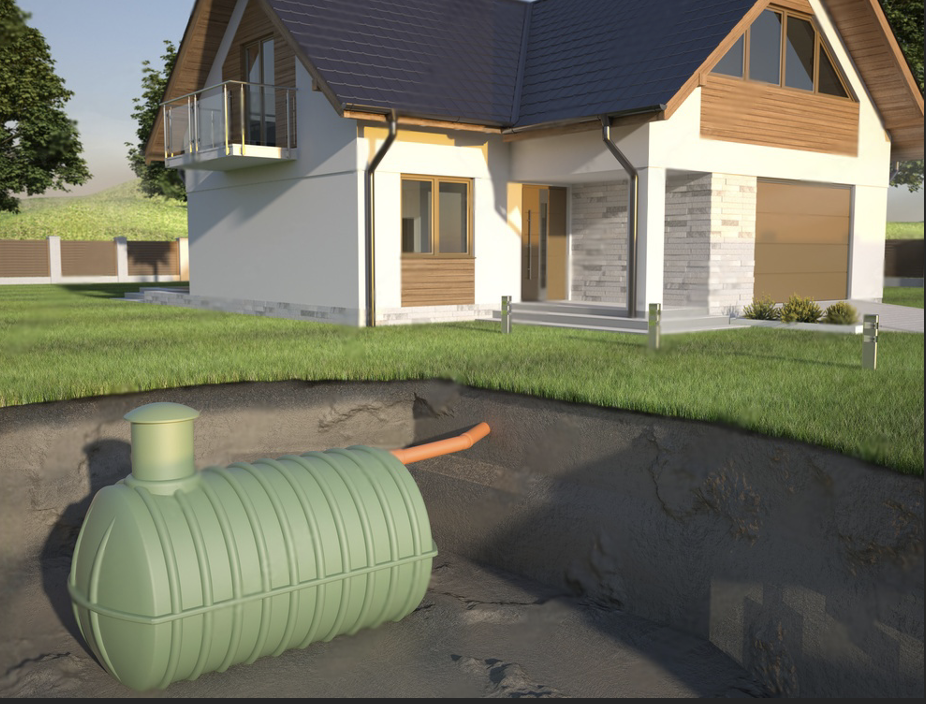
In-ground water tanks are underground tanks that are planted into or sunken into the ground.
In the era of environmental awareness, water storage is a matter of great concern, particularly with increasing numbers of people, reduced resources, and climate change disrupting the natural water cycle. Currently, in-ground water tanks are a better option as they are multi-functional, space-saving and eco-friendly. They provide a synergistic combination of functionality and environmental conservation, efficiently dealing with the storage problem. This article elaborates on subsurface water tanks as an alternative to surface tanks.
In this assessment, we want to shed light on the road to sustainable water management, which can ultimately empower the people and their communities to adopt progressive solutions that guarantee a safe water source for future generations. To learn about in-ground water tanks and their applications, click this link.
Understanding In-Ground Water Tanks
In-ground water tanks are underground tanks that are planted into or sunken into the ground. Tanks of concrete, polyethene or fibreglass, designed for use under external pressures, are also used to ensure water quality. Their underground location ensures the utilisation of every inch of surface area. It protects against temperature changes that can otherwise lead to freezing or overheating.
Benefits of In-Ground Water Tanks
An inherent benefit of in-ground water tanks lies in their capacity to preserve space. Unlike above-ground alternatives, which can occupy valuable real estate, these tanks seamlessly integrate into the landscape, preserving aesthetics and functionality. Additionally, by harnessing the insulating properties of soil, in-ground tanks maintain water temperature, reducing energy consumption associated with heating or cooling.
Related stories
Moreover, in-ground water tanks mitigate the risk of water contamination, shielding the contents from sunlight and external pollutants; this ensures optimal water quality, which is essential for domestic use, agriculture, and industrial applications. Furthermore, by harnessing gravity for distribution, these tanks eliminate the need for additional pumping mechanisms, minimising operational costs and energy dependency.
In-ground water tanks are essential for water storage, and selecting durable metal pressure vessels ensures long-lasting performance and thanks to its superior strength and safety they make it an ideal option for in-ground water storage solutions.
Installation Process
Installing an in-ground water tank requires careful planning and expertise. The procedure usually commences with the site evaluation and the excavation to ensure the availability of the appropriate soil type and accessibility. The tank is placed in its designated location and firmly anchored to prevent movement or shifting. Correct sealing and insulation are imperative to stop water seepage and keep the temperature within the required limit.
Additionally, installing inlet and outlet pipes is beneficial for water circulation and distribution, which improves efficiency and convenience. Working with well-trained professionals ensures compliance with regulatory norms and industry standards, leading to the best performance and prolonged lifespan.
Key Considerations
It is crucial to consider several things before putting an in-ground water reservoir in place. Site choice is critical and includes soil composition, drainage patterns, and the closeness to utilities. Appropriate space from structures and property lines is essential to avoid interference and provide maintenance access.
Additionally, assessing water requirements and usage patterns enables optimal tank sizing and capacity determination. Whether for residential, commercial, or agricultural use, aligning storage capacity with demand ensures uninterrupted supply and resource optimisation.
Conclusion

In summary, in-ground tanks have many advantages, such as saving space, preserving water quality, etc. Thanks to the innovative design and installation technologies, these tanks work as sustainable water tanks. With water scarcity and environment conservation as our main challenges, adopting these technologies becomes necessary. In-ground water tanks are not just used for storage; they show that you are into sustainability and conservation of resources, which are the road to resilience and water security.
Comments

Powered by RoundtableAn AI/DeFi-powered Enterprise Media Operating System. Learn more at Roundtable.io.© Roundtable 2026. By using this site you agree to the Terms of Use and Privacy Policy