


Importance of Fall Protection
Mar 7, 2024 8:00 AM
Updated Mar 10, 2024 2:38 AM
Discover why every worker needs a safety harness! Learn about the importance of fall protection and how a safety harness can save lives.
The Importance of Fall Protection: Why Every Worker Needs a Safety Harness
'Fall' can have severe consequences. They go beyond seasonal changes.
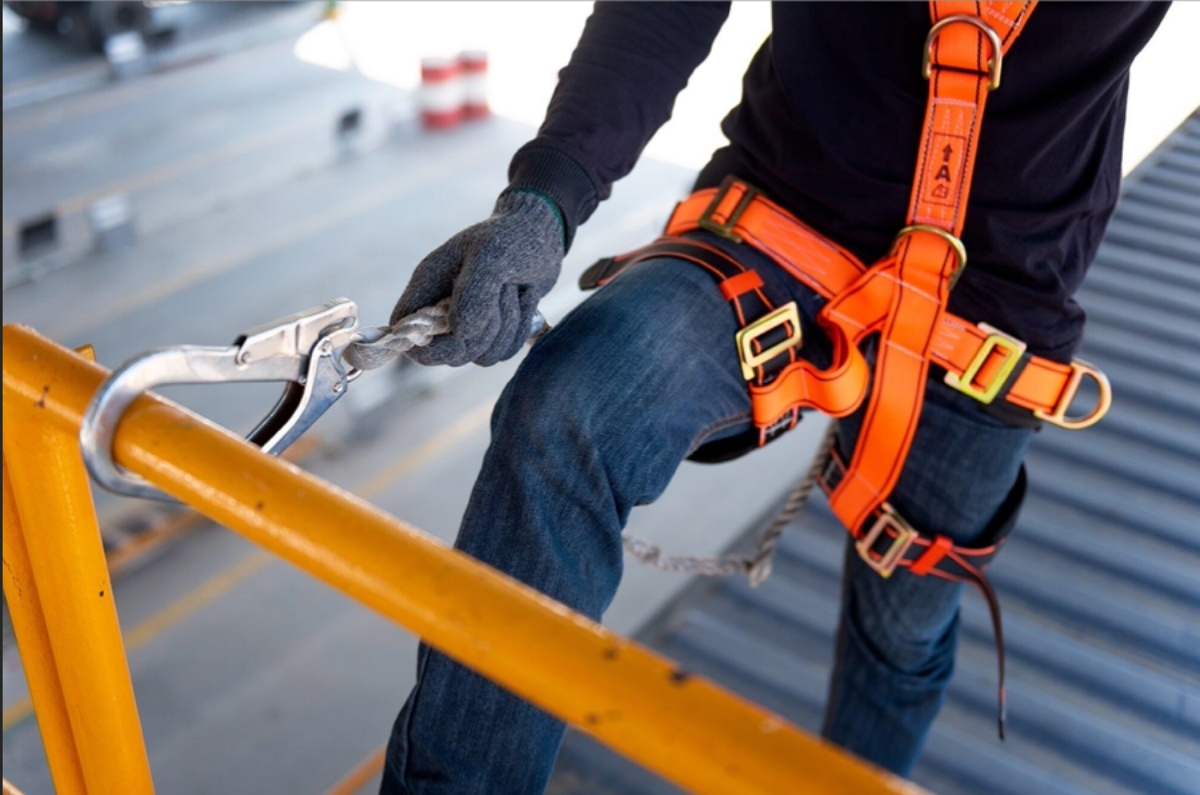
So, ensuring a safety harness is securely fastened is not just a recommended practice. It's an imperative safety measure. It can safeguard against risks and hazards.
We're here to break down why, in the context of occupational safety, the humble safety harness should be as common as any tool on a worksite. Read on to learn more.
Related stories
Fall Protection Is a Regulatory Necessity
In every industry, there are strict legal compliance and regulations. They cover the use of fall protection equipment.
Workers perform tasks at various heights in construction and maintenance jobs. Employers must ensure worker safety.
OSHA standards need fall protection at elevations of four feet in general industry workplaces. They need it at five feet in shipyards, six feet in construction, and eight feet in long shoring. Compliance is not just a suggestion; it's the law.
Saving Lives Is Not an Overstatement
According to the National Institute for Occupational Safety and Health (NIOSH), falls cause most worker deaths in construction. They account for over a third of all such deaths.
In a fall, the speed of descent, the distance fallen, and the time spent falling are factors. They determine if fall arrest equipment stops the worker from hitting the ground.
Wearing a safety harness can greatly cut the risk of falls. It just needs a compatible connecting device and anchorage.
Economic Benefits Are Clear and Compelling
The cost of providing and implementing fall protection systems pales in comparison to the potential costs of injuries, fatalities, and associated legal actions. A worker who survives a fall may require extensive medical care, incur long-term disability costs, and, due to injury, no longer be able to return to work.
The financial repercussions can impact the worker, the employer, and even third parties involved with the project. It stands to reason that investing in fall protection is not just an expenditure; it's a discernible long-term saving.
It's an Empowerment Tool for Employees
Beyond compliance and cost, the value of a safety harness is about empowerment. Equipping workers with the necessary tools to protect themselves reinforces a sense of value and care from their employer. It also fosters a culture of safety awareness and proactivity, transforming personal protective equipment (PPE) from a mandatory burden to a symbol of mutual commitment to every employee's well-being.
The Future of Work Demands It
The workplace is evolving, and the roles individuals perform are becoming more varied and specialized. With this evolution comes an increased likelihood of workers encountering height hazards. A safety harness isn't just about the present; it's a future-focused investment.
Ensuring it's an integral part of every employee's gear isn't just about the work at hand; it's about safeguarding the workforce for whatever heights their careers may scale.
Understand Why Every Worker Needs a Safety Harness
Adopting safety harnesses workplace-wide isn't optional; it's essential. Every reason points to their critical role in preventing falls, saving lives, and avoiding economic loss. They empower workers and prepare businesses for an evolving future.

Simply put, safety harnesses are more than just equipment - they are lifelines. Ensuring every worker is equipped with one is not only a regulatory requirement but a fundamental aspect of responsible business practice.
Explore more insights and advice on our blog. Equip yourself with knowledge across a variety of topics.
Comments

Powered by RoundtableAn AI/DeFi-powered Enterprise Media Operating System. Learn more at Roundtable.io.© Roundtable 2026. By using this site you agree to the Terms of Use and Privacy Policy