


Impact of Weather Conditions
Jan 7, 2025 8:00 AM
Updated Jan 10, 2025 1:00 AM
Rain, snow, fog, and wind can all create hazardous situations that demand your attention and caution.
Weather conditions play an essential role in car accidents and overall safety. Rain increases the risk of hydroplaning due to reduced tire contact with the road. Snow and ice present additional challenges, as black ice can form unnoticed, making specialized tires vital for traction. In fog, visibility drops considerably, requiring slower speeds and cautious driving. Strong winds can affect vehicle stability, especially for taller cars. To navigate these hazards effectively, you need to be aware of weather conditions and maintain your vehicle. For more detailed information and tips, view page resources dedicated to driving safety. Understanding these factors can greatly enhance your safety on the road, and there's much more to explore.
Rain and Driving Hazards
Rain creates a unique set of driving hazards that can profoundly impact your safety on the road. One of the most important concerns is hydroplaning, which occurs when your tires lose contact with the road due to a layer of water. This loss of traction can happen even at relatively low speeds, leading to a dangerous situation where you may lose control of your vehicle.
To mitigate hydroplaning risks, it's essential to make sure your tires are in good condition. Regular tire maintenance plays a critical role in maintaining peak traction. Check the tread depth regularly; worn tires are more susceptible to hydroplaning. The recommended tread depth for safe driving in wet conditions is at least 2/32 of an inch.
Additionally, verify your tires are properly inflated, as incorrect pressure can affect handling and increase the likelihood of hydroplaning. As rain accumulates on the road, it can also create slick surfaces, especially during the initial downpour when oils rise to the surface.
Related stories
Snow and Ice Challenges
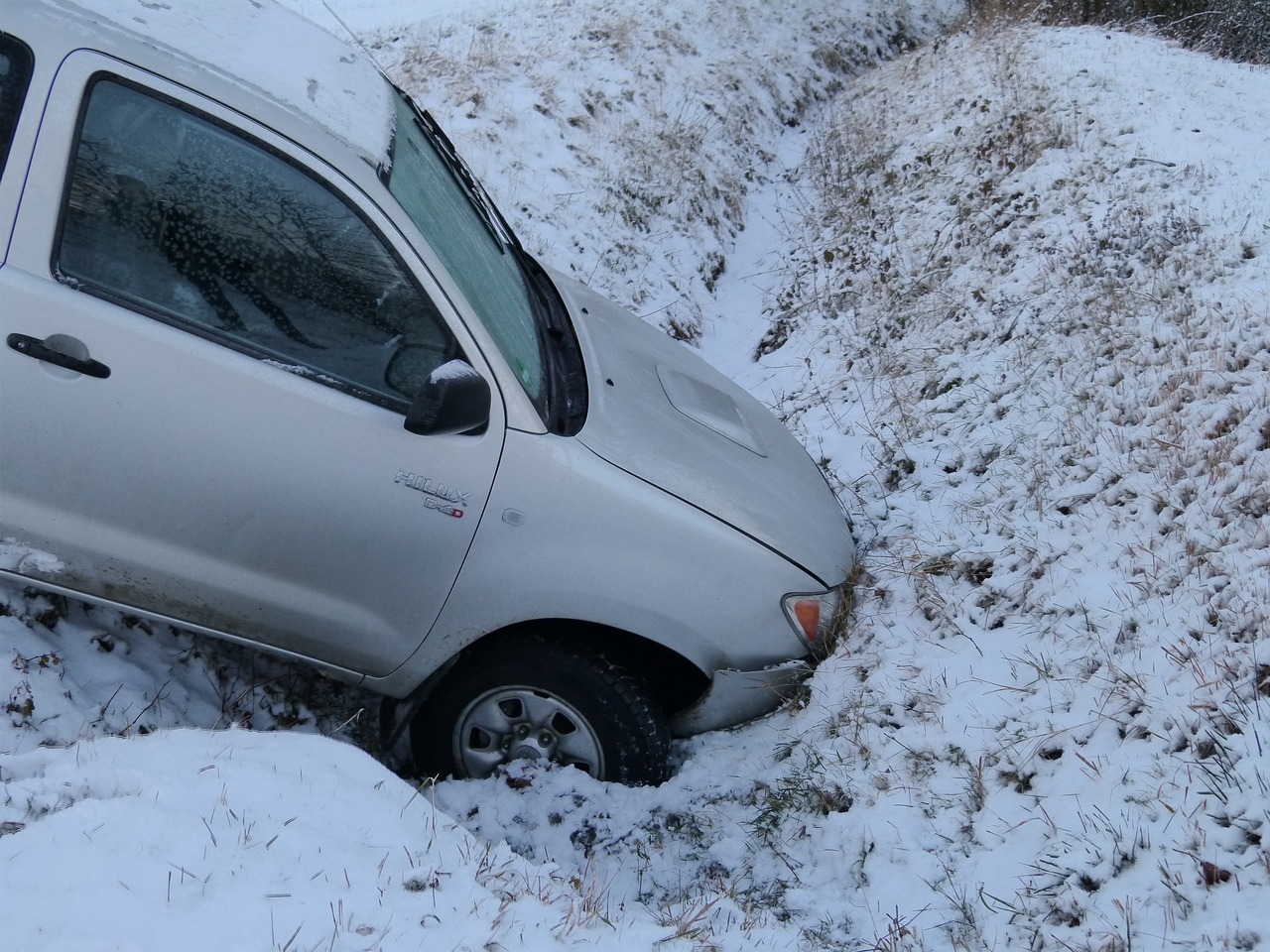
Driving in snow and ice presents frequent challenges that can severely compromise your safety on the road. When you encounter these conditions, you're not just facing reduced traction; you're also contending with unpredictable surfaces that can lead to accidents. One of the most treacherous elements is black ice, which forms silently and blends in with the road. It can catch even the most cautious drivers off guard, leading to sudden loss of control.
Using snow tires becomes vital during these conditions. Unlike regular tires, snow tires feature specialized tread patterns and rubber compounds designed to enhance grip on icy surfaces. They can greatly reduce your risk of skidding and improve your stopping distance, allowing you to navigate through snow and ice more safely.
In addition, maintaining a safe following distance is essential. The stopping distance on slippery roads can increase dramatically, so you'll need to adjust your speed and braking habits accordingly.
Fog and Reduced Visibility
As winter weather brings challenges like snow and ice, fog can emerge as another important hazard affecting road safety. When you encounter fog, reduced visibility can quickly become a dangerous reality. It's vital to understand effective fog driving techniques to navigate safely.
First, slow down and increase your following distance. This gives you more time to react to hazards that may suddenly appear.
Using your low beam headlights is essential. High beams reflect off the fog, further reducing your visibility. Additionally, consider employing visibility enhancement tools like fog lights, which are specifically designed to illuminate the road without causing glare.
If the fog becomes too thick, pull over to a safe area and wait for conditions to improve.
Always remember to keep your windshield clean, as dirt and grime can impede visibility. Utilizing your windshield wipers and defrosters can also help maintain a clear view.
Fog can create unpredictable driving conditions, so staying alert and taking proactive measures is key. By mastering these fog driving techniques and using the right visibility enhancement tools, you can greatly reduce your risk of accidents in foggy conditions.
Wind Effects on Vehicles
Wind can greatly impact vehicle stability and control, posing challenges for drivers on the road. When you're traveling at high speeds, strong winds can push against your vehicle, altering its trajectory. This is particularly true when you're maneuvering areas with open spaces or when driving alongside large vehicles like trucks, which can create turbulent air.
Effective crosswind control is essential, especially in windy conditions. The force from the wind can cause your vehicle to sway or drift, making it harder to maintain your lane. SUVs and high-profile vehicles are especially vulnerable due to their larger surface areas, which can catch the wind more easily than sedans.
To guarantee vehicle stability, you should remain aware of your surroundings and adjust your steering accordingly. If you notice strong gusts, it's wise to reduce your speed.
Pay attention to weather reports and be cautious when driving on bridges or elevated roads, as wind conditions can be more severe in these areas. Remember, your ability to respond to wind effects directly influences your safety on the road. Stay alert and proactive to maneuver safely through challenging wind conditions.
Preventative Safety Measures
Guaranteeing safety on the road during adverse weather conditions requires proactive measures that every driver should adopt.
First and foremost, enhancing driver awareness is essential. You need to stay informed about current weather conditions and adjust your driving behavior accordingly. This means reducing speed, increasing following distances, and anticipating sudden changes in road conditions.
Equally important is vehicle maintenance. Regularly checking your tires, brakes, and wipers guarantees your vehicle performs at its best in challenging conditions. Worn tires can compromise grip on wet or icy roads, while ineffective wipers can severely reduce visibility during rain or snow.
Make sure your headlights and taillights are functioning correctly to increase visibility for yourself and others. Additionally, consider equipping your vehicle with winter tires if you live in an area prone to snow and ice. These tires provide better traction and can greatly enhance safety.
You should also confirm your vehicle's fluids are topped off and that your battery is in good condition, particularly in colder months. By focusing on driver awareness and vehicle maintenance, you can greatly decrease the likelihood of accidents and improve overall road safety during adverse weather conditions.
Frequently Asked Questions
How Do Weather Conditions Affect Driver Behavior?
Weather conditions considerably influence driver behavior. Poor road visibility can lead to slower speeds, while reduced visibility might delay driver reaction times. These factors can ultimately alter decision-making and heighten the risks on the road.
What Are the Most Common Types of Weather-Related Accidents?
The most common types of weather-related accidents occur during rainy conditions and on icy roads. You'll often see hydroplaning in rain and collisions due to loss of traction on ice, leading to serious incidents.
How Can I Prepare My Vehicle for Severe Weather?
To prepare your vehicle for severe weather, prioritize tire maintenance for ideal traction. Additionally, assemble an emergency kit with essentials like water, blankets, and a flashlight to guarantee you're ready for unexpected situations during harsh conditions.
Are Certain Vehicles Safer in Extreme Weather Conditions?
Certain vehicles do offer advantages in extreme weather. SUVs typically provide better traction and higher ground clearance, while sedans excel in stability. Your choice depends on balancing these factors for your specific driving conditions.
What Legal Implications Arise From Weather-Related Accidents?
When examining weather-related accidents, you'll encounter negligence claims and liability issues. Drivers may be held responsible if they fail to adapt to conditions, while municipalities could face scrutiny for inadequate road maintenance during severe weather events.
Conclusion
In summary, understanding how weather conditions affect driving is essential for your safety. Rain, snow, fog, and wind can all create hazardous situations that demand your attention and caution. By recognizing these dangers and implementing preventative safety measures, you can greatly reduce your risk of accidents. Staying informed and adjusting your driving habits according to the weather not only protects you but also guarantees the safety of others on the road. Stay vigilant and drive wisely.
Comments

Powered by RoundtableAn AI/DeFi-powered Enterprise Media Operating System. Learn more at Roundtable.io.© Roundtable 2026. By using this site you agree to the Terms of Use and Privacy Policy