


Image-to-Image AI
Aug 3, 2024 7:00 AM
Updated Aug 8, 2024 10:22 PM
Image-to-photo AI refers to using synthetic intelligence algorithms to convert one image into another.
Artificial Intelligence (AI) has revolutionized several fields, and the world of artwork is no exception. The advent of image-to-image AI has opened new vistas for artists, designers, and creative professionals, presenting revolutionary tools and techniques to generate, remodel, and decorate visible artwork. This review delves into the intricacies of image-to-image AI, examining its programs, advantages, and the transformative capability it holds for developing AI art from images.
Understanding Image-to-Image AI
Image-to-photo AI refers to using synthetic intelligence algorithms to convert one image into another. This technology is by and large driven by way of neural networks, specifically Generative Adversarial Networks (GANs) and Convolutional Neural Networks (CNNs). These networks can study massive datasets of images to generate new visuals, adjust current ones, or even combine a couple of photographs into a cohesive artwork.
The middle of the image-to-image AI lies in its capacity to recognize the styles, textures, and features within an image and use this information to supply a new image with a comparable structure but different visible traits. This generation has observed applications in diverse domains, inclusive of image layout, animation, style, or even clinical imaging.
Related stories
Applications of Image-to-Image AI
Art Creation and Enhancement
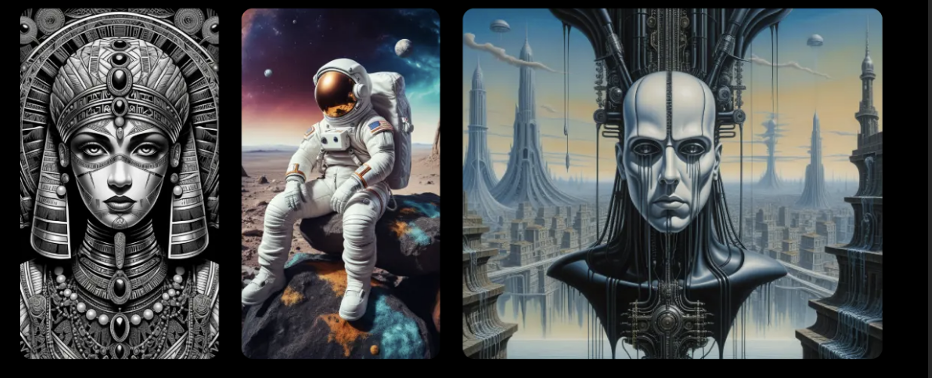
One of the most thrilling programs of image-to-image AI is in the creation and enhancement of virtual art. Artists can use AI tools to generate particular artworks from simple sketches, snapshots, or maybe summary principles. This manner, regularly known as creating AI art from images, allows artists to discover new styles and strategies that might be tough or not possible to gain manually.
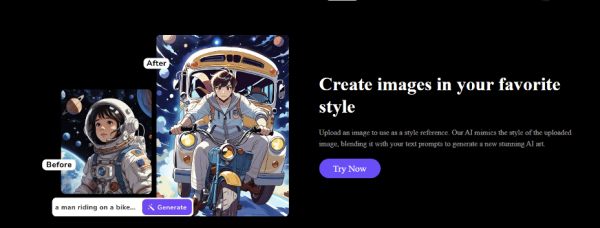
For instance, gear like DeepArt and Prisma use neural networks to apply the kinds of well-known artists to snapshots, remodeling them into lovely pieces of artwork. These applications can analyze the brushstrokes, shade palettes, and textures of artists like Van Gogh or Picasso and practice them to person-uploaded images, creating a fusion of classical and current art.
Image Restoration and Editing
Image-to-image AI is likewise distinctly effective in image restoration and modification. Old, broken mages can be restored to their former glory via the use of AI to fill in lacking information, decorate hues, and put off imperfections. This era can also be used to edit pix in greater innovative ways, which include changing backgrounds, altering facial expressions, or maybe producing new factors within an image.
Visual Effects and Animation
In the enjoyment industry, image-to-image AI has become a vital tool for growing visual outcomes and animations. By studying frames from films or animations, AI can generate new frames that seamlessly combine with the present ones, taking into consideration smoother transitions and greater practical results. This application is in particular beneficial in film manufacturing, wherein time and financial constraints frequently restrict the scope of visual effects.
Fashion and Design
The fashion industry has also embraced image-to-image AI for its ability to generate new designs and styles. AI can analyze tendencies, colors, and styles to create new garb designs or advise changes to present ones. This technology not handiest accelerates the design system but also enables designers to experiment with progressive thoughts and ideas.
The Process of Creating AI Art from Images
Creating AI artwork from images includes several steps, leveraging the power of neural networks to transform and beautify visuals. Here’s a breakdown of the everyday technique:
Data Collection and Preparation
The first step in developing AI art from images is to gather and prepare the important information. This includes gathering a huge dataset of images that the AI can analyze. The pix need to be diverse and consultant of the preferred patterns and characteristics.
Training the Neural Network
Once the information is amassed, the following step is to train the neural network. This includes feeding the images into the network and allowing it to study the patterns, textures, and features within them. The network makes use of this information to generate new images that resemble the entered facts.
Generating New Images
After the community is trained, it can be used to generate new images. This may be executed in numerous ways, including transforming an existing image into a new fashion, combining more than one image, or developing new visuals from scratch.
Refinement and Enhancement
The generated images often require refinement and enhancement to reap the favored first-rate aesthetics. This can involve high-quality tuning of the neural network, adjusting parameters, or manually modifying the images to improve their visual appeal.
The Impact of Image-to-Image AI on Art and Society
The emergence of image-to-image AI has had a profound effect on both artwork and society. Here are some of the key ways wherein this generation is influencing the world:
Democratization of Art
One of the hugest impacts of image-to-image AI is the democratization of art. By imparting on hand tools and structures, AI has made it feasible for every person to create outstanding art, no matter their talent degree, or historical past. This has opened up new opportunities for beginner artists and hobbyists to specify their creativity and proportion their paintings with a broader target audience.
New Artistic Possibilities
Image-to-image AI has elevated the bounds of what's possible in art. Artists can now test with patterns, techniques, and concepts that had been previously unattainable. This has led to the emergence of the latest art paperwork and genres, as well as a greater variety of inventive expressions.
Collaboration Between Humans and AI
The dating between humans and AI in artwork advent is regularly collaborative. Artists use AI as a tool to enhance their creativity and beautify their work, as opposed to replacing their very own inventive imaginative, and prescient. This collaboration has caused the development of specific and innovative artworks that mix human ingenuity with machine intelligence.
Ethical and Philosophical Considerations
The upward thrust of AI-generated art has also raised essential moral and philosophical questions. Issues including copyright, authorship, and the value of human creativity are being reexamined in light of AI's abilities. These discussions are important for knowledge of the consequences of AI in art and making sure that its development benefits society as a whole.
Conclusion
Image-to-image AI represents a groundbreaking development within the field of virtual art. By leveraging the energy of neural networks, this era allows the advent, transformation, and enhancement of visible art in ways that had been formerly inconceivable. From generating new art and restoring vintage images to growing lovely visual consequences and progressive fashion designs, image-to-image AI is reshaping the innovative panorama.

The method of creating AI art from images entails amassing data, educating neural networks, producing new images, and refining them to achieve the preferred consequences. This era has democratized art, increased inventive possibilities, fostered collaboration between people and AI, and sparked vital ethical and philosophical discussions.
Comments

Powered by RoundtableAn AI/DeFi-powered Enterprise Media Operating System. Learn more at Roundtable.io.© Roundtable 2026. By using this site you agree to the Terms of Use and Privacy Policy