


Apr 30, 2025 7:00 AM
Updated May 3, 2025 8:44 PM
Google Trends shows that interest in online doctor appointments surged in 2020–2021 and has since stabilized, confirming it as a viable alternative to in-person visits.
As the world continues to embrace digital transformation post-pandemic, telemedicine and remote healthcare services are rapidly expanding. In 2019, around 57 million patients globally consulted online doctors; by 2024, that number had more than doubled to over 116 million.
What began as a necessity during COVID-19 lockdowns has evolved into a standalone healthcare sector, offering patients greater convenience and often lower costs. However, this shift brings a new set of challenges—ranging from identity fraud prevention and data breaches to regulatory compliance.
Robust identity verification (IDV) systems are essential to tackling these issues.
In this article, we explore the growing need for identity verification in remote healthcare, examine common threats like deepfakes and medical identity theft, and outline how IDV can enhance trust and security.
Related stories
The Growing Role of IDV in Remote Healthcare
In many countries, remote healthcare and online consultations are not only legal but increasingly popular. Google Trends shows that interest in online doctor appointments surged in 2020–2021 and has since stabilized, confirming it as a viable alternative to in-person visits.
This digital transformation extends beyond video calls—it’s reshaping how patients schedule appointments, receive prescriptions, access test results, and manage ongoing treatment. Central to all these processes is accurate identity verification. Ensuring that the right person receives the correct care helps prevent fraud, such as medical identity theft or impersonation.
Some services also implement age verification due to age-related access restrictions.
Compliance Matters: IDV and Regulatory Standards
Remote healthcare providers must comply with data protection laws and medical privacy regulations. This includes:
● General data protection frameworks, such as the GDPR in Europe, which mandate patient consent for data processing.
● Healthcare-specific regulations, like HIPAA in the U.S., which require:
○ Secure patient verification (e.g., photo ID checks)
○ Strict access controls for personnel
○ Data encryption at rest and in transit
Failing to meet these standards can lead to significant penalties and erode patient trust.
How Remote Healthcare Platforms Verify Identity
Online healthcare platforms typically function like other digital services. New users must register by creating a profile with personal information (e.g., name, contact details, national ID number), and sensitive medical data is stored in their account.
To verify identity, providers may use:
● Government-issued ID submission + selfie
● Verified third-party login (e.g., banks, identity platforms)
● Email or phone number verification
Verification requirements vary. Some platforms verify all new patients, while others apply checks only to specific services.
Real-World Examples
● Medon (Latvia): Offers multiple verification options, including Smart-ID, biometric-secured banking apps, or standard ID checks.
● Boots Digital Health Ltd (UK): Requires different levels of ID verification depending on the service—often combining selfie and ID submission with knowledge-based authentication.
● MyChart (US): Offers access to multiple healthcare providers through a single verified profile. Sign-up involves email verification but no ID check.
● Doctor On Demand (US): Relies on email/password registration. Changes to sensitive profile info require manual review by support staff.
Major Threats in Remote Healthcare ID Verification
Despite different regulatory environments, most telemedicine providers face similar threats:
1. Deepfake and Synthetic Identity Fraud
Regula’s research found that 43% of healthcare organizations encountered audio deepfakes, while 41% faced video deepfakes. These can impersonate patients or even medical professionals to access services fraudulently.
Example:
A 2024 Facebook scam used a deepfake of a renowned Australian doctor to promote unapproved diabetes supplements, prompting the real clinic to issue a public warning.
2. Medical Identity Theft
Using stolen or fake IDs, criminals can impersonate patients—especially in systems without real-time video consultations.
Example:
A woman in Arizona was billed for hundreds of thousands of dollars after a fraudster used her identity to access healthcare services across several institutions. The investigation was ultimately dropped due to lack of evidence.
3. Health Insurance Fraud
Criminals may exploit stolen identities to submit false claims or enroll in multiple insurance plans.
Example:
A New York medical biller received a 12-year sentence and was ordered to repay $336M for impersonating patients and manipulating insurance claims.
4. Account Takeovers
Leaked credentials from data breaches can lead to unauthorized access to patient portals, allowing fraudsters to schedule treatments, access sensitive data, or order drugs for resale.
How to Strengthen Patient Identity Verification
To combat these threats, healthcare providers must improve both onboarding and ongoing authentication processes:
Document Verification
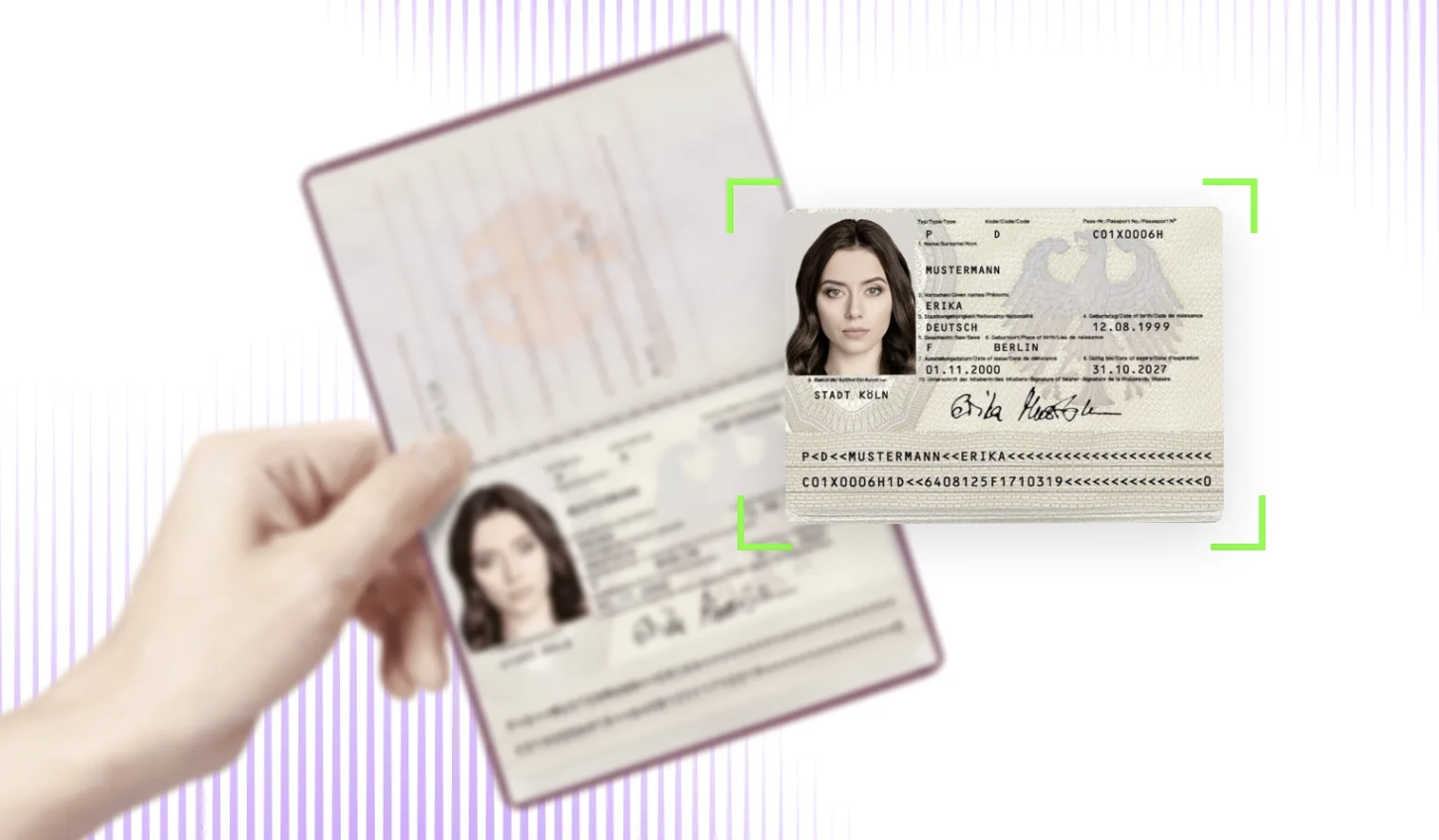
Modern IDV systems analyze document structure and embedded security features to detect fake IDs. In regions with electronic documents (e.g., biometric passports), NFC chip verification adds another layer of security.
Liveness Detection
To counter deepfakes, facial recognition with liveness detection ensures a real person is present. Tools like Regula Face SDK detect AI-generated images by analyzing micro-movements and light reflections.
Face Matching
Comparing a selfie with a reference photo from an ID or a government database enhances verification and deters impersonation.
Multi-Factor Authentication (MFA)
Passwords alone are vulnerable. Replacing or complementing them with biometric MFA (e.g., facial recognition) significantly strengthens access control.
Age Verification
For providers with age restrictions, IDV tools can check a user’s date of birth and ID layout (e.g., vertical vs. horizontal format on U.S. driver’s licenses). In some cases, dual-document verification is required.
Automation for Better UX
Efficient onboarding improves user satisfaction. The Regula Document Reader SDK automatically extracts personal data from IDs, reducing errors and avoiding repeat captures of documents or selfies.

Final Thoughts: Building Trust in Remote Healthcare
Identity verification is no longer a mere formality—it’s a vital component of safe, legal, and trustworthy remote healthcare. With advanced technologies like biometric authentication, document scanning, and liveness detection, providers can protect patients while delivering seamless user experiences.
Comments

Powered by RoundtableAn AI/DeFi-powered Enterprise Media Operating System. Learn more at Roundtable.io.© Roundtable 2026. By using this site you agree to the Terms of Use and Privacy Policy