


Feb 19, 2024 9:11 PM
The allure of altitude training lies in its ability to harness the body's inherent adaptability to environmental challenges.
In the quest for peak athletic performance, athletes constantly seek innovative methods to edge out the competition. Among the myriad of training strategies, hypoxic training has long been known as an effective way to boost performance. This method, which involves training under conditions of reduced oxygen availability, simulates high-altitude environments or restricts air intake to enhance athletic performance. Dr. Darren Burke, a renowned expert in sports science, sheds light on how athletes can harness hypoxic training to significantly improve their sprinting performance. This article delves into the various facets of hypoxic training, including altitude training, breath-holding techniques, the use of air restrictive masks, and sprinting to exhaustion
Altitude Training: The Natural Hypoxic Environment Altitude training stands as a cornerstone of natural hypoxic training methodologies. Athletes engaging in altitude training venture to elevations typically exceeding 2,000 meters (6,561 feet), where oxygen levels are naturally lower. This exposure initiates a cascade of physiological responses within the body, notably the heightened production of red blood cells. Consequently, oxygen delivery to muscles is enhanced, fostering improved endurance and performance. It also forces adaptations to byproducts associated with anaerobic metabolism and fosters increased time to fatigue.
Dr. Burke echos the efficacy of the "live-high, train-low" model in altitude training. This paradigm advocates for athletes to reside at high altitudes to acclimate to the hypoxic environment, while conducting their training sessions at lower altitudes. This approach enables athletes to sustain the intensity of their workouts without subjecting themselves to excessive physiological stress. However, he also suggests testing oneself with pushing hard, intense training at those same altitudes for optimal benefit. “I recall doing hypoxic training for flatwater canoeing and pushing myself to exhaustion. It was brutal and uncomfortable but resulted in forced mental and physical benefits. Be sure to do it with a partner or coach.”
The allure of altitude training lies in its ability to harness the body's inherent adaptability to environmental challenges. By embracing the natural hypoxic environment of high elevations, athletes can unlock their full potential and attain peak physical performance. Through meticulous planning and adherence to established principles, altitude training serves as a cornerstone for athletes striving to excel in their respective disciplines.
Related stories
Breath-Holding Techniques: Simulating Hypoxia
In the realm of hypoxic training, breath-holding techniques present a convenient and accessible avenue for athletes seeking to enhance their performance without the constraints of altitude or specialized gear. This approach entails sprinters deliberately withholding their breath during brief yet intense training intervals. Dr. Burke advocates for the integration of breath-holding sprints into training regimens, emphasizing their capacity to augment the body's anaerobic capacity and tolerance to elevated levels of carbon dioxide and other metabolic byproducts.
By incorporating breath-holding techniques strategically within training sessions, athletes can effectively simulate hypoxic conditions and stimulate adaptations conducive to improved sprinting performance. This method offers a versatile alternative for athletes seeking to optimize their training outcomes and gain a competitive edge in their athletic pursuits. Through consistent practice and careful implementation, breath-holding techniques serve as a valuable tool in the arsenal of aspiring sprinters aiming for excellence on the track.
Air Restrictive Masks: Controlled Hypoxic Training
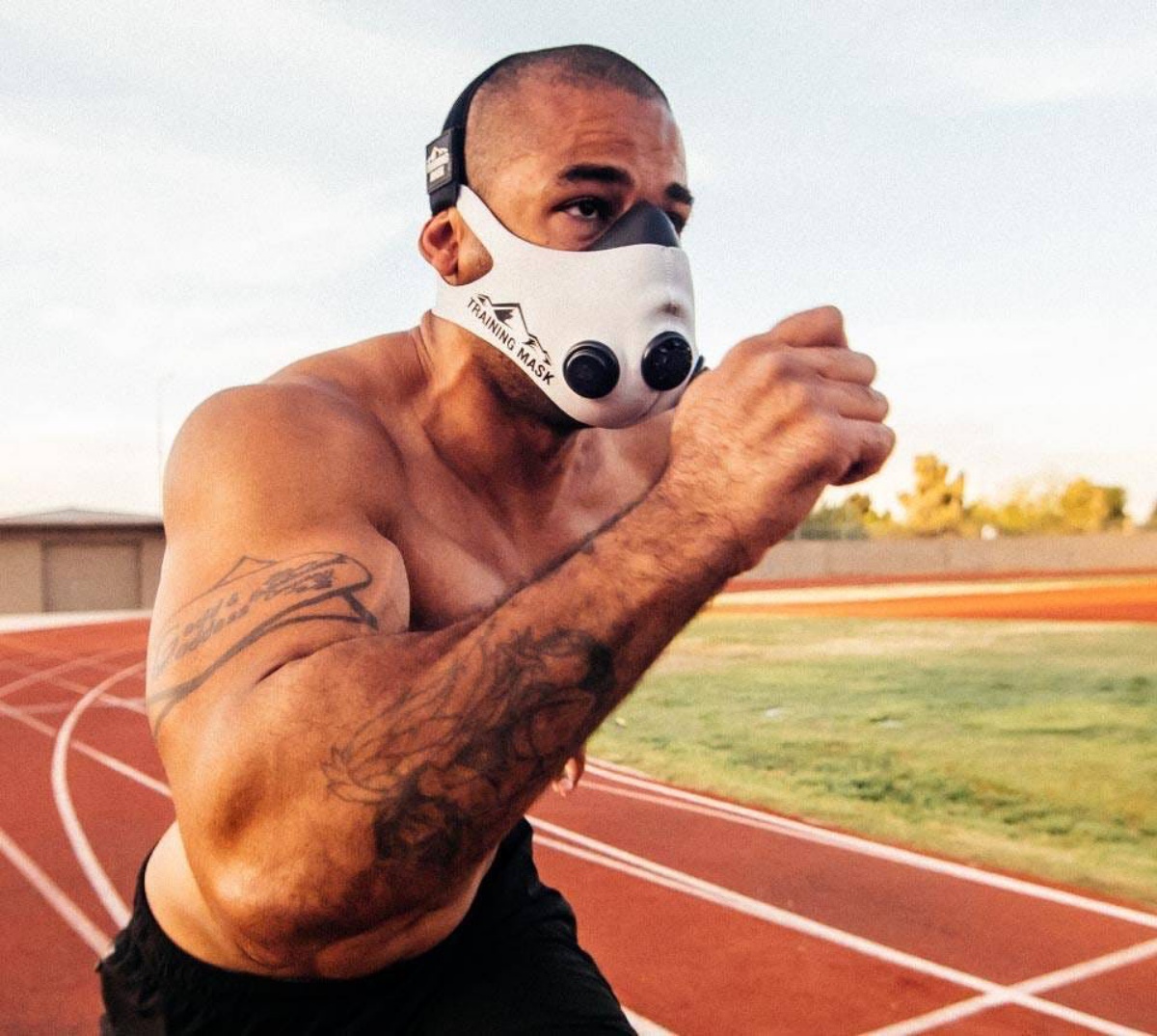
Air restrictive masks have emerged as a novel tool in athletic training, particularly for simulating high-altitude conditions while at sea level. By constraining the amount of oxygen athletes can inhale during exercise, these masks replicate the reduced oxygen availability experienced at higher elevations. This form of training offers athletes a highly controllable and accessible method to enhance their performance. Sprinters, in particular, benefit from the ability to adjust the level of oxygen restriction according to their specific training needs and goals.
Dr. Burke, a prominent sports scientist, emphasizes the importance of using air restrictive masks judiciously. While they can effectively mimic the effects of altitude training to a certain extent, athletes must be cautious as the physiological adaptations induced by these masks may differ from those experienced during natural altitude training. Careful monitoring and moderation are essential to optimize the benefits while minimizing potential risks associated with this training method.
Incorporating air restrictive masks into training regimens requires a thoughtful approach tailored to individual athlete profiles and performance objectives. Proper guidance from coaches and sports science professionals can help athletes navigate the complexities of hypoxic training safely and effectively. By harnessing the potential of air restrictive masks in controlled hypoxic training, athletes can strive for peak performance and competitive advantage in their respective disciplines.
Sprinting to Exhaustion: Maximizing Hypoxic Exposure
Sprinting to exhaustion under hypoxic conditions, whether at altitude, with breath-holding, or using an air restrictive mask, pushes the body to its limits. This extreme form of training enhances muscular endurance and efficiency under oxygen-deprived conditions. Dr. Burke points out, "Sprinting to exhaustion in a hypoxic state is super effective when integrated into training programs strategically to avoid overtraining and ensure proper recovery."

Hypoxic training represents an effective strategy in athletic performance enhancement, particularly for sprinters. By judiciously applying the techniques of altitude training, breath-holding, air restrictive mask use, and sprinting to exhaustion, athletes can unlock new levels of performance. For more information and valuable performance-enhancing tips, reach out to Dr Darren Burke at his personal site.
Comments

Powered by RoundtableAn AI/DeFi-powered Enterprise Media Operating System. Learn more at Roundtable.io.© Roundtable 2026. By using this site you agree to the Terms of Use and Privacy Policy