
https://unsplash.com/photos/silhouette-of-trees-during-sunset-kbTp7dBzHyY


Unsplash
May 13, 2025 7:00 AM
Updated May 18, 2025 11:26 PM
Issues like water scarcity and sea level rise are causing more human upheaval than ever before. The resulting refugee crisis requires governments to come together and create policies to mitigate it.
Climate Change and Its Impact on Migration Patterns
Climate change is no longer a distant threat. It has become a reality that is reshaping our environment, economies, and societies. Among its many consequences is its profound effect on human migration. As global warming intensifies, it contributes to sea level rise, extreme weather events, water scarcity, and the degradation of agricultural land. Millions of people are forced to leave their homes as a result. This forced migration is linked directly to climate change impacts, giving rise to new categories of migrants. These climate and environmental refugees require assistance, while steps must be taken to minimize the adverse effects of these new migration patterns.
Economic or political factors have historically driven people to migrate. For instance, those who can’t buy or rent property take their businesses online. This includes online casino sites like the ones listed at https://tisztessegeskaszinok.com/kaszino-bonuszok/ingyen-porgetes/, since it’s cheaper than creating and operating a physical location. However, today, environmental degradation and climatic instability are emerging as major catalysts of migration. Entire communities in the Global South and other regions are being uprooted as their homes become uninhabitable. This shift in migration patterns is increasingly recognized as a looming refugee crisis and demands both immediate humanitarian aid and long-term policy solutions.
Affected Regions: Where Climate-Induced Displacement Is Most Severe
Certain regions of the world are more vulnerable to the consequences of climate change due to factors such as:
● Geography
Related stories
● Socio-economic status
● Limited capacity for disaster response.
Low-lying island nations and arid regions are more affected than others in this regard. Here are some of the most-affected regions:
South Pacific:
Tuvalu and the Maldives are two countries facing existential threats from sea level rise. There are others like them, putting entire populations at risk of becoming stateless.
South Asia:
In countries like Bangladesh, recurrent flooding and cyclones have displaced millions. This has contributed to increased rural to urban migration as displaced individuals seek refuge in overcrowded cities like Dhaka.
Sub-Saharan Africa:
The whole region is grappling with water scarcity and prolonged droughts. These have led to the loss of livestock and crop failures. These events disrupt livelihoods, particularly in agricultural communities, and push people to migrate either within their countries or across borders. In the Sahel region, for instance, desertification is a major driver of displacement and conflict.
Latin America:
Ongoing droughts have caused significant crop failure in the “Dry Corridor” of Central America, which includes parts of Guatemala, Honduras, and El Salvador. This environmental stress has pushed families to undertake dangerous journeys toward the United States. Such events blur the lines between economic migration and climate-induced displacement.
The USA
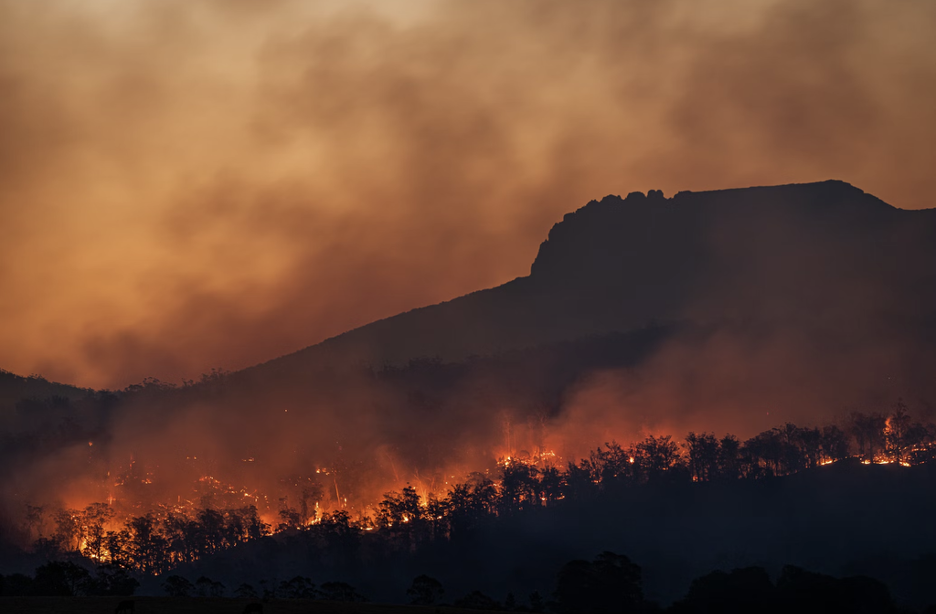
Events like Hurricane Katrina in 2005 and the recent wildfires California faced have forced thousands to leave their homes in the US. Such extreme weather events are a major cause for internal displacement.
Policy Responses: How Governments Are Addressing Climate Migration
While the 1951 Refugee Convention focuses on issues related to race, religion, nationality, and political opinion, climate refugees aren’t formally recognized under this policy. Due to this glaring gap, several displaced people are left without access to any kind of asylum.
Nonetheless, some governments and organizations are beginning to acknowledge and respond to the challenge. One way is, of course, to launch more climate-friendly initiatives such as he green transportation initiative in Suffolk. Small steps like this one could help achieve a greener future while reducing the number of people who are forced to migrate. Here are some other small and large-scale initiatives to help mitigate the issue:
● The United Nations has started to integrate climate justice into its frameworks. An example is the Global Compact for Migration, which recognizes climate change as a driver of displacement.
● New Zealand has proposed a special visa category for citizens from Pacific Island nations affected by sea level rise. Regions like the US and European countries should also learn from this and implement similar immigration policies.
Some countries are also investing in resilience and adaptation strategies to control the rise of environmental refugees. These include:
● Early Warning Systems for extreme weather events
● Sustainable agriculture initiatives to combat water scarcity
● Infrastructure projects to protect against flooding
At the local level, cities receiving large numbers of displaced people face significant challenges. Rapid rural to urban migration places immense pressure on aspects like:
● Housing
● Public Services
● Employment Opportunities
Despite the increased involvement of municipal governments in disaster response planning, the lack of resources to effectively manage the influx of vulnerable populations remains a major issue to be tackled.
Conclusion: A Call for International Cooperation
Increased human movement caused by changing weather patterns is a defining challenge of our time. As environmental degradation and global warming continue to displace people worldwide, the international community must take decisive action to address the growing crisis of climate-induced migration. Effective solutions require coordinated global efforts that go beyond national borders. Here are some things that could be done:
● Legally recognize climate refugees and incorporate them into existing international frameworks for protection and assistance.
● Increased funding for climate change mitigation and adaptation strategies in the most affected regions is essential to reduce the need for migration in the first place.
● Migration should be reframed as a form of adaptation as opposed to just a problem. Policies must create safe and legal pathways for migration. Sustainable development and community resilience must also be stressed.

Emphasizing climate justice is critical because those who have contributed least to environmental degradation are often the ones most severely affected, and they deserve both support and solidarity. As the impacts of climate change intensify, so too will the movement of people seeking safety and stability. Recognizing this reality and planning accordingly is not just a matter of compassion but rather a necessity for global stability and human dignity.
Comments

Powered by RoundtableAn AI/DeFi-powered Enterprise Media Operating System. Learn more at Roundtable.io.© Roundtable 2026. By using this site you agree to the Terms of Use and Privacy Policy