


May 9, 2025 7:00 AM
Updated May 17, 2025 12:46 AM
A calm trip starts with a calm destination. You don’t need ten major attractions. You need one good base, and the freedom to move around it at your own pace.
Ever come back from vacation feeling more tired than when you left? You’re not alone. Travel often turns into a packed checklist, with little room to rest. We live in a world that celebrates doing more, even when we’re supposed to be relaxing.
But the best trips aren’t the busiest—they’re the ones that leave you feeling grounded again. They give you space, quiet, and time to simply be. Places like the Smoky Mountains make that easier, with nature setting the pace and calm built into the landscape.
In this blog, we will share how to plan a trip that doesn’t wear you out—and might actually leave you feeling renewed.
Start With the Place, Not the Plan
Related stories
A calm trip starts with a calm destination. You don’t need ten major attractions. You need one good base, and the freedom to move around it at your own pace.
The Smoky Mountains are a perfect example. This region offers more than just pretty views—it gives you space to slow down. You can explore nature, enjoy small-town charm, or sit still without feeling like you're missing something. It’s the kind of place where doing “nothing” still feels like doing something.
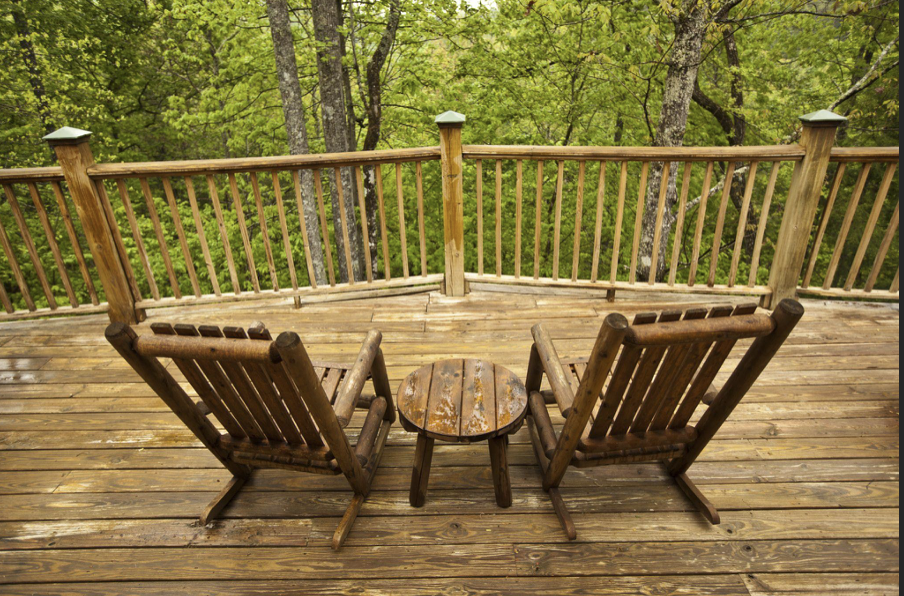
And where you stay matters, especially when you're trying not to burn out. A lot of stress on trips comes from being cramped or overscheduled. That’s why many travelers choose cabins in Smoky Mountains for a more peaceful experience. These cabins and chalets give you room to breathe, spread out, and enjoy a little privacy between adventures. Whether you're traveling as a couple, with kids, or with extended family, a well-chosen cabin can turn downtime into something you actually look forward to.
One of the best ways to find the right place is through Visit My Smokies. Their listings focus on quality, comfort, and real local flavor. Plus, no long check-in lines. No lobby noise. Just you, your people, and the woods outside your window.
Cut the Itinerary in Half (Really)
If your trip plan looks like a school schedule, start over. The truth is, most travelers only remember a handful of things from any trip. It’s rarely the tenth thing on your list. It’s the moment when something felt easy, spontaneous, or meaningful.
Try choosing one or two key activities per day. That’s enough. If you are going hiking, then only keep one other physically challenging tour that day. It gives your mind and body time to catch up—and your group time to enjoy it.
Leave space for naps. For sitting. For whatever you didn’t expect. These are the parts of the trip that usually feel the best. Rushing from one place to the next doesn’t just wear you out. It makes everything blur together.
Think in Energy, Not Time
Don’t ask, “How much can we fit in?” Ask, “How much energy do we actually have?”
That shift changes everything. A museum might only take two hours, but if it’s packed and loud, it’s draining. A short hike might take the same amount of time—but leave you feeling calm and refreshed.
Everyone’s energy is different. If you’re traveling with kids or grandparents, you need to plan around that. Morning people? Plan something fun before noon. Need quiet to recharge? Build that into the day, just like meals.
Respecting energy—not just time—helps the whole group stay grounded.
Let Food Be a Break, Not a Battle
Food can be a highlight or a hassle. The key is to not overthink it. You don’t need to eat every meal at a five-star spot. Sometimes, a picnic or takeout eaten on the cabin porch is exactly right.
Plan one or two memorable meals. Let the rest be easy. Stock your cabin with snacks and breakfast basics. Having food on hand lowers the pressure and cuts down on those “I’m starving” emergencies that drain the joy out of the day.
And don’t be afraid to eat in silence. You’re allowed to have meals that are more about fuel than fanfare.
Make Rest a Priority, Not a Reward
Too many people treat rest like something you earn after exhausting yourself. That mindset doesn’t work on vacation. Sleep should be solid. Breaks should be frequent. Downtime should be normal (it is necessary for brain health).
That means going to bed early if you need to. Taking a slow morning. Letting kids (and adults) nap without guilt. The point of a trip isn’t to run yourself into the ground—it’s to feel human again.
Rest builds better memories. People remember how they felt on a trip more than what they did. If your trip makes you feel calm, cared for, and connected, that’s the win.
Say No to the “Must-Do” List
Not every landmark needs a selfie. Not every brochure needs a checkmark. Some of the most relaxing trips happen when you ignore the “musts” and focus on what feels right.
If you’d rather sit on the porch than go to the gift shop, do it. If a hike sounds better than a guided tour, follow that. If you’d rather skip the line for pancakes and eat toast in your pajamas—great.
The best trips don’t always follow the guidebook. They follow your needs.
Build In Some Flex Days
If your trip is more than a few days long, add a flex day. A day with nothing scheduled. That blank space gives you room to breathe or room to explore, depending on how you feel when you wake up.
Flex days reduce pressure. They give you a buffer when something runs long, or weather doesn’t cooperate. And they often turn into some of the most enjoyable parts of the trip—because they’re driven by mood, not expectation.
You Don’t Need to “Earn” Your Rest
Planning a trip that doesn’t wear you out starts with giving yourself permission to travel differently. Slower. Smarter. More in tune with what actually makes you feel good.

In a world that celebrates the hustle—even in our time off—it’s a quiet act of rebellion to take a trip that puts your peace first. But it’s the kind of rebellion we could all use a little more of.
So skip the checklist. Pick a place that holds space for you. And plan for a vacation that actually feels like one.
Comments

Powered by RoundtableAn AI/DeFi-powered Enterprise Media Operating System. Learn more at Roundtable.io.© Roundtable 2026. By using this site you agree to the Terms of Use and Privacy Policy