


Aug 14, 2026 7:00 AM
Updated Aug 18, 2026 2:34 AM
Glassware, mirrors, ceramics, picture frames, electronics, collectibles, and certain kitchen items should be handled individually.
Richmond, California, is a waterfront city in the East Bay, with a mix of older homes, newer residential communities, and neighborhoods stretching from the shoreline into the hills. Its location near San Francisco Bay and the wider Bay Area makes it a popular place for people moving between nearby cities.
When you are preparing for a move, the safest way to pack fragile items is to wrap each piece individually, use sturdy boxes, fill empty spaces, and label everything clearly. A little extra care while packing can prevent cracked dishes, broken glass, scratched decorations, and other unpleasant surprises when you start unpacking.
Whether you are moving across Richmond or heading farther away, Richmond, CA, movers can take much of the physical work off your hands. Still, knowing how fragile belongings should be packed can help you prepare properly and communicate your expectations with your moving team.
Start With the Most Delicate Items
Do not throw all your fragile belongings into boxes at the last minute. Start by separating the things that need the most protection.
Related stories
Glassware, mirrors, ceramics, picture frames, electronics, collectibles, and certain kitchen items should be handled individually. Setting these items aside early gives you time to pack them carefully instead of rushing through the job the night before your move.
It can also help to group fragile belongings by room. That way, you will know exactly what is inside each box when it is time to unpack.
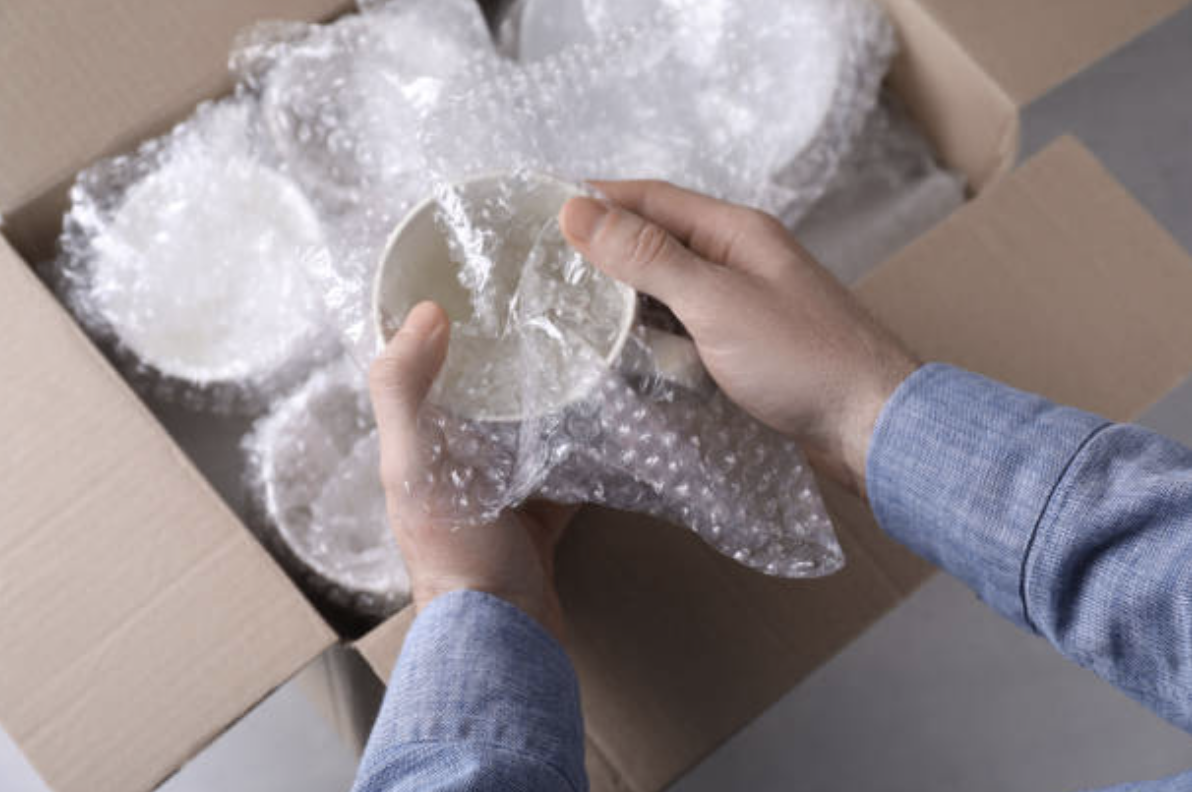
Wrap Items One at a Time
Wrapping several fragile objects together may seem faster, but individual protection is much safer.
Use bubble wrap, packing paper, or another suitable protective material around each item. Pay particular attention to corners, handles, thin edges, and other areas that can break easily.
For glasses and cups, wrap each piece separately and place cushioning between them. Plates are generally safer when packed vertically rather than stacked flat because the weight is distributed differently inside the box.
Choose the Right Box
The box itself matters more than many people realize. A weak or oversized box can make fragile items much more vulnerable during transportation.
Use strong, appropriately sized boxes and avoid packing too many heavy objects together. Smaller boxes are often better for dense items such as dishes and books because they are easier to lift and less likely to become dangerously heavy.
For particularly delicate belongings, specialty boxes with dividers can provide additional protection.
Fill Empty Spaces
Even well-wrapped items can break if they are allowed to move around inside the box.
Once your belongings are placed inside, fill empty areas with crumpled packing paper, towels, soft clothing, or other suitable cushioning. The goal is to keep the contents from shifting when the box is lifted or the moving truck is in motion.
Give the box a gentle check before sealing it. If you can hear items moving around, add more padding.
Do Not Overpack Fragile Boxes
It can be tempting to make every box as full as possible, but fragile items need room for proper cushioning.
Avoid putting heavy objects on top of delicate ones. Keep the weight manageable and distribute items carefully. A box filled with glassware should not become so heavy that the bottom starts to weaken.
If a box feels difficult to lift safely, it is probably worth repacking it.
Label Everything Clearly
A simple label can make a big difference. Mark boxes containing delicate belongings with "fragile" and indicate which room they belong in.
You can also write a short description such as “glassware,” “decor,” or “electronics.” This helps movers know which boxes require extra care and makes unpacking easier once you reach your new home.
It is especially useful to mark which side should remain upright when the contents have a specific orientation.
Handle Valuable Items With Extra Care
Some fragile belongings are valuable for reasons beyond their price. Family heirlooms, artwork, antiques, and sentimental keepsakes may be impossible to replace.
For these items, consider discussing special handling requirements with your moving company ahead of time. Depending on the item, professional packing or specialty crating may be appropriate.
If something is extremely valuable or irreplaceable, ask about your options rather than assuming standard packing will be enough.
A Careful Start Makes Moving Easier
Packing fragile belongings does not have to be complicated, but it does require patience. Individual wrapping, proper cushioning, strong boxes, and clear labeling can greatly reduce the chances of damage.
If you are working with Richmond, CA, movers, let them know about particularly delicate items before moving day. Good communication allows the crew to plan for those belongings and handle them appropriately.
Key Takeaways
- Wrap fragile belongings individually for better protection.
- Choose sturdy boxes that match the size and weight of the contents.
- Use cushioning to prevent items from shifting during transportation.
- Avoid making fragile boxes excessively heavy.
- Label boxes clearly so movers know which items need extra care.
- Give valuable or irreplaceable belongings special consideration.
- Communicate fragile-item requirements with your movers before moving day.
Comments

Powered by RoundtableAn AI/DeFi-powered Enterprise Media Operating System. Learn more at Roundtable.io.© Roundtable 2026. By using this site you agree to the Terms of Use and Privacy Policy