


How Long Do Truck Tires Last
Oct 26, 2024 7:00 AM
Updated Oct 29, 2024 3:39 AM
A new set of tires on your truck is a fine investment. But they will indeed wear out over time. How soon? Read this post to learn about the longevity of truck tires.
How Long Do Truck Tires Last?
If you’ve just installed a new set of tires on your truck, the next question you should ask is how long they will last and how you can increase their lifespan.
There isn’t an exact figure on how long a truck tire will last. However, a 2024 survey from Consumer Report revealed that many all-season light truck and SUV tires lasted over 70,000 miles.
Not all truck owners have such experience because it depends on the terrain you drive on, the weight of the loads you carry, and your harsh acceleration and hard braking, among other factors.
In this post, we’ve explained in detail the factors determining the longevity of different truck tires and how to extend their lifespan through maintenance.
Related stories
Key Takeaways
- Expect a truck tire to last between 50,000 and 60,000 miles.
- The exact lifespan of the tire before it wears out depends on the quality of the tire, how you drive, and the terrain.
- Look out for tread wear and vibrations, indicating it’s time to replace your truck tires.
- Also, go for quality when shopping for a new set of truck tires. While these options can be expensive, you can find the best deals for cheap truck tires at Discounted Wheel Warehouse.

Many truck owners believe that factory tires don’t last very long. Some even say they couldn’t get more than 30,000 miles out of a set.
However, if you buy high-quality all-terrain tires like Nitto or Falken and maintain them properly, you might get 50,000 miles or more. If you own a heavy-duty truck, the weight can cause tires to wear out faster.
These opinions come from the experiences of various truck owners, but tire lifespan depends on how you drive and what type of tire you have.
For example, an aggressive driver using Falken Wildpeaks might only get 25,000 miles, while a regular driver using Goodyear Duratracs could surprisingly reach up to 60,000 miles.
Before looking into how long truck tires last in terms of years and miles, let’s consider the factors that can affect how quickly or slowly they wear out.
Factors Affecting the Longevity of Truck Tires
Some driving habits and conditions can make your tires wear out quicker than expected.
Here are a few things that can affect how long your tires will last:
- How You Drive: If you speed up or brake hard often, your tires will wear out faster. Taking it easy on the gas and brake pedals and letting the car slow down on its own when possible can help them last longer.
- The Roads You Drive On: If you live in a hilly area, your tires will wear more because they need extra grip to stop and start compared to driving on flat roads.
- Road Surface and Weather: Driving on rough surfaces like gravel or dirt or facing harsh weather like snow, rain, or icy roads can cause your tires to wear down faster. If you plan on off-roading, this will also affect how long your tires last.
- Vehicle Type: Depending on whether your truck is a front-wheel drive, rear-wheel drive, or all-wheel drive, your tires will wear out differently based on which wheels do most of the work.
- Tire Ratings: Tires come with a treadwear rating, which tells you how long the treads are expected to last.
- Tire Style: Performance tires provide better grip but wear out faster than all-season tires, which roll more easily.
What’s the Average Lifespan of Truck Tires?
Many new truck tires from Chrysler, Dodge, Jeep, Ram, and Wagoneer Parts Department can last between 50,000 and 60,000 miles.
Some truck owners would argue that tires from aftermarket manufacturers like American Outlaw, TIS, Fuel, and Vision Offroad are more promising in terms of longevity and performance.
But what about big semi-trucks like the Kenworth T680 or Volvo VNL series? It really comes down to the weight and the type of truck being used.
It’s important not to keep tires on your semi truck for more than six years. On average, semi-truck tires last between three and six years if they’re in good shape.
As for mileage, experts suggest changing semi-truck tires every 25,000 to 75,000 miles, depending on various factors discussed earlier.
When to Replace Your Truck Tires

When your tire tread gets worn out, it's a clear sign that your tires need to be replaced.
You can easily spot this by looking at the tires. If the wear is uneven, it might point to other car issues.
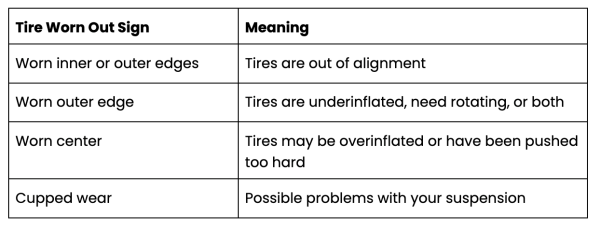
Most tires have built-in wear indicators, but you can also use the penny test to check if the tread is too low.
Also, if you feel vibrations or hear loud tire noise worsening, it could mean your tires are out of balance. Sometimes, it can also mean they are not wearing evenly or have a structural problem.
This could be a safety risk, so have a professional mechanic check them as soon as possible. In most cases, it leads to tire replacement rather than rotation.
Where To Buy High-quality, Affordable Truck Tires
Discounted Wheel Warehouse is one of the best online stores for finding the best truck tires and rims deals.
We've been helping truck owners find the perfect wheels and tires for 25 years in the U.S. You can check our catalog for truck tire prices from some of the most sought-after brands.
Our aftermarket truck tires are available in various styles. Even if you're unsure of the specs or offset range you need, you can use our Search tool.
We'll show you all the truck tires we offer that suit your rig’s specifications and provide the best balance of grip, handling, and wear to fit your truck.
How to Extend the Lifespan of Truck Tires
To make your tires last longer, it’s important to take care of them properly. Here's what you should do:
1. Check your tire pressure every month
You can find the recommended air pressure in your owner’s manual or on the sticker inside your car door.
2. Rotate your tires regularly
Tire rotation means changing the position of your front and back tires. Your vehicle’s manual will tell you how often to do this, but the Tire Industry Association suggests rotating them every 5,000 to 7,000 miles.
There is the rearward cross, forward cross, and X pattern for rotating the tires. The best tire rotation pattern for your car depends on several things.
These things include the type of tires you have, whether your car is front-wheel, rear-wheel, all-wheel, or four-wheel drive, and if your tires are directional (designed to roll in one direction) or non-directional.
3. Get your wheels balanced and aligned once a year
If your wheels are off-balance or misaligned, it can cause uneven tire wear and shorten their lifespan.
4. Keep an eye on your treadwear
Worn-out tires can be dangerous since they increase stopping distance and lead to accidents.
Whenever you take your car in for service, technicians will check your tire tread. You can also do it yourself using a “quarter test.”
Put a quarter into the tread, and if you can see all of George Washington’s head, your tread is 4/32″ or lower, and it’s time to start thinking about new tires. At 2/32″, your car will fail inspection.
Also, habitually check your tires regularly for any signs of damage, such as cracks, low tread depth, air bubbles, or uneven wear.
5. Avoid tailgating
Tires can wear out twice as fast if you often brake hard or accelerate aggressively from a stop.
To make your tires last longer, avoid tailgating so you don’t have to brake suddenly.
Slow down before taking sharp turns, and avoid potholes and rough roads whenever possible. When starting from a stop, press the gas pedal gently to reduce stress on the tires.


Final Thoughts
Now that you know how long your truck tire will last, it’s important to prioritize maintenance.
And if you’re buying a new set, always prioritize quality over quantity. Quality truck tires last longer.
Comments

Powered by RoundtableAn AI/DeFi-powered Enterprise Media Operating System. Learn more at Roundtable.io.© Roundtable 2026. By using this site you agree to the Terms of Use and Privacy Policy