


Mar 28, 2024 7:00 AM
Updated Mar 30, 2024 11:12 PM
Understanding ship maintenance can mean the difference between a rewarding voyage and being stranded in uncharted waters.
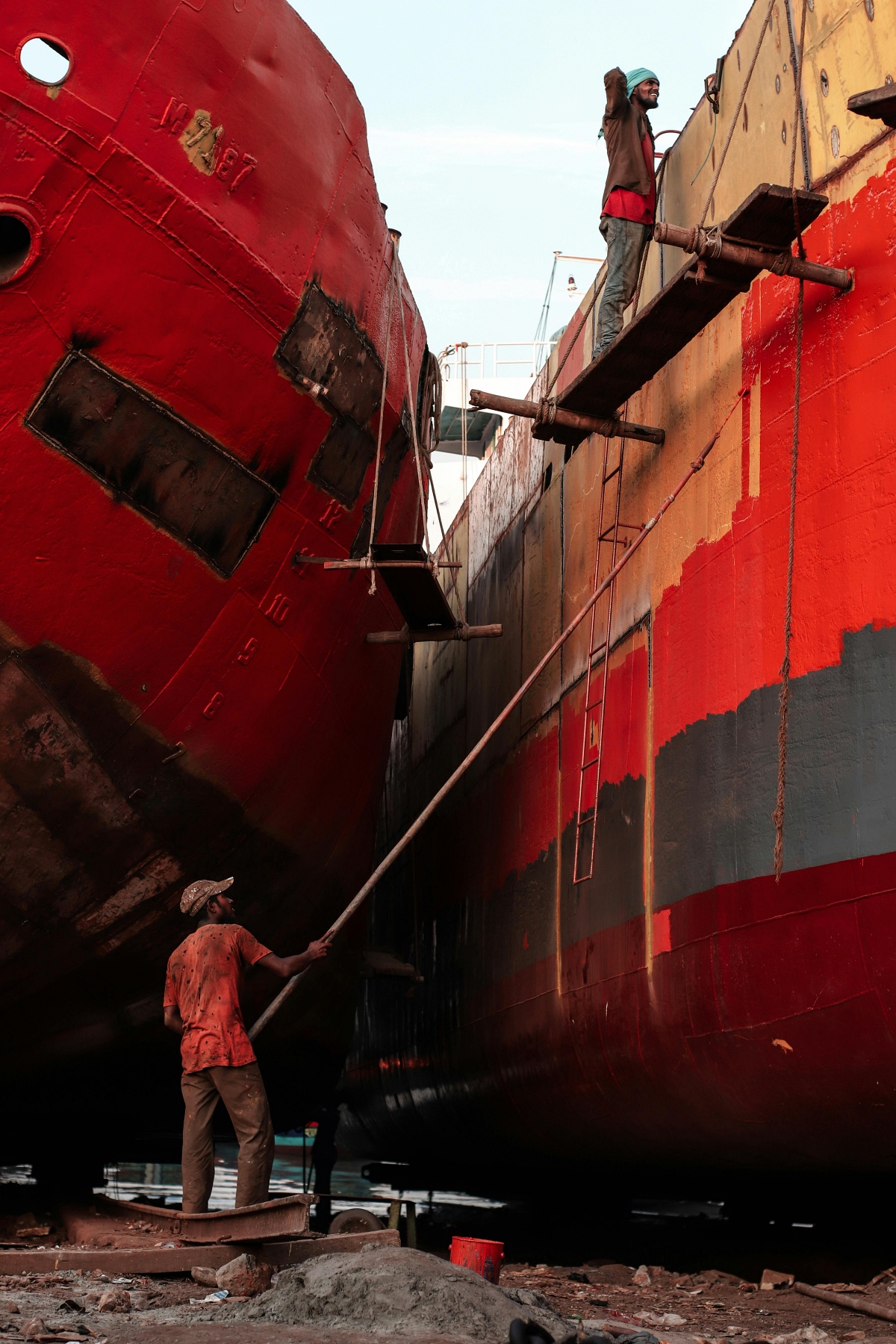
Navigating the deep blue seas also means confronting the inevitable wear and tear on your precious vessel. Understanding ship maintenance can mean the difference between a rewarding voyage and being stranded in uncharted waters. That's why we have assembled this definitive article for shipyard management.
Our ultimate guide covers more than just the nuts and bolts of ship maintenance and repair. It empowers you with the understanding of vital systems and strategies to weather any storm. So, sail freely and experience the peace of mind that only ship upkeep can provide!
Common Ship Maintenance Tasks
Ship maintenance encompasses a wide range of tasks, each serving a specific purpose in ensuring the vessel's optimal performance and safety. Some common ship maintenance tasks include:
Related stories
Inspection and Cleaning
Regular inspections are essential to identify any signs of wear, damage, or malfunction that may require immediate attention. This includes checking for leaks and cracks, as well as inspecting safety equipment and navigation systems. Cleaning the ship's exterior and interior is also vital to prevent the buildup of dirt or marine organisms.
Lubrication and Fluid Checks
Proper lubrication of ship parts reduces friction and prevents premature wear. Regularly checking and replenishing fluids ensures optimal performance and prevents overheating or component failure.
Electrical System Maintenance
The ship's electrical system is responsible for powering various equipment and systems onboard. Routine inspection and maintenance of electrical components, including wiring, connectors, and switches, help prevent electrical malfunctions, shorts, or fires.
Understanding Marine Cutlass Bearings
Marine cutlass bearings are an integral part of ship propulsion systems. These bearings are designed to support the propeller shaft and allow it to rotate freely while maintaining alignment. They're typically made of a non-metallic material, such as rubber or synthetic polymer, to reduce friction and absorb vibrations.
Proper maintenance of marine cutlass bearings is essential to ensure smooth and efficient shaft operation. Over time, these bearings can wear down due to constant contact and friction.
Regular inspection and replacement of worn-out bearings are necessary to prevent shaft misalignment and potential damage to the propeller or the surrounding components.
Ship operators should include marine cutlass bearings in their routine maintenance checklist. This involves regular inspection for signs of wear, like excessive clearance or damage to the bearing material.
Essential Ship Parts That Require Regular Maintenance
Ship maintenance involves the regular upkeep of various parts and components to ensure the vessel's safe and efficient operation. Some essential ship parts that require regular maintenance include:
Engines and Propulsion Systems
The ship's engines and propulsion systems are at the heart of its operation. Oil changes, filter replacements, and inspections for leaks prevent breakdowns and ensure the best performance.
Navigation and Communication Systems
Navigation and communication systems are critical for safe voyage planning and effective communication with other vessels. Routine ship maintenance and calibration of these systems are necessary to ensure accurate readings and compliance with international regulations.
Hull and Paintwork
The ship's hull is constantly exposed to seawater, which can lead to corrosion and structural damage over time. Thankfully, protective coatings can prevent corrosion and maintain the ship's structural integrity.
Different Types of Ships and Their Maintenance Requirements
Different types of ships have varying maintenance requirements. Below are some examples of different ship types and their maintenance requirements:
Cargo Ships
Cargo ships transport goods and often have large cargo holds and loading equipment. Maintenance tasks for cargo ships include regular inspection of cargo handling equipment, as well as checking cargo hold integrity to prevent leaks.
Passenger Ships
Passenger ships, including cruise ships and ferries, require routine maintenance to ensure passenger safety and comfort. This includes inspection of life-saving equipment, like lifeboats and life rafts. It also includes maintenance of passenger amenities, such as air conditioning systems and entertainment facilities.
Offshore Support Vessels
Offshore support vessels operate in challenging offshore environments. These ships require specialized maintenance to withstand harsh conditions, including regular inspection of dynamic positioning systems, specialized winches, and safety equipment for offshore operations.
Ship operators must familiarize themselves with the specific maintenance requirements of their vessel type to ensure compliance with industry regulations and maintain optimal performance.
Ship Repair and Timely Repairs
Despite maintenance efforts, ships may still require repairs due to unforeseen incidents or the natural aging process. Timely repairs are essential to prevent minor issues from escalating into major breakdowns that could result in expensive repairs or even accidents.
Ship repair involves fixing or replacing damaged or malfunctioning parts, systems, or components. Whether it's repairing a leaking pipe, replacing a faulty engine component, or fixing a damaged hull section, prompt action is crucial to minimize downtime and prevent further damage.
Ship operators should have a well-established repair plan in place, including access to qualified repair teams, spare parts inventory, and a clear communication system to report and address repair needs promptly.
Best Practices for Ship Maintenance and Optimization
To achieve effective ship maintenance and optimization, ship operators should follow a set of best practices. Here are some key best practices to consider:
Implement a Preventive Maintenance Program
A preventive maintenance program involves conducting routine inspections, servicing, and replacement of ship parts and components to prevent failures or breakdowns.
Train Crew Members
Crew members play a vital role in ship maintenance. Ship operators should provide comprehensive training and education to crew members on maintenance procedures, safety protocols, and the importance of inspections. Well-trained crew members can detect potential issues early on and take appropriate action.
Utilize Technology and Data
Advancements in technology have revolutionized ship maintenance and optimization. Ship operators should leverage digital tools, such as condition monitoring systems and predictive analytics, to collect and analyze data on the ship's performance. This data-driven approach enables proactive maintenance, identifies potential issues before they occur, and optimizes maintenance schedules.
The Key Takeaways for Effective Ship Maintenance

As you can see, ship maintenance is essential for optimizing vessel performance and longevity. By implementing a comprehensive maintenance plan, ship operators can address potential issues proactively and extend the ship's lifespan.
We hope this article helped you learn effective shipyard management. To read more insightful articles, please continue browsing our website.
Comments

Powered by RoundtableAn AI/DeFi-powered Enterprise Media Operating System. Learn more at Roundtable.io.© Roundtable 2026. By using this site you agree to the Terms of Use and Privacy Policy