


Oct 26, 2024 7:00 AM
Updated Oct 29, 2024 4:11 AM
Suicide rates overall have increased significantly over the past several years, and for a host of different reasons.
Statistically, construction jobs have among the highest suicide rates of any industry. There are many factors responsible for this, including the physical demands of the job, the repetitive nature of the work, and more.
Why is this the case, exactly, and what can we do about it?
The Suicide Epidemic
Suicide rates overall have increased significantly over the past several years, and for a host of different reasons. Medical and psychological professionals aren't exactly sure what the root causes are, but many experts have speculated causes and influential factors like increased substance use, the impact of social media, economic woes, political volatility and divisiveness, and more.
Related stories
Suicide rates in the construction industry are even higher than national averages. It's reasonable to suspect that many of the factors that influence suicide rates broadly also apply to the construction industry. But why, then, are construction industry suicide rates even higher than the average?
Potential Explanations
There are a few potential explanations here:
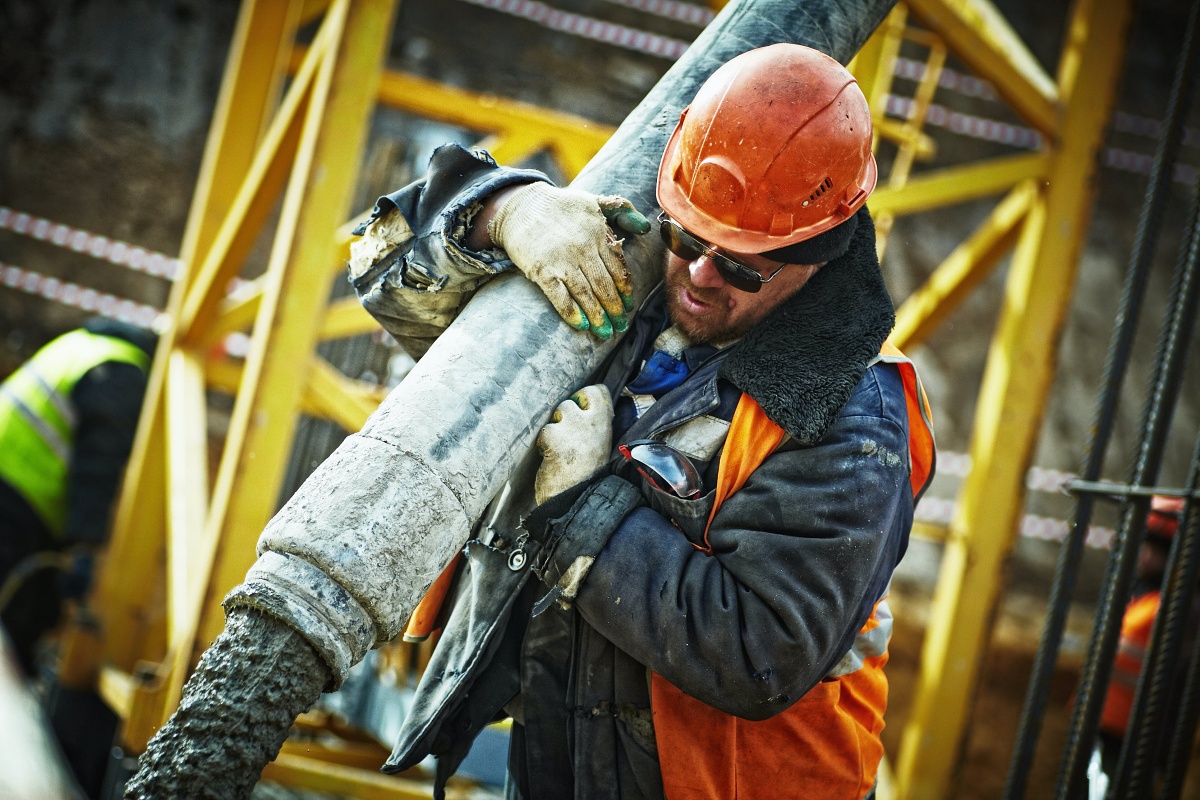
- Physically demanding work. Part of the influence may be the physically demanding work associated with the construction industry. In the course of a day, a person may be responsible for moving hundreds of pounds of materials, operating heavy machinery, and moving around almost constantly throughout a shift. When you're very young, your body might be able to handle this, but as you get older, it becomes harder and more grueling. This can result in greater susceptibility to chronic health conditions, recurring pain, and other troubling symptoms.
- Income limitations. Skilled people in the construction industry can make a good living, but even the best earners aren't typically making a lucrative income. Most people in the construction industry at the ground level are making enough to support their families, but not so much that financial problems aren't relevant.
- Repetitive labor. Good construction supervisors attempt to rotate responsibilities, both to reduce the possibility of injury and to keep the work itself fresh and interesting. Even so, the work you do on a daily basis is quite repetitive, and it can take its toll on you mentally over time. Construction is a hard job, and doing it repeatedly can cause mental and emotional turmoil in some people.
- Injuries and soreness. Even if you wear all the right protective equipment and ensure proper form, working in the construction industry can eventually lead to injuries and chronic soreness. Dealing with chronic pain can be downright unbearable, even for the toughest people.
- Substance use. Substance use is unfortunately common in the construction industry. There are many reasons for this, including the physically demanding work and susceptibility to injury and chronic pain. In any case, increased substance use is correlated strongly with higher suicide rates.
In all likelihood, it is a combination of these factors and others we haven't even considered increasing the rate of suicide among construction workers.
What Employers Can Do
What are employers supposed to do about this?
- Foster a healthy work culture. One of the most important things you can do is foster a healthy work culture. You can't take the physical aspect out of the construction job, but you can make the construction site safer and more supportive. Make sure everyone feels respected, appreciated, and engaged
- Embrace open communication. Maintain an environment of open communication. Encourage employees to tell you how they're thinking and feeling and actively listen to them when they express themselves.
- Acknowledge the difficulties of the job. Make sure to express recognition and sympathy for the difficulties of the job. You can't make it easier, but you can at least acknowledge that it's hard.
- Spread awareness. Awareness is crucial for suicide prevention. Make sure everyone on your team knows the importance of fostering good mental health and the increased risk of mental health issues associated with the construction industry.
- Provide access to resources. Help people find the resources they need to get help. Publicize the suicide hotline, recommend community groups, and connect employees to mental health professionals when necessary.
- Discourage substance abuse. It's also important to maintain a zero-tolerance policy when it comes to substance abuse. Not only can this help construction employees follow better habits and prioritize their own health, but it can also make your job-site safer.
- Watch for warning signs. Be on the lookout for warning signs of suicide. Employees who seem despondent, those who seem to undergo a massive shift in personality, and those who withdraw from work and enjoyable activities are especially at risk.

Construction employers have a responsibility to keep their employees safe, and that extends beyond job-site hazards. As a responsible employer, it's your job to recognize higher than usual suicide rates in your industry and take proactive measures to prevent suicide.
Comments

Powered by RoundtableAn AI/DeFi-powered Enterprise Media Operating System. Learn more at Roundtable.io.© Roundtable 2026. By using this site you agree to the Terms of Use and Privacy Policy