
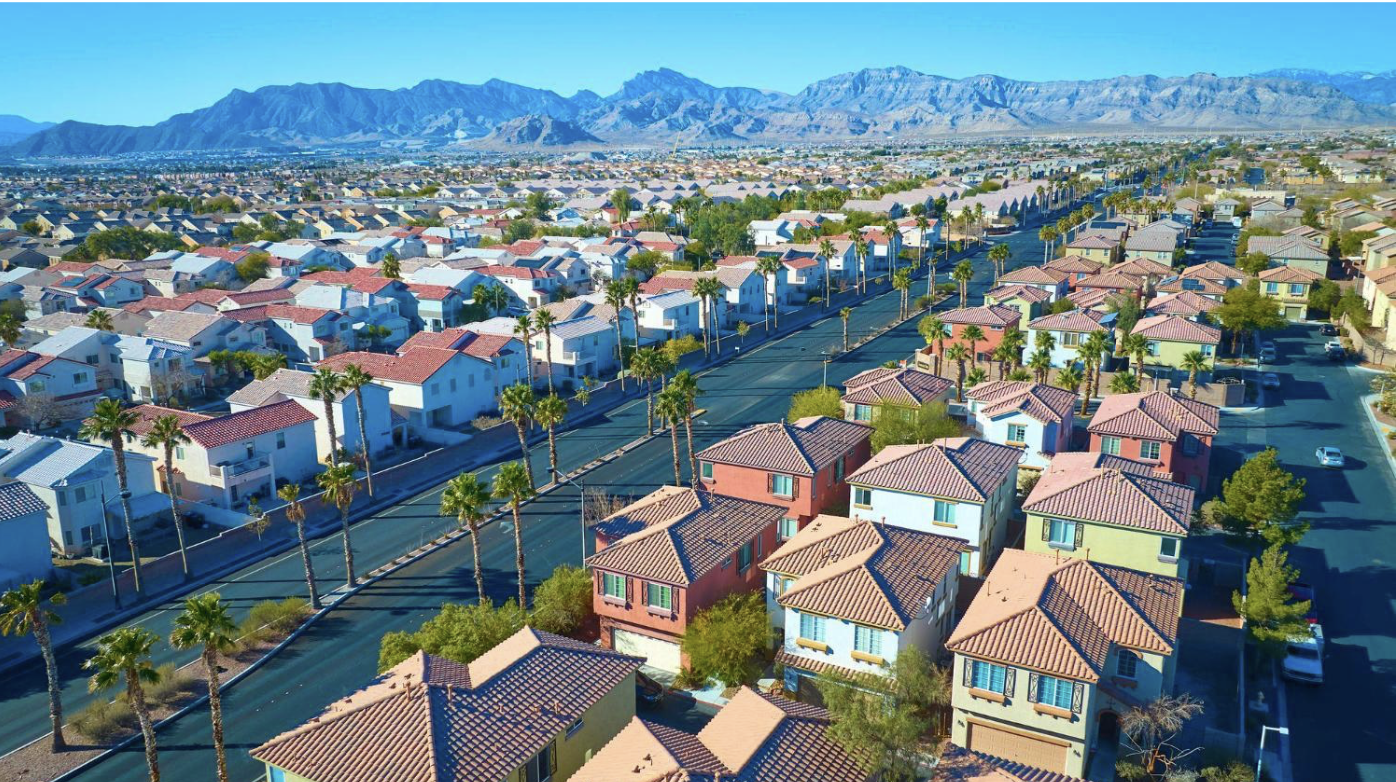
Image by nick7634 on Freepik


Apr 4, 2026 7:00 AM
Updated Apr 9, 2026 5:04 AM
What makes HOAs particularly interesting, and at times controversial, is their role as a form of private governance.
Drive through almost any suburban neighborhood in California and you’ll notice a certain consistency, uniform landscaping, well-maintained common areas, and a visual cohesion that suggests careful oversight. What is less visible, however, is the system responsible for maintaining that order. Behind many of these communities lies a layer of private governance that shapes not only how neighborhoods look, but how they function on a daily basis.
Homeowner associations, or HOAs, have become a defining feature of California’s housing landscape. Once associated primarily with planned developments, they now represent a significant portion of residential living across the state, influencing millions of homeowners and renters alike.
The Scale of HOA Living in California
To understand the role HOAs play, it’s important to first grasp their scale. They are no longer a niche component of suburban development, they are embedded in the structure of modern housing.
Recent HOA statistics in California highlight just how widespread these communities have become, reflecting a steady increase in association-governed housing over the past several decades. For many residents, living within an HOA is not a deliberate choice but simply part of what is available in a constrained and competitive housing market.
Related stories
This widespread presence means that HOAs are not just administrative bodies; they are influential actors in shaping housing access, neighborhood norms, and long-term community development.
A Layer of Governance Beyond the Public Sphere
What makes HOAs particularly interesting, and at times controversial, is their role as a form of private governance. They operate with the authority to enforce rules, collect fees, and manage shared spaces, yet they exist outside traditional municipal systems.
This creates a unique dynamic. On one hand, HOAs can respond quickly to community needs, maintaining infrastructure and addressing issues without the delays often associated with public agencies. On the other hand, their decision-making processes are not always subject to the same transparency or accountability standards.
Residents may find themselves navigating regulations that affect everything from exterior home design to the use of shared amenities. While these rules are intended to preserve property values and community standards, they also raise questions about autonomy and participation.
Housing Affordability and the Cost of Structure
In a state already facing a housing affordability crisis, the presence of HOAs introduces additional financial considerations. Monthly dues, special assessments, and maintenance fees can significantly impact the total cost of homeownership.
Supporters argue that these fees contribute to long-term value by funding maintenance and preventing the kind of deferred upkeep that can degrade a neighborhood over time. Critics, however, point out that these added costs can create barriers, particularly for first-time buyers or lower-income households.
The California Department of Housing and Community Development has consistently emphasized the importance of expanding access to affordable housing across the state. Within this broader conversation, the role of HOAs becomes increasingly relevant, as their financial structures can both support and complicate housing accessibility.
Community Standards and Social Dynamics
Beyond economics, HOAs shape the social fabric of communities. Rules governing property appearance, noise levels, and shared spaces influence how residents interact with their environment, and with each other.
In some cases, this creates a sense of order and predictability that residents value. Well-maintained neighborhoods, clear expectations, and organized community spaces can contribute to a positive living experience.
In others, these same rules can feel restrictive. Disputes over enforcement, perceived inconsistencies, or limitations on personal expression can lead to tension within communities. The balance between collective standards and individual freedom is not always easy to maintain.
The Question of Participation
One of the defining features of HOA governance is that it relies, at least in theory, on resident participation. Boards are often composed of homeowners, and decisions are meant to reflect the interests of the community.
In practice, however, participation levels can vary widely. Many residents remain disengaged until an issue directly affects them, leaving a small group of individuals to make decisions on behalf of a larger population. This can create gaps between governance and representation.
Encouraging broader involvement is often cited as a way to improve transparency and accountability. Yet this requires time, awareness, and a willingness from residents to engage with systems that may feel complex or opaque.
Rethinking the Role of HOAs
As California continues to grapple with housing shortages, rising costs, and evolving community needs, the role of HOAs is likely to remain a subject of discussion. They are not easily categorized as purely beneficial or problematic; instead, they represent a hybrid system that reflects broader tensions within housing policy.
On one level, they provide structure, maintenance, and localized governance that can enhance community stability. On another, they introduce questions about cost, access, and the privatization of decision-making in residential life.
Understanding this duality is essential. HOAs are not just an administrative detail, they are a central component of how housing operates in California today.
Looking Beyond the Surface
The next time a neighborhood appears orderly and well-maintained, it’s worth considering the systems that make that possible. Beneath the surface lies a framework of rules, responsibilities, and decisions that shape the experience of living there.

In California, that framework increasingly takes the form of HOA governance. Its influence extends beyond aesthetics, touching on affordability, participation, and the very structure of community life.
As the state looks toward the future of housing, these invisible systems will continue to play a significant role, whether acknowledged or not.
Comments

Powered by RoundtableAn AI/DeFi-powered Enterprise Media Operating System. Learn more at Roundtable.io.© Roundtable 2026. By using this site you agree to the Terms of Use and Privacy Policy