


Helping Rhinos
Dec 23, 2024 8:00 AM
Updated Dec 25, 2024 8:59 PM
By addressing critical threats such as poaching, habitat loss, and community disengagement, Helping Rhinos is dedicated to ensuring the survival of rhinos and the health of broader ecosystems.
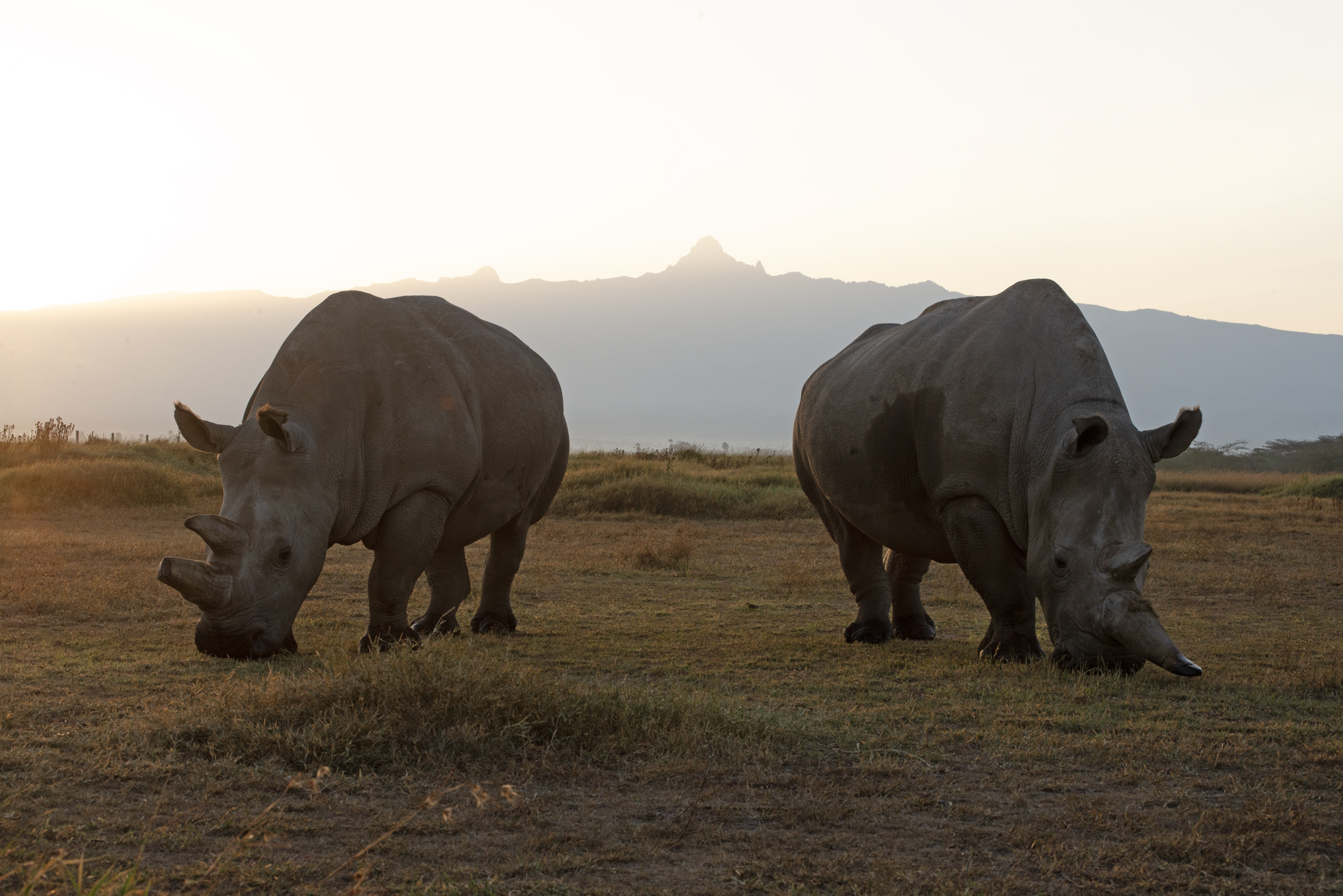
Helping Rhinos was founded with a mission to protect wildlife, preserve habitats, and support the communities that coexist with these natural wonders. Through their innovative Rhino Strongholds initiative, the organization has become a pivotal force in rhino conservation, working to create secure, sustainable ecosystems rich in biodiversity. Their efforts aim not only to increase rhino populations but also to contribute to the socioeconomic stability of local communities. By addressing critical threats such as poaching, habitat loss, and community disengagement, Helping Rhinos is dedicated to ensuring the survival of rhinos and the health of broader ecosystems.
In this interview with Founder & CEO Simon Jones, we explore the journey of Helping Rhinos, the motivations driving their work, and the strategic approaches the organization employs to tackle the challenges facing rhino conservation today.
Staying Informed and Motivated
How does Helping Rhinos stay informed about conservation trends, technological advancements, and ecological challenges affecting rhino habitats?
We ensure we are always up to date with global conservation news and the ever-changing realities from the field through strong communication channels with our project partners on the ground, as well as the latest scientific research around conservation and the environment. This combination of first-hand intel and wider media knowledge has served us well in understanding the bigger picture and ensuring we can relay this effectively to our supporters. Additionally, we conduct annual in-person reviews at most of our project partners, so we see first-hand the latest picture regarding rhino conservation.
Related stories
What motivates your team and partners to continue striving for success in rhino conservation despite the challenges?
On a day-to-day basis, the little wins help to motivate us—such as a new orphan drinking milk for the first time, or a fence being dropped to open up more habitat. These all help to keep us energized. But the greatest motivation is knowing that there is no other option but to keep going. The images of a rhino that has been brutally murdered for its horn are a strong motivation to do all we can to make sure fewer and fewer rhinos suffer the same fate. If we can’t protect a species as iconic and endearing as the rhino, there is little hope for the rest of our natural world, which includes humanity.
Professional Development and Training
How do training and mentorship programs contribute to the professional development of your team and partners on the ground?
Every day in wildlife conservation delivers some form of training. There is always more to learn and always someone who can provide a guiding hand. At Helping Rhinos, we have a number of partners in the field that we work with who provide informal training and mentorship to the team. At the same time, the Helping Rhinos team is able to mentor our partners on the ground on the skills of fundraising and engaging a global support base.
Conservation Priorities
What conservation initiatives is Helping Rhinos currently prioritizing to make a lasting impact on rhino populations and their habitats?
Our Rhino Strongholds initiative is our overarching vision, which all other conservation efforts feed into. Rhino Strongholds are areas of wildlife habitat that provide a secure, sustainable, and healthy ecosystem, which is rich in biodiversity and where populations of rhino and countless other species can thrive in their natural habitat. These Rhino Strongholds also need to contribute to socioeconomic stability within local communities to have an effective and lasting impact. These locations ensure rhino populations have the space and security needed to grow, thereby increasing population numbers and helping rhinos to pull themselves back from the brink of extinction.
Challenges and Emerging Technologies
Are there emerging technologies or conservation strategies that excite or concern your organization?
The development of greater tracking and monitoring abilities through smart tracking devices is very exciting. These devices not only give our rangers a safer and more efficient way to monitor rhinos but can also learn behaviors and alert anti-poaching teams when there are signs of unusual behavior, for example, sudden charging or changes in heart rates. This provides anti-poaching teams with earlier warnings that something is amiss, offering a greater chance of intercepting and arresting poachers before a rhino is lost.
On the flip side, the development of fake rhino horn is a concern. While well-intentioned as a potential substitute for those who look to purchase rhino horn, it is generally thought that this could cause more issues for law enforcement and complicate demand reduction messaging. A constant concern is that poaching syndicates will continue to evolve their criminal practices and stay a step ahead of the conservation groups working tirelessly to protect the rhino.
Qualities of Team Members
What qualities or experiences do you seek when attracting collaborators, volunteers, or new team members to join your mission?
As an organization, our mission is to protect wildlife, preserve their habitats, and provide for the people living alongside them, so any collaborations must fit into and support this long-term vision. All our project partners are carefully chosen, considering these pillars as well as their impact on regional and global rhino population growth. Our team is made up of passionate and dedicated individuals who all share a common goal to protect the rhino in its natural habitat. In wildlife conservation, whether as a core team member or a volunteer, empathy with the natural world is a critical trait, especially given the long hours and often intensive work.
Through detailed insights into their operations, motivations, and strategies, Helping Rhinos exemplifies a commitment to wildlife conservation and community development.
Achievements and Milestones
Can you share some of the notable achievements Helping Rhinos has accomplished over the years?
One of our significant achievements has been the successful establishment of Rhino Strongholds, which has enabled us to create safe havens for rhinos to thrive. We've seen real progress in increasing rhino populations within these secure environments. Additionally, our education and community engagement programs have been instrumental in building awareness and support for rhino conservation across the globe. We are particularly proud of the partnerships we've fostered with key stakeholders, which have been critical in driving conservation efforts forward and delivering tangible results on the ground .
How do you measure the impact of your conservation efforts on rhino populations and their ecosystems?
We employ a combination of quantitative and qualitative methods to measure our impact. Population counts and surveys are essential for tracking rhino numbers within our strongholds, and we also assess the health of the broader ecosystem, observing biodiversity indicators and habitat quality. Importantly, we consider the socioeconomic benefits to local communities, evaluating metrics like employment opportunities created and the impact on local livelihoods. Regular feedback from our field partners and the communities we work with provides valuable qualitative insights that help us gauge our progress .
Vision for the Future
What is Helping Rhinos' long-term vision for rhino conservation, and how do you plan to achieve it?
Our long-term vision is to secure a future where rhinos not only survive but thrive in their natural habitats. To achieve this, we are focused on expanding our Rhino Strongholds and ensuring they are well-managed and adequately protected. We aim to increase collaboration with governments, local communities, and international organizations to amplify our impact. Education and raising awareness remain central to our strategy, as we believe that fostering a global community of conservation advocates is key to lasting change .
How does Helping Rhinos plan to adapt to potential challenges and changes in the conservation landscape in the coming years?
Flexibility and adaptability are crucial in conservation. We recognize the need to stay ahead of emerging threats, such as evolving poaching techniques and climate change impacts. Our strategy involves staying informed about new technologies and conservation methodologies that could enhance our efforts. We are committed to continuous learning and innovation and maintaining strong partnerships that allow us to respond quickly to new challenges. By integrating local knowledge and scientific research, we believe we can effectively navigate the complexities of wildlife conservation .
Engaging the Global Community
How does Helping Rhinos engage with the global community to support its initiatives and raise awareness about rhino conservation?
Engagement with the global community is vital to our mission. We utilize various platforms, including social media, webinars, and events, to connect with supporters worldwide and share stories from the field. Our educational programs target schools and universities, inspiring the next generation of conservationists. We also collaborate with influencers and celebrities to amplify our message and reach wider audiences. By fostering a sense of global responsibility, we aim to mobilize resources and support for rhino conservation efforts .
Future Projects and Initiatives
Can you tell us about any upcoming projects or initiatives that Helping Rhinos is excited to launch?
We are excited to expand our Rhino Strongholds initiative, with plans to establish new secure habitats in regions experiencing high poaching pressure. Additionally, we are developing programs focused on community empowerment, aiming to enhance local livelihoods through sustainable practices. Our partnership with technology firms is set to advance the use of innovative tools for wildlife monitoring and anti-poaching efforts. These initiatives are designed to reinforce our commitment to holistic conservation that benefits both rhinos and the communities they share their land with .
What role do you see Helping Rhinos playing in the broader context of wildlife conservation in the future?
Rhinos aims to serve as a model for integrated conservation practices that link ecological health with community well-being. We hope to influence policy at national and international levels, advocating for stronger protection measures and sustainable development policies. By sharing our successes and learnings, we seek to inspire other organizations and communities to adopt similar approaches. Ultimately, we aspire to contribute meaningfully to global efforts to halt biodiversity loss and ensure a harmonious coexistence between humans and wildlife .

We would like to thank Simon Jones and his team at Helping Rhinos for their unwavering dedication and the impactful work they do in the field of rhino conservation. Through their strategic initiatives and commitment to collaboration, Helping Rhinos continues to make a profound impact globally. Their forward-thinking approach is instrumental in shaping a future where these remarkable creatures can thrive in harmony with the communities around them.
Comments

Powered by RoundtableAn AI/DeFi-powered Enterprise Media Operating System. Learn more at Roundtable.io.© Roundtable 2026. By using this site you agree to the Terms of Use and Privacy Policy