


Jun 9, 2026 7:00 AM
Updated Jun 12, 2026 11:46 PM
In March, FBI Director Kash Patel sat in front of a congressional committee and confirmed something that should have been a far bigger story than it became. The bureau, he said, buys data about Americans. Those include records of where they have physically been, all bought from private companies. It’s not even data about suspects with warrants attached. Data about ordinary citizens. It is all purchased, just like the way an office buys printer paper.
Starting there, this admission cuts through an assumption a lot of people still carry around: the surveillance is something the government does to other people, somewhere else, and with a judge watching. The system this piece describes does not work that way. It runs on regular lives, and the device feeding it is usually the phone in your pocket.
When the surveillance software is on the device
Buying data is the quiet route, and there is a louder one. Spyware firms sell programs that climb inside a phone and stay there, reading messages, switching on the microphone, copying photographs, and sometimes without the owner ever tapping anything.
ICE signed a $2 million contract with one of those firms, Paragon Solutions. This April, the agency told Congress it had used Paragon’s tool, called Graphite, in drug cases. The same tool has already been found on the phones of the European journalists and opposition politicians, infections traced by security researchers at Canada’s Citizen Lab. That is the recurring pattern with these capabilities. Once they exist, the definition of a legitimate target keeps stretching.
Related stories
A few signs your device may be compromised
State-sponsored spyware of that kind is an extreme case, and most people will never encounter it. What is far more common and far closer to home would be the ordinary malware: the viruses, Trojans, keyloggers, and stalkerware that hackers deploy against regular users. There are many indicators of hidden malware, and you do not need to be a specialist to notice when something is wrong. The most common signs include a fan running loudly, weird processes in your task manager, or even your mobile data being drained faster than your habits can explain. If you notice anything off the normal, it is worth running a scan with reputable software.
With that in mind, you should be familiar with what the common malware types do. For instance, a keylogger can capture your banking passwords silently, while stalkerware can help someone track your location without your knowledge. These are unfortunately widespread and, unlike government contracts, they are what normal people face.
Surveillance state buying data, not seizing
The Fourth Amendment forces the surveillance state to get a warrant before it searches your home or phone, but it says nothing about a company selling your data to a federal agency on the market. Lawyers call that the data broker loophole. Here is how it works: a weather app or a game logs your location every few minutes, sells that to a broker, and the broker bundles your movements with millions of other people. Then, an agency writes a check without a judge, notice, or seizure.
The budgets show this is not an experiment, as last year’s federal spending law handed the Department of Homeland Security about $165 billion, and roughly $86 billion of that went to Immigration and Customs Enforcement. Some of it pays private contractors to build software that takes all the scattered scraps, like phone pings, license-plate reads, and doorbell cameras. Then, it reassembles them into one timeline of a person’s week. Investigators have a name for a file like that, which is called a pattern of life. It can know everything from where you sleep to whose door you keep coming back to.
A few state officials have started to fight it, though. In March, California Attorney General Rob Bonta and sixteen other attorneys general sent Congress a letter demanding that lawmakers close the data-broker loophole. They’re requiring warrants before federal agencies can buy these records. Bonta’s point was plain enough: the data Americans give off every day can be bought, and no federal law currently stops it.
Selling to the public as “public safety”
Unfortunately, none of this is pitched to voters as straight-up spying. It arrives wrapped in softer language. They often mention it as AI for public safety, which is a phrase that carries weight now, turning up in grant applications and press releases for systems that scan faces in a crowd, read every plate on the road, and flag who will commit a crime before anyone has.
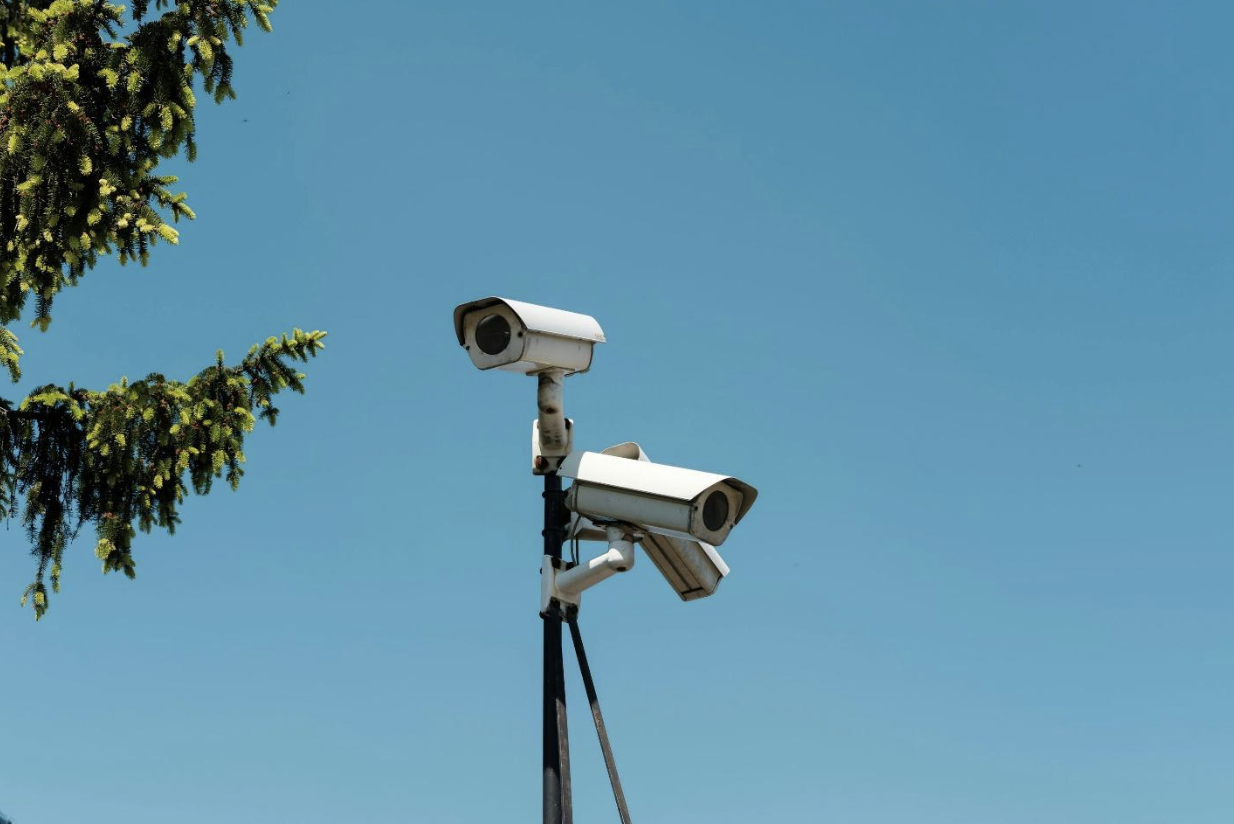
Reporting on leaked Homeland Security material describes funding for tools that biometrically screen travelers at airports and convert agents’ phones into face scanners. Government surveillance cameras, under this act, are barely cameras anymore, as they become sensors wired into a system built to remember much more than just a photo.
However, there is a real flaw hiding inside the word “predict.” Any system that forecasts crime has to learn from old data, and old data carries every bias that created it. That includes racial profiling and stereotyping. Police records shaped by decades of heavy policing in certain neighborhoods will teach a model to send officers straight back to those same blocks, and then count the resulting arrests as proof it was right.
The Trump administration’s national AI plan, released in March, pulls hard in the wrong direction. It calls for spreading these tools much faster, tells states to stop regulating them, and instructs agencies not to buy AI that has been adjusted to correct bias. It does sound quite backwards in its own way. Take that correction out, and you do not get a neutral system at all, but you get a biased one with the warning light unscrewed.
What is actually left to us
We must be honest about what an individual can and cannot change here. Working through your app permissions, switching off your phone’s advertising ID, filing opt-out requests with major brokers, and scanning for spyware should be part of the plan. All of this genuinely shrinks how much of you is available to buy. Yet, none of it stops an agency with tens of billions to spend, so both things are true at the same time, and they sit next to each other in a weird state.
The bigger problem was never technical. A surveillance tool this huge got built without most of the public being aware or being asked, and it keeps running because the data keeps flowing, and nobody with the authority to shut the valve has bothered to think about it. The loophole was written by people, and while it still exists, we’ll be exposed. People can definitely close it, but only if enough of us make staying quiet the more expensive option.
Comments

Powered by RoundtableAn AI/DeFi-powered Enterprise Media Operating System. Learn more at Roundtable.io.© Roundtable 2026. By using this site you agree to the Terms of Use and Privacy Policy