


Jul 11, 2025 7:00 AM
Updated Jul 16, 2025 4:29 AM
As automated technologies gain prominence in maritime logistics, legal systems worldwide are being compelled to adapt.
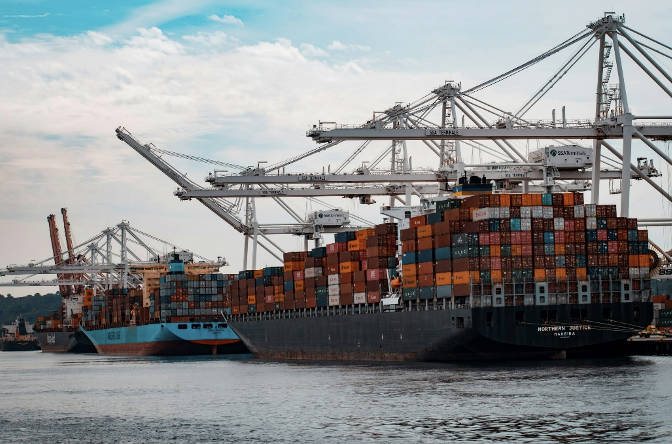
Automation is reshaping every major industry, and global shipping is no exception. The integration of robotics, artificial intelligence (AI), and advanced data analytics has led to the emergence of highly autonomous vessels, automated ports, and intelligent cargo tracking systems. These developments promise faster transit times, cost savings, and reduced human error. However, while the advantages are substantial, the transition toward automation also presents a complex array of legal challenges. From liability in the event of malfunctions to regulatory inconsistencies across jurisdictions, the legal implications are vast and continually evolving.
As automated technologies gain prominence in maritime logistics, legal systems worldwide are being compelled to adapt. Traditional maritime laws were not designed to accommodate a world where ships can navigate themselves, or where port operations function with minimal human oversight. The very nature of accountability and risk management changes when software and machines perform tasks that once required trained personnel to perform. Questions surrounding liability, cybersecurity, labor displacement, and environmental compliance are at the center of ongoing debates.
In this context, navigating the shifting legal terrain of global shipping automation demands not only awareness but also proactive legal strategies.
Addressing Legal Complexity Through Maritime Expertise
Maritime law, or admiralty law, governs activities that take place on navigable waters, including shipping, navigation, waterside labor, and the transport of goods and passengers. This legal framework provides rules for dispute resolution, safety regulations, environmental standards, and liability assignment in the maritime domain. Given the complexity and breadth of issues arising from automation, legal entities with specialized expertise in this niche are essential.
Related stories
One effective step for companies aiming to mitigate risk and maintain compliance is to engage an experienced admiralty law firm. These firms possess the nuanced understanding necessary to interpret emerging legal precedents and regulatory frameworks tied to autonomous vessel operation and automated shipping systems.
From drafting contracts for the deployment of AI-powered navigation to litigating accidents involving automated cargo handling systems, such firms are pivotal in ensuring smooth legal operations. Their services go beyond basic compliance by helping stakeholders anticipate challenges and structure their operations to be resilient in an evolving legal environment.
Liability and Risk in Autonomous Operations
One of the most pressing legal questions in global shipping automation pertains to liability. When a crewed ship collides with another, fault can typically be determined by assessing the conduct of the crew. But when an autonomous ship is involved in an incident, assigning blame becomes more complex. Is the ship's manufacturer liable for an error in its AI system? Does fault lie with the software developer, the cargo owner, or the company operating the vessel?
Such uncertainties challenge the foundational principles of maritime liability. As shipping companies integrate various third-party systems into a single automated operation, disentangling the responsible party in the event of failure requires a forensic understanding of technology and legal accountability. The lack of consistent international regulation regarding autonomous systems further complicates matters.
Regulatory Fragmentation and Jurisdictional Challenges
The global nature of maritime shipping means that vessels routinely operate across multiple jurisdictions, each with its regulatory framework. Automation has exposed gaps and inconsistencies in national laws regarding autonomous vehicles, data privacy, cybersecurity, and labor protections. While one country may welcome autonomous ships in its ports, another may prohibit them entirely due to safety concerns or regulatory conservatism.
This fragmentation creates significant hurdles for shipping companies. To ensure uninterrupted operations, companies must comply not only with the rules of the flag state (the country in which a ship is registered) but also with the laws of every coastal state whose waters they transit. With no unified global standard yet in place for autonomous shipping, these discrepancies lead to unpredictable legal exposure. Stakeholders may face fines, operational delays, or even vessel seizures based on differing interpretations of technology use and compliance expectations.
Cybersecurity and Data Governance in Maritime Automation
Another critical legal area impacted by automation is cybersecurity. Automated ships and ports are reliant on digital communication, satellite navigation, and cloud-based systems to function efficiently. These digital infrastructures are vulnerable to cyberattacks that can lead to cargo theft, navigation errors, or full-scale system shutdowns. The legal consequences of such breaches are substantial and not clearly defined under traditional maritime laws.
In response, regulators are drafting cybersecurity guidelines tailored to the maritime sector. However, the pace of regulatory development often lags behind technological advancements, leaving temporary gaps in enforcement and accountability. Questions surrounding who bears the responsibility for implementing cybersecurity measures—the shipowner, the tech provider, or the software vendor—remain contested.
Environmental Compliance and Automation Technologies
Environmental laws governing maritime activity have become increasingly stringent in recent years, with heightened global attention on emissions, fuel consumption, and ballast water discharge. Automation offers some relief by enabling optimized routing, energy-efficient operations, and real-time monitoring of emissions. However, it also brings new challenges.
For instance, the use of automated machinery and software to regulate fuel systems or emissions introduces another layer of complexity in compliance monitoring. If a system malfunctions and leads to an environmental violation, determining whether the error was due to human oversight, software glitch, or mechanical failure becomes a legal quagmire.
Labor Law Repercussions in a Shifting Industry
The reduction of onboard crews and dockside workers due to automation raises significant labor law considerations. Maritime labor conventions currently establish standards for worker rights, safety, and compensation. However, these frameworks are based on traditional manned shipping models. Automation challenges these standards by creating roles that are either relocated to remote operational centers or eliminated.
The transition may lead to disputes over job displacement, worker retraining, and union negotiations. In some regions, labor unions are already resisting automation plans, citing safety risks and job losses. Legal disputes may arise over the extent to which shipping companies are obligated to provide transition assistance, redundancy packages, or retraining programs.
Furthermore, when an automated system replaces human decision-making, questions arise about how standards for negligence or gross misconduct apply in such cases. Labor law frameworks must evolve to clarify how responsibility is distributed when machines, rather than humans, are in control of operations.
Global shipping automation is reshaping not only the logistics landscape but also the legal frameworks that underpin it. The combination of AI, robotics, and machine learning is introducing profound changes in how maritime activities are governed, policed, and litigated.

Regulatory bodies, shipping operators, and legal experts must collaborate to update and harmonize existing laws to reflect the evolving technological landscape. Until then, the risks—both operational and legal—will continue to grow alongside the industry’s rapid automation.
Comments

Powered by RoundtableAn AI/DeFi-powered Enterprise Media Operating System. Learn more at Roundtable.io.© Roundtable 2026. By using this site you agree to the Terms of Use and Privacy Policy