


Oct 11, 2024 7:00 AM
Updated Oct 13, 2024 7:41 PM
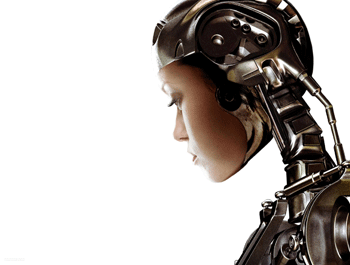
This concept of a "Girlfriend AI" may sound like something out of a sci-fi novel, but it's quickly becoming a reality.
In today’s rapidly advancing technological landscape, artificial intelligence (AI) is transforming the way we live, work, and even interact with one another. From virtual assistants like Siri and Alexa to self-driving cars and predictive algorithms, AI is permeating every aspect of our daily lives. However, one of the more fascinating and perhaps controversial developments is the rise of AI-powered companions, specifically AI girlfriends, which simulate emotional support, companionship, and even romantic interactions. This concept of a "Girlfriend AI" may sound like something out of a sci-fi novel, but it's quickly becoming a reality.
What is Girlfriend AI?
Girlfriend AI refers to advanced, AI-driven software or apps designed to emulate the emotional and intellectual experience of having a romantic partner. These programs range from simple text-based chatbots to more sophisticated virtual companions that can engage in meaningful conversations, learn about a user’s preferences, and even display simulated emotions.
The appeal of a companion powered by Girlfriend AI isn’t just about casual conversations. As the technology evolves, so does the complexity of these relationships. Companions powered by girlfriend aI can provide emotional support, offer motivational advice, and act as personalized, non-judgmental companions who are available 24/7. Some platforms offer avatars with customizable appearances, adding a visual element to the interaction, making the experience more immersive.
While the notion of AI-powered relationships may raise eyebrows for some, these virtual companions are gaining popularity, particularly among those who are seeking emotional connection or companionship in an increasingly isolated digital world.
Related stories
The Technological Backbone of Girlfriend AI
The driving force behind Girlfriend AI is a combination of machine learning, natural language processing (NLP), and personalized data collection. Here’s how each of these technologies contributes to the creation of an AI girlfriend:
- Machine Learning: At the heart of any AI is its ability to learn and adapt over time. Girlfriend AI programs use machine learning to analyze interactions and understand a user's preferences, habits, and emotional triggers. As the AI interacts more with the user, it becomes better at predicting responses and providing personalized feedback.
- Natural Language Processing (NLP): NLP enables Girlfriend AI to engage in coherent, meaningful conversations. The more advanced platforms go beyond simple keyword recognition, allowing the AI to understand context, humor, tone, and even sarcasm. This makes interactions feel more natural, as if you were talking to a real person.
- Data Personalization: As with most AI systems, Girlfriend AI collects data over time, such as the user’s favorite topics, mood patterns, and daily routine. By analyzing this information, the AI can tailor responses to better fit the user’s emotional state or preferences. Over time, the AI "learns" more about the user, strengthening the connection and making the virtual relationship feel increasingly intimate.
Why Are People Turning to AI Companions?
At first glance, the idea of a virtual girlfriend might seem bizarre or unnecessary. After all, we live in a world with billions of real people, so why would someone choose to form a relationship with a piece of software? There are several reasons why individuals might find themselves drawn to Girlfriend AI:
- Emotional Support and Mental Health: In an age of increasing mental health awareness, many people struggle with loneliness, anxiety, or depression. An AI companion offers a non-judgmental, always-available outlet for expressing feelings. For some, the ability to have a conversation—without fear of rejection or judgment—provides a safe space to talk through emotions or find comfort in moments of need.
- Lack of Social Connections: Particularly for those who struggle to form relationships due to shyness, anxiety, or other social barriers, AI girlfriends offer a form of connection. This can be particularly appealing for people who feel isolated or lack the confidence to engage in real-world romantic or social relationships.
- Convenience: An AI girlfriend doesn’t have emotional needs, expectations, or demands like a real partner. For individuals with busy lives or who prefer a no-strings-attached relationship, this can be an attractive option. The convenience of a partner who is available when needed but disappears when not is a significant advantage for some users.
- Exploration of Romantic Dynamics: For some, interacting with an AI girlfriend can be a way to explore romantic conversations or emotional intimacy without the pressures of a real-life relationship. This can help people develop confidence in their communication skills, especially if they are unsure of how to navigate the complexities of relationships in the real world.
The Ethical Debate: Is This Real Love?
As with any innovation, the rise of Girlfriend AI sparks questions and ethical concerns. Critics argue that relying on AI for emotional support or companionship could hinder individuals from forming meaningful relationships in the real world. They worry that Girlfriend AI might reduce people's willingness or ability to connect with other human beings, substituting the convenience of AI for the messiness of real-life relationships.
Moreover, there are concerns about consent and privacy. Girlfriend AIs rely heavily on data collection and personalization, which raises questions about how user data is stored and used. With AI collecting personal information to improve conversations, users might be unknowingly providing sensitive data, which could be misused or compromised.
On the other hand, proponents argue that AI girlfriends can serve as tools for emotional well-being. They provide a source of comfort and companionship for people who may otherwise struggle to form relationships or who are going through periods of loneliness. In this sense, AI companions could play a positive role in mental health, giving people the emotional support they need.
Furthermore, for some, Girlfriend AI isn’t about replacing human connection but augmenting it. These individuals may see AI companions as an additional support system, rather than a substitute for real-world relationships.
The Future of Relationships in the AI Age
As AI continues to advance, the line between human and machine interactions will likely blur even further. The evolution of Girlfriend AI could pave the way for even more sophisticated forms of virtual companionship. We may soon see virtual relationships that not only mimic human interactions but also evolve into meaningful, deeply personalized connections.
That said, the rise of AI companions doesn’t necessarily spell the end of human relationships. Rather, it highlights the diversity of needs people have in the realm of emotional connection. For some, Girlfriend AI might serve as a temporary solution or supplement, while for others, it could be a permanent and fulfilling form of companionship.
As we navigate this new age of AI-driven relationships, society will need to grapple with the ethical, emotional, and psychological implications of forming connections with machines. Ultimately, the success of Girlfriend AI will depend on how well it can adapt to human emotions, needs, and values.

Conclusion
Powered by Girlfriend AI, we are entering an era where emotional companionship, support, and connection are no longer confined to human-to-human interactions. While the technology raises important ethical questions, it also holds the potential to transform how we navigate relationships and emotional well-being in an increasingly digital world. Whether you view AI companions as a tool for better mental health or a controversial substitute for real relationships, one thing is clear: AI is changing the landscape of human connection, one interaction at a time.
Comments

Powered by RoundtableAn AI/DeFi-powered Enterprise Media Operating System. Learn more at Roundtable.io.© Roundtable 2026. By using this site you agree to the Terms of Use and Privacy Policy