


Sep 30, 2024 7:00 AM
Updated Oct 14, 2024 8:48 PM
When selecting a garbage compactor, it is important to consider the type of waste being generated and the volume of waste produced.
A garbage compactor is a machine designed to compress waste materials into smaller, more manageable sizes. These machines are commonly used in homes, businesses, and industrial settings to reduce the volume of waste, making it easier and more cost-effective to transport and dispose of. Garbage compactors offer several benefits, from saving space to promoting more sustainable waste management practices.
What is a garbage compactors?
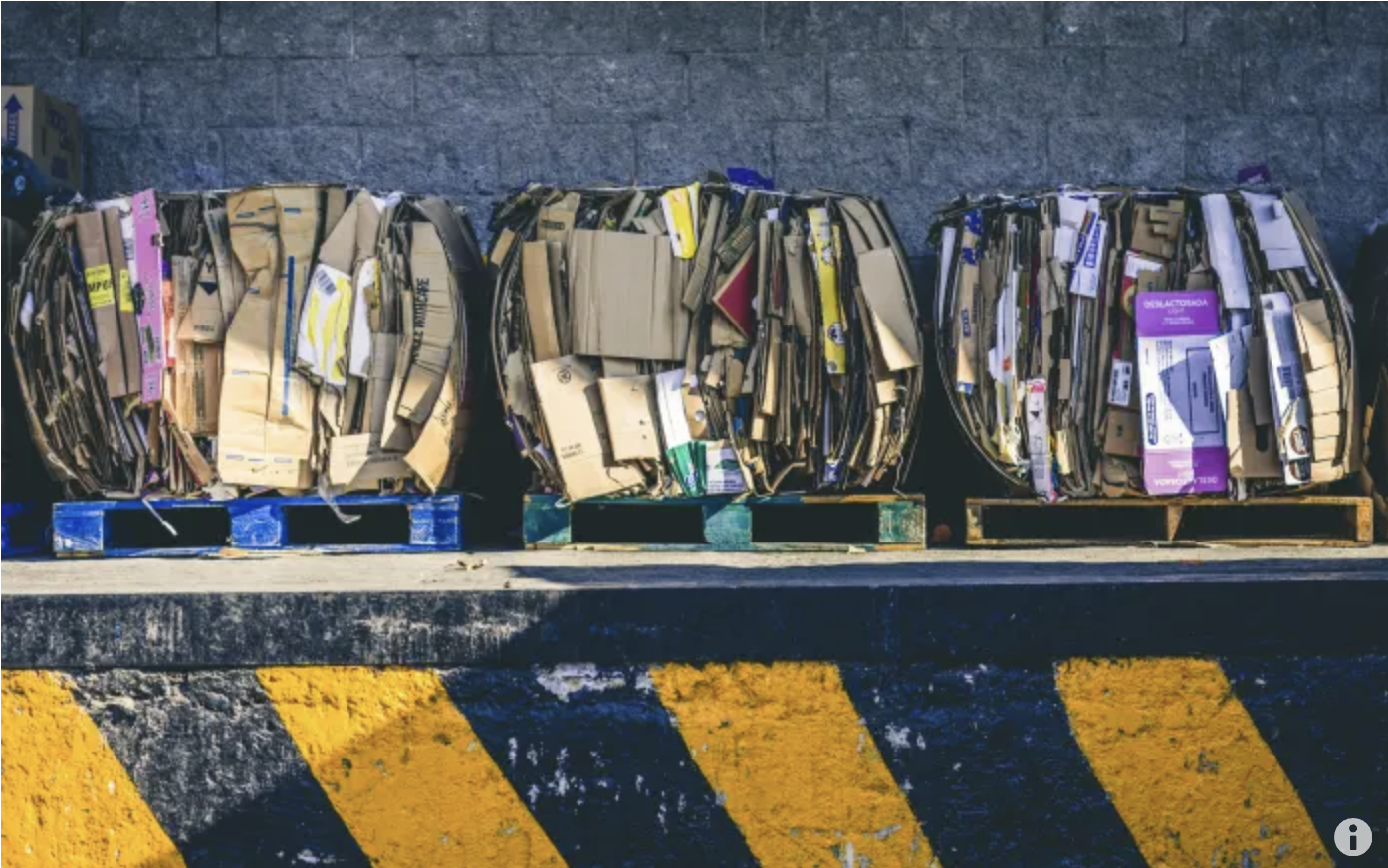
A garbage compactor works by compressing waste using a hydraulic press. The waste is placed in a chamber, and once it is full, the machine’s pressing plate pushes down on the waste, significantly reducing its volume. The compressed waste is then either stored in a bin or formed into a bale, depending on the type of compactor used. By reducing the size of the waste, garbage compactors help save space, lower transportation costs, and minimize the frequency of waste collections.
Types of garbage compactors
Related stories
Residential garbage compactors: These smaller compactors are typically found in homes and are often installed in kitchens. They are designed to compress everyday household waste, such as food scraps, packaging, and paper, into smaller sizes, allowing families to reduce the number of trash bags they use and the frequency of garbage pickups.
Commercial garbage compactors: These machines are larger and more powerful than residential models and are used by businesses such as restaurants, offices, and retail stores. Commercial compactors handle higher volumes of waste, including packaging, cardboard, and food waste. By compacting this waste, businesses can reduce their disposal costs and improve waste storage efficiency.
Industrial garbage compactors: Industrial compactors are heavy-duty machines used by factories, warehouses, and construction sites to compress large amounts of waste, such as scrap metal, wood, and bulky materials. These machines help industries manage significant waste output and comply with environmental regulations, reducing the amount of waste sent to landfills.
Benefits of using a garbage compactors
Space savings: One of the primary benefits of a garbage compactor is the ability to save space. Compacted waste takes up much less room than loose waste, which is especially beneficial for businesses with limited waste storage areas. This also means that fewer waste containers are needed, helping to keep spaces clean and organized.
Cost efficiency: By reducing the volume of waste, garbage compactors help lower the number of waste collections required. Fewer trips to the landfill or recycling center translate into reduced transportation and disposal costs. For businesses, this means significant savings on waste management expenses.
Environmental impact: Garbage compactors contribute to more sustainable waste management practices. By compacting waste, businesses and households can reduce the amount of waste sent to landfills, which helps conserve landfill space. Additionally, compactors can help separate recyclable materials from general waste, ensuring that more materials are properly recycled.
Hygiene and odor control: Compactors help contain waste in sealed bins or bales, reducing the spread of odors and the attraction of pests. This is particularly important for businesses handling food waste, such as restaurants and grocery stores. Compactors improve cleanliness and create a more pleasant environment for employees and customers.
Choosing the right garbage compactors
When selecting a garbage compactor, it is important to consider the type of waste being generated and the volume of waste produced. For homes, a smaller residential compactor may be sufficient, while businesses and industrial settings may require larger, more robust models. Additionally, space availability and the specific needs of the operation should be considered to ensure the right fit.
Regular maintenance is also necessary to keep the compactor functioning properly. Many manufacturers offer service packages that include routine inspections and repairs, ensuring that the machine continues to operate efficiently and safely.
A valuable tool for modern waste management

Garbage compactors play an essential role in reducing the volume of waste, improving space efficiency, and lowering disposal costs. Whether used in a residential, commercial, or industrial setting, these machines provide a practical solution for managing waste more effectively and sustainably. By compressing waste into smaller, more manageable sizes, garbage compactors help create cleaner environments and support long-term sustainability efforts.
Comments

Powered by RoundtableAn AI/DeFi-powered Enterprise Media Operating System. Learn more at Roundtable.io.© Roundtable 2026. By using this site you agree to the Terms of Use and Privacy Policy