


Aug 9, 2024 7:00 AM
Updated Jul 19, 2026 3:28 AM
Explore how video games are promoting social justice by tackling themes like equality and diversity, and learn about platforms like FlashDash Casino and the importance of gaming wellness balance.
Gaming for Change: Video Games as Tools for Social Justice
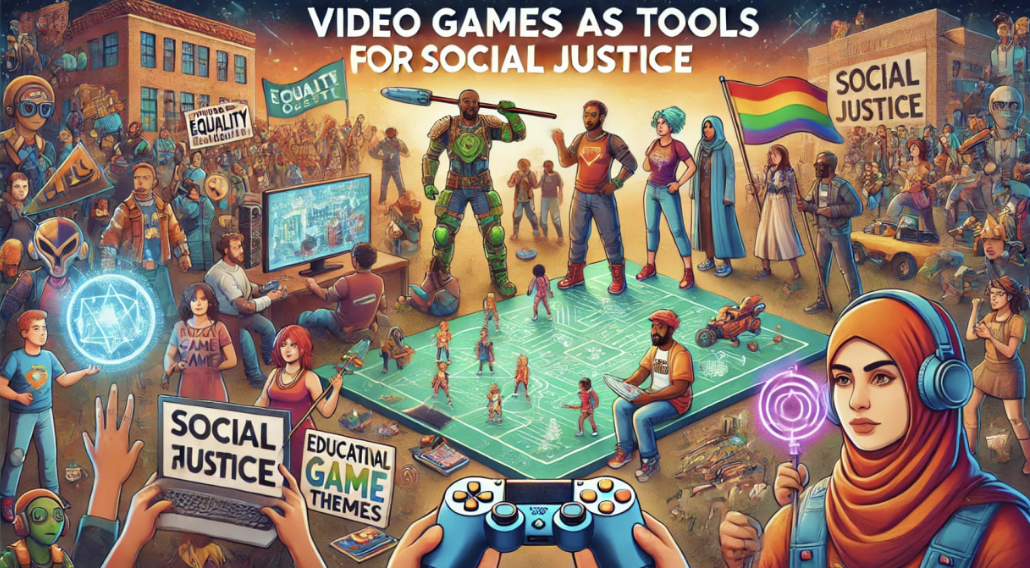
The gaming industry has long been a source of entertainment, but it is increasingly becoming a platform for social change. Video games are now being used to address pressing social issues, offering players an immersive way to learn about and engage with topics such as equality, diversity, and human rights. This transformative potential of gaming is evident in titles that incorporate activism into their gameplay, educating and inspiring players to take action in the real world.
In addition to fostering social awareness, the gaming industry offers a variety of online platforms that provide unique gaming experiences. One such platform is FlashDash Casino, which has gained popularity for its diverse range of games and exceptional user interface. For a comprehensive look at what this platform has to offer, you can read a detailed FlashDash casino review.
As we enjoy the thrills of online gaming, it's crucial to maintain a gaming wellness balance. Understanding how to balance play and wellness is essential for both mental and physical health. To learn more about achieving this balance, check out this article on gaming wellness balance.
The Role of Video Games in Promoting Social Justice
Historical Context
The use of video games to promote social justice is not entirely new. Early educational games aimed to teach players about various social issues, but the sophistication and reach of modern games have taken this concept to new heights. Today, games are more immersive and narrative-driven, making them powerful tools for social education and advocacy.
Related stories
How Games Incorporate Social Justice Themes
1. Narrative and Storytelling
One of the most effective ways games promote social justice is through their narratives. By weaving social issues into the storyline, developers can create empathy and understanding among players. Life is Strange is a prime example, as it tackles topics such as bullying, mental health, and LGBTQ+ issues, offering players a chance to experience these challenges firsthand. The game’s episodic nature allows for deep exploration of these themes, giving players time to reflect on the consequences of their choices. The narrative-driven approach helps to humanize complex social issues, making them more relatable and understandable for players. By immersing players in the lives of characters facing these issues, games can foster a deeper emotional connection and a better understanding of the challenges faced by marginalized communities.
2. Character Diversity
Character representation is another critical aspect of how games promote social justice. Games that feature diverse characters allow players to see themselves reflected in the media they consume, which can be empowering. The Last of Us Part II is praised for its diverse cast, including strong female leads and LGBTQ+ characters, highlighting the importance of inclusivity in gaming. This representation can challenge stereotypes and promote a more inclusive culture within the gaming community. When players encounter characters from different backgrounds and identities, it broadens their perspectives and promotes empathy. This diversity in character design and storytelling helps to normalize different identities and experiences, contributing to a more accepting and inclusive society.
3. Gameplay Mechanics
Some games integrate social justice into their mechanics, providing players with interactive experiences that reflect real-world issues. For instance, Papers, Please puts players in the shoes of an immigration officer, forcing them to make ethical decisions that reflect real-world dilemmas about immigration and authority. This mechanic not only educates but also immerses players in the complexity of these issues. By simulating the challenges and moral ambiguities faced by immigration officers, the game encourages players to think critically about the policies and systems that govern immigration. This interactive approach allows players to engage with social issues in a meaningful way, fostering a deeper understanding of the complexities and ethical considerations involved.
Impact on Players and Communities
1. Raising Awareness
Video games have a broad reach, making them excellent tools for raising awareness. Games that address social issues can bring these topics to a wider audience, many of whom might not encounter these issues in their daily lives. For example, This War of Mine provides a civilian perspective on war, highlighting the impact of conflict on ordinary people. By focusing on the experiences of civilians rather than soldiers, the game sheds light on the often-overlooked human cost of war. This perspective helps to raise awareness about the realities of conflict and encourages players to think about the broader implications of war on society. The game’s realistic portrayal of the struggles faced by civilians in war-torn areas can evoke a strong emotional response, fostering empathy and a deeper understanding of the impact of war.
2. Fostering Empathy
By allowing players to step into the shoes of someone experiencing social injustice, games can foster empathy. This emotional engagement can lead to a deeper understanding and a greater willingness to support social causes. Studies have shown that games like Gone Home, which explores LGBTQ+ themes, can increase empathy and reduce prejudice among players. The game’s narrative-driven approach allows players to explore the protagonist’s journey of self-discovery and acceptance, fostering a deeper emotional connection and understanding of LGBTQ+ experiences. This empathetic engagement can translate into real-world support for social causes and a greater willingness to advocate for equality and justice. By humanizing the experiences of marginalized communities, games can promote empathy and understanding, contributing to a more inclusive society.
3. Community Building
Online multiplayer games and forums create spaces where players can discuss and advocate for social issues. Communities formed around games like Overwatch, which features diverse characters and promotes teamwork, often engage in discussions about representation and inclusivity, both in the game and in real life. These communities can become platforms for advocacy and support, where players can share experiences, offer advice, and organize events to promote social justice. The collaborative nature of these games encourages players to work together towards common goals, fostering a sense of community and solidarity. By providing a space for players to connect and engage with social issues, online gaming communities can play a significant role in promoting social justice and inclusivity.
Examples of Games Promoting Social Justice
Life is Strange
This episodic adventure game tackles numerous social issues, including bullying, mental health, and LGBTQ+ rights. Players' choices impact the storyline, providing a sense of agency and involvement in these critical issues.
The Last of Us Part II
Praised for its narrative depth and character diversity, this game features strong female leads and LGBTQ+ characters, challenging traditional gender roles and promoting inclusivity.
Papers, Please
This indie game puts players in the role of an immigration officer, highlighting the ethical and moral dilemmas of border control and the impact of immigration policies on individuals.
This War of Mine
Offering a civilian perspective on war, this game underscores the human cost of conflict and challenges players to make difficult decisions for survival, emphasizing the harsh realities faced by those in war zones.
Gone Home
A narrative exploration game that delves into LGBTQ+ themes, encouraging players to explore and understand the protagonist's journey of self-discovery and acceptance.
The Future of Social Justice in Gaming
Technological Advancements
As technology advances, the potential for games to promote social justice increases. Virtual reality (VR) and augmented reality (AR) can provide even more immersive experiences, allowing players to engage with social issues on a deeper level. Imagine a VR game that simulates the experience of refugees, offering players a firsthand perspective on their struggles and resilience.
Collaboration with Activists and Educators
Collaboration between game developers, activists, and educators can lead to more accurate and impactful representations of social issues. By working together, they can ensure that games not only entertain but also educate and inspire players to take action.
Expanding Reach and Accessibility
Making games accessible to a broader audience is crucial for maximizing their impact. This includes considering players with disabilities and ensuring that games are available in multiple languages. Accessibility features, such as subtitles and customizable controls, can make games more inclusive and ensure that everyone can benefit from their educational content.
Integrating Social Justice Themes into Gaming
Equity and Justice in Gaming
An insightful article on Medium discusses how video games can serve as platforms for equity and justice. Games like Detroit: Become Human explore themes of oppression and resistance, encouraging players to reflect on real-world social justice issues. These games use their narratives to challenge players' perceptions and promote a deeper understanding of equity and justice. For more details, read An Introduction to Equity and Justice: A Video Game Perspective.
Mental Health and Gaming
According to The Guardian, video games can also boost mental health by providing a sense of achievement and community. Games like Hellblade: Senua's Sacrifice tackle mental health issues head-on, offering players a chance to explore and understand these challenges through the eyes of the protagonist. This approach can reduce stigma and encourage discussions about mental health. For further reading, see Video Games Boost Mental Health.
Social Impact of Gaming
The BBC has explored the potential of video games to educate and engage players on social issues. Games like Never Alone, which is based on traditional Iñupiat stories, highlight the importance of preserving indigenous cultures and educating players about their heritage. This not only promotes cultural awareness but also fosters respect and understanding among players from different backgrounds. For more information, check out BBC Technology News.
Conclusion
Video games have the potential to be powerful tools for promoting social justice. By incorporating themes of equality, diversity, and human rights into their narratives, characters, and mechanics, games can educate and engage players on critical social issues. As technology advances and collaborations with activists and educators increase, the impact of games on social justice is likely to grow. Embracing this potential can help create a more informed and empathetic gaming community, capable of driving positive change in the world.

By exploring the role of video games in promoting social justice, we can better understand how this medium can be used to educate, inspire, and foster empathy among players. Whether through narrative-driven experiences or community-building multiplayer games, the gaming industry has a unique opportunity to contribute to the global conversation on social justice and equality.
Comments

Powered by RoundtableAn AI/DeFi-powered Enterprise Media Operating System. Learn more at Roundtable.io.© Roundtable 2026. By using this site you agree to the Terms of Use and Privacy Policy