


Sep 3, 2025 7:00 AM
Updated Sep 7, 2025 1:24 AM
Keeping your car ready for every journey doesn’t require you to be a mechanic, it just requires a thoughtful approach to upkeep.
There’s nothing quite like the freedom of the open road, whether it’s a long-awaited road trip or simply the familiar daily commute to work. But that freedom only feels good when your vehicle is in peak condition. For many drivers, car care is often treated as a “deal with it when it breaks” task, but in reality, preventative maintenance makes all the difference. Even something as basic as understanding wheel balancing vs alignment can determine whether your car handles smoothly or leaves you frustrated (and potentially facing costly repairs).
Keeping your car ready for every journey doesn’t require you to be a mechanic, it just requires a thoughtful approach to upkeep. Let’s explore how you can prepare your vehicle to handle both everyday drives and the big adventures you’ve been planning.
Why Proactive Maintenance Matters
It’s easy to underestimate the importance of regular maintenance, especially if your car seems to be running fine. But much like your health, prevention is always easier and cheaper than a cure. According to the U.S. Department of Energy, keeping your car properly maintained can improve fuel efficiency by up to 40%, meaning you’re not only extending the life of your car but also saving money at the pump.
Think of proactive maintenance as insurance for your peace of mind. From small checks like tire pressure to more technical aspects like fluid levels, these steps add up to fewer breakdowns and smoother driving.
Related stories
Tires: The Foundation of Every Drive
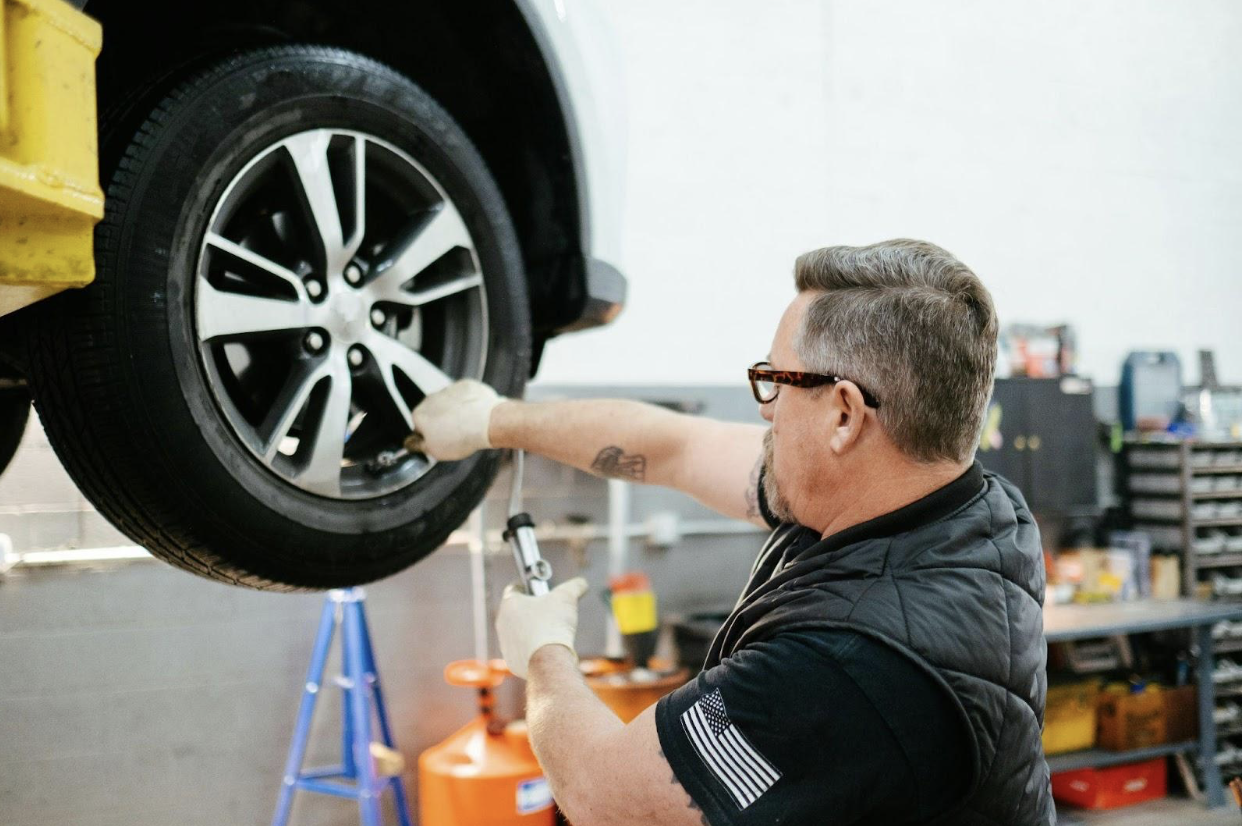
Your tires are the only part of the car that actually touch the road, making them one of the most critical components for safety and performance. For daily commuting, properly inflated and balanced tires help improve gas mileage and reduce wear. For road trips, they provide confidence that you’ll make it from point A to B without unexpected delays.
- Check tire pressure weekly: Proper inflation not only saves fuel but also prevents premature tire wear.
- Rotate your tires: Rotating them every 5,000-7,000 miles helps distribute wear evenly.
- Understand balancing and alignment: Balancing addresses vibrations caused by uneven weight distribution, while alignment ensures your wheels are angled correctly. Together, they make sure your car tracks straight, reducing strain on suspension and tires.
A car with misaligned wheels or unbalanced tires is like running a marathon in shoes that don’t fit, you might finish, but you’ll cause unnecessary damage along the way.
Fluids: The Lifeblood of Your Vehicle
Every car relies on fluids to function smoothly. Neglecting these can lead to overheating, poor performance, or worse, engine failure. Before hitting the road, always check these essentials:
- Engine oil: Regular oil changes prevent friction and overheating.
- Coolant: Keeps your engine at a safe temperature during both hot summers and cold winters.
- Brake fluid: Ensures your braking system responds reliably.
- Transmission fluid: Keeps gears shifting smoothly.
Even if you’re only commuting, low or dirty fluids can strain your vehicle. And on long trips, where services might be miles away, fluid checks are even more crucial.
Brakes: Safety You Can’t Compromise
Your brakes are your car’s most important safety system. If they fail, nothing else matters. Warning signs like squealing, grinding, or a spongy brake pedal shouldn’t be ignored.
- Daily commuters: City driving often involves stop-and-go traffic, which wears brakes faster than highway driving.
- Road trippers: Long downhill stretches can overheat brakes, making them less effective.
Regular inspections ensure you won’t be caught off guard when you need them most.
Lights and Visibility: Seeing and Being Seen
Whether you’re leaving work at dusk or driving across unfamiliar backroads at midnight, visibility is critical.
- Check headlights and brake lights: Replace burned-out bulbs immediately.
- Windshield wipers: Old, streaky wipers are dangerous in heavy rain. Swap them out at least once a year.
- Windshield fluid: Simple, but often overlooked, never start a trip without topping it off.
Good visibility isn’t just about your comfort; it’s about the safety of everyone sharing the road.
Battery: Powering More Than You Think
Today’s cars depend heavily on electrical systems, meaning your battery does far more than just start the engine. A weak or failing battery can leave you stranded, especially in extreme weather.
- Check battery life: Most batteries last 3-5 years. If yours is nearing the end, replace it before a big trip.
- Look for corrosion: Cleaning battery terminals can prevent power issues.
Daily commutes may mask a weakening battery because you’re close to home, but on a long journey, the risk multiplies.
Comfort and Convenience Checks
Not all car prep is about mechanics, some of it is about ensuring your journey is comfortable and stress-free.
- Air conditioning and heating: Don’t wait until you’re freezing or sweating to discover your climate control isn’t working.
- Interior organization: A clutter-free car makes for a calmer drive, especially on long trips.
- Emergency kit: Jumper cables, a flashlight, water, and basic tools can be lifesavers.
Small touches like these elevate both your daily commute and your weekend getaway.
Preparing for Road Trips vs. Daily Driving
While the basics of car care are universal, road trips require a slightly different level of preparation than commuting.
- Daily commute focus: Efficiency, fuel savings, and reliability. Short trips often mean more wear on brakes and less time for fluids to warm up fully, so checking these areas frequently is key.
- Road trip focus: Endurance and comfort. Long distances demand attention to tires, fluids, and cabin comfort to ensure you don’t burn out before your destination.
By tailoring your maintenance to your driving habits, you get the best of both worlds: efficiency in the city and reliability on the highway.
The Role of Professional Inspections
Even the most diligent drivers can miss things. A professional mechanic can spot issues before they become dangerous or costly.
Think of scheduled inspections as a health check-up for your car. They may recommend tire rotations, brake pad replacements, or suspension adjustments that you wouldn’t notice on your own.
Extending the Life of Your Car
Ultimately, consistent care extends the life of your vehicle, which is one of the biggest financial investments most people make. Treating your car with respect means you’ll get more years out of it, avoid unexpected expenses, and maintain better resale value.
From a short commute to a cross-country adventure, the principles remain the same: attention to detail, regular checks, and a proactive mindset.
Your car doesn’t know the difference between a 15-minute drive to the office and a 500-mile road trip, but it does know the difference between being cared for and being neglected. By taking the time to handle the basics, from tire care to fluid checks, you’re not just preventing breakdowns, you’re ensuring every journey is as safe and enjoyable as possible.

So, whether it’s tomorrow’s commute or next month’s getaway, the key to a smooth ride lies in preparation. A little effort now means a lot less stress later, and it’s what makes the road ahead worth looking forward to.
Comments

Powered by RoundtableAn AI/DeFi-powered Enterprise Media Operating System. Learn more at Roundtable.io.© Roundtable 2026. By using this site you agree to the Terms of Use and Privacy Policy