


Food Tech Trends
Sep 3, 2024 7:00 AM
Updated Sep 6, 2024 5:49 PM
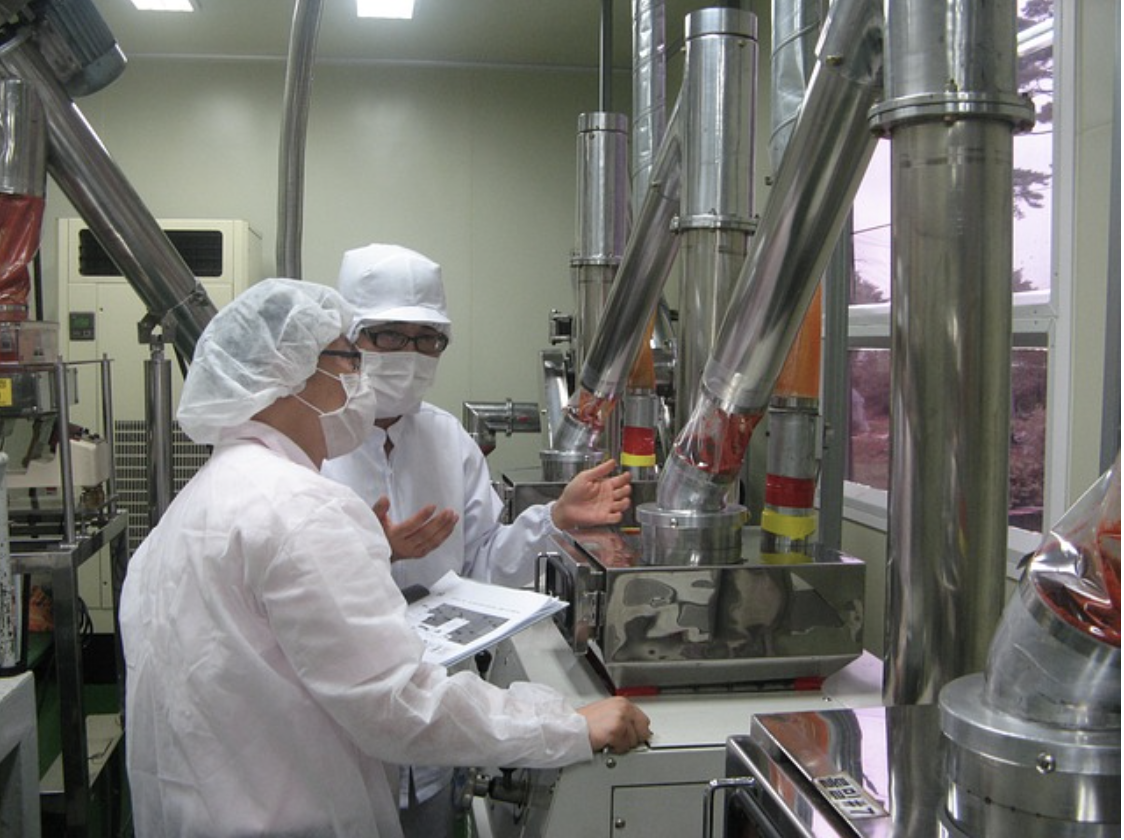
Food technology automates tasks of the production process, freeing up resources that you can direct elsewhere.
Food technology offers numerous benefits that enhance food quality and create efficient production processes. Tech allows manufacturers to monitor food products throughout the production process. This allows them to quickly spot and respond to any safety concerns that might arise.
Food technology automates tasks of the production process, freeing up resources that you can direct elsewhere. Also, tech minimizes dependence on human labor, boosting efficiency and cutting production costs. Outlined below are four food tech trends in 2024.
1. Food metal detection technology
Contamination can sometimes occur during intricate food production procedures, even with appropriate safety practices. This is where metal detection technology comes in. Advancements in this technology mean metal detectors can:
- Detect even the slightest amounts of metal
- Catch metal hazards, such as loose screws and machine parts, that fall into consumables
- Identify ferrous and non-ferrous metals, improving food safety, which is key to protecting consumers and adhering to food safety-related compliance regulations
Related stories
Modern metal detectors keep pace with production flow, potentially scanning hundreds of products per minute. These detectors, including the gravity fed metal detector, have state-of-the-art reject mechanisms that eliminate metal-contaminated products without decelerating the production line.
2. Robotics
Robotics is one of the top food tech trends to watch in 2024. Integrating robots into your production processes ensures seamless task automation, such as sorting, dispensing, and packaging. This significantly lowers human employee fatigue, mitigates the errors that come with repetitive tasks, and raises food production and packaging speed, leading to increased productivity.
Robots' reliable operation maximizes production line efficiency, which helps reduce downtime. Adding robotics into your food manufacturing processes minimizes direct human contact with food items, reducing the likelihood of contamination. With advanced robotic systems, you can spot inconsistencies or inaccuracies in food products and correct them promptly. This helps enhance food safety.
3. Alternative proteins
Alternative protein sources are meant to redefine conventional meat-centric diets, solving the burning concerns of environmental sustainability, animal welfare, and food security. As technology progresses, the potential for alternative protein sources becomes more mainstream.
Biotechnology and food science innovations facilitate efficient production of these proteins, closing the gap between conventional meat proteins and their alternatives. Food tech advancements, such as cellular agriculture and precision fermentation, enable the creation of highly effective:
- Protein ingredients
- Lab-grown meats
- Animal-free dairy protein products that closely imitate animal-derived proteins’ nutritional and sensory qualities
5. Smart packaging solutions
Smart packaging encompasses innovations that have changed how food is stored and transported. It enhances seller and buyer experiences by prolonging shelf-life, boosting product quality, and improving consumer and product safety.
Smart packaging technology offers more precise inventory, sales volumes, and distribution data. This technology can improve security in case of theft or loss. Smart packaging also:
- Monitors environmental conditions and provides real-time data to prevent spoilage and contamination, reducing the possibility of foodborne diseases
- Boosts traceability, facilitating fast hazardous product identification and recall
Smart packaging has various innovative features that optimize food storage and preservation, including:
- Temperature monitoring systems: They help ensure items stay within specific temperature levels, avoiding thermal degradation
- Freshness indicators: They offer visual indications to consumers, showing the quality and freshness of enclosed food products
- Oxygen scavenging technology: It maintains an oxygen-free environment to prevent oxidation and preserve product integrity

Endnote
Food technology enhances food safety while ensuring efficient production processes. Some food tech trends to watch in 2024 include metal detection technology, robots, alternative proteins, and smart packaging.
Comments

Powered by RoundtableAn AI/DeFi-powered Enterprise Media Operating System. Learn more at Roundtable.io.© Roundtable 2026. By using this site you agree to the Terms of Use and Privacy Policy