


Five ERP trends
May 7, 2024 7:00 AM
Updated May 9, 2024 5:20 PM
Previously, companies had to spend considerable time and resources customizing universal ERP systems to their individual needs.
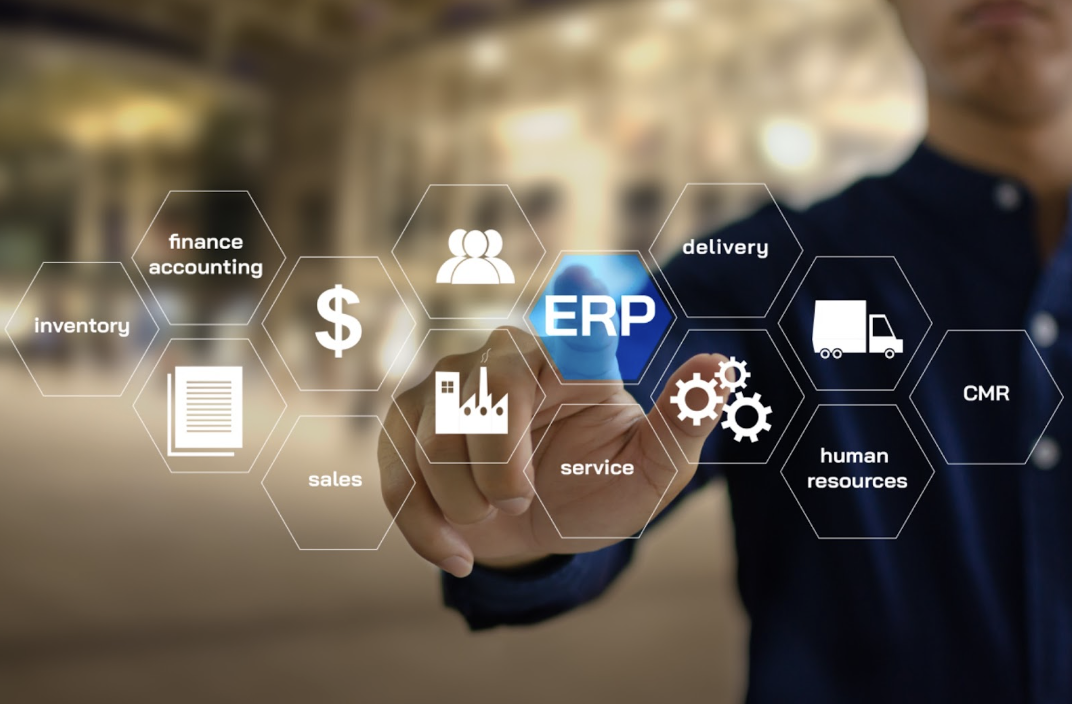
ERP, or Enterprise Resource Planning, is a software system that helps companies manage and analyze various aspects of their business in one place. Such systems cover everything from inventory and orders to accounting and personnel management.
Together with the experts from Light IT Global, we will look in this article at 5 ERP trends for 2024 and discuss the main benefits of erp that can significantly improve the efficiency and sustainability of companies.
Expansion of industry-specific solutions
Previously, companies had to spend considerable time and resources customizing universal ERP systems to their individual needs. Now, there is a trend in the ERP market towards creating systems that take into account the specifics of individual industries. They are already pre-configured with the specific functions of their business. These can be, for example, accounting functions adapted for construction, retail, or manufacturing.
Thus, companies get a system that initially meets their operational requirements. This speeds up the start of work with the system and reduces the risks associated with its adaptation. Moreover, by using ERP functionality tailored to specific needs, companies can respond more quickly to changes in the industry.
Related stories
Starbucks is a great example of a large company that uses Oracle ERP to automate its back-office processes and manage its day-to-day operations. This cloud ERP solution helps Starbucks manage finances, supply chains, project management, accounting, procurement, and other key business functions.
Oracle ERP is particularly valued for its capabilities in comprehensive analytics, which allow Starbucks to have a complete view of its operations and performance indicators through a customizable dashboard interface.
Mobility
According to our consultants from Light IT Global, in 2024 there is even better adaptation to the needs of modern business. In particular, mobile ERP systems allow managers and employees to efficiently manage the business from anywhere in the world, providing access to data in real-time.
In the context of mobile ERP systems, experts cite Nike as an example, known for its special approach to digital transformation through ERP implementation. The company announced the launch of a new ERP system, which is already operational in Greater China and is planned to be launched in North America in 2024.
This investment is aimed at improving online customer service and accelerating the direct sales strategy to consumers, as well as solving supply chain management issues in the context of digitalization. The ERP system allows Nike to gain real-time visibility of inventory across the network and optimize demand management and inventory productivity.
Promotion of sustainable development and ESG
Companies are also recognizing the importance of integrating sustainable practices into their business processes. They are increasingly incorporating features into their ERP systems that contribute to sustainable development. These features help companies manage their carbon footprint and compile environmental reports.
Managing carbon footprint through ERP allows companies to track and analyze carbon dioxide emissions at all stages of production and logistics. This enables them to optimize processes to reduce their environmental impact.
Environmental reports integrated into ERP provide detailed information on the company's impact on the environment. These reports contain data on resource consumption, waste management, and energy use.
Artificial intelligence and process automation
Artificial intelligence is transforming the way businesses operate. It automates routine tasks, allowing employees to focus on more complex tasks. AI can process large volumes of data quickly and with high accuracy, helping to make informed decisions.
One of the important applications of AI in ERP is data management. AI can analyze sales data, inventory, or customer behavior, predicting trends and optimizing inventory. Generative artificial intelligence opens up new possibilities for content creation. For example, it can automatically generate reports, texts for marketing campaigns, and even analytical materials, reducing the time and effort required for these tasks. AI also helps in decision-making: based on the analysis of past data and current trends, systems offer recommendations from which people choose what they need.
To illustrate, here are a few real examples of how artificial intelligence transforms ERP systems by automating business processes and improving decision-making:
Pharmaceutical company AmerisourceBergen used artificial intelligence in its ERP system to automate the analysis of production costs and dynamically optimize prices. This reduced the time spent on pricing tasks and significantly increased revenue;
Mitsubishi Electric implemented AI to automate processes in Oracle Cloud ERP, leading to increased productivity, reduced labor costs, and optimized use of production facilities;
Walmart uses AI in the SAP HANA system to process over a million transactions per hour, improving the availability of goods in warehouses and reducing supply chain management costs.
Integration of the Internet of Things
There is significant potential in integrating IoT and ERP to improve various aspects of business, from manufacturing to logistics and quality management. These systems allow for the automatic collection of data from a variety of devices and sensors, which contributes to improved management of production processes, resource optimization, and reduced downtime.
For example, MFC Netform uses machine vision systems that automatically reject parts that do not meet quality standards. These systems are integrated with ERP, allowing for accurate cost accounting of defects and improving quality control in production.
Fisher & Company uses cloud ERP and new wearable device technologies to improve management on the production floor. Supervisors can receive information about the production status using smart glasses without the need to interrupt workers, increasing operational efficiency.

As the IT service providers from Light IT Global say, while some companies stick to time-tested methods or simply cannot afford modern ERP systems, others expand their businesses using technological advancements and profit. Over time, we can expect ERP systems to become even more adaptive and predictive, thanks to deeper data analysis and automation. These systems will be the best assistants in building more flexible, sustainable, and successful businesses, capable of adapting to market conditions and consumer needs.
Comments

Powered by RoundtableAn AI/DeFi-powered Enterprise Media Operating System. Learn more at Roundtable.io.© Roundtable 2026. By using this site you agree to the Terms of Use and Privacy Policy