


Sep 10, 2024 7:00 AM
Updated Sep 13, 2024 9:38 PM
At first glance, fitness and sustainability may seem like separate worlds, but they are more connected than you might think.
The Intersection of Fitness and Sustainability
At first glance, fitness and sustainability may seem like separate worlds, but they are more connected than you might think. As we become more conscious of our environmental impact, there’s growing recognition that our personal health journeys can align with efforts to preserve the planet. One of the most interesting tools in this intersection is the fitness tracker. These simple devices, designed to monitor steps, heart rate, and even sleep patterns, are now helping people live healthier lives while also contributing to the fight against climate change.
But how exactly can a fitness tracker help the planet? The answer lies in how these tools encourage us to move more and drive less. By focusing on tracking daily steps or setting exercise goals, many of us are reducing our reliance on cars for short trips, favouring walking or cycling instead. It’s an example of how small lifestyle changes, aided by technology, can accumulate to create a larger impact.
Renewable Energy for the Body: Powering Yourself, Not Your Car
We often talk about renewable energy in terms of wind or solar power, but what about the energy we generate from our own bodies? By choosing to walk or cycle instead of driving, we’re tapping into a completely renewable source of power—ourselves. Fitness trackers play a key role in this transition by motivating people to take more steps, burn more calories, and be active in ways that directly reduce the need for carbon-based fuels.
Think about it: for every short car journey replaced with walking or cycling, emissions drop. Now imagine if millions of people made this change consistently. Fitness trackers help us quantify these changes, turning individual actions into measurable progress. It’s not just about getting fit; it’s about contributing to a healthier planet in the process. Each step we take powered by our own energy is a step away from fossil fuels.
Related stories
Step Counter, Carbon Counter: Tracking Your Impact
Most of us know how to track calories burned or steps taken, but have you ever thought about tracking the carbon emissions you’ve avoided? With fitness trackers, every step is not just a health milestone—it’s a potential reduction in your personal carbon footprint. By encouraging more walking and cycling, fitness trackers allow users to directly link their physical activity with environmental benefits.
The impact can be surprisingly significant. Walking a few miles instead of driving might seem trivial on its own, but when scaled up over time, or across a population, the results are powerful. For instance, choosing to walk instead of drive for short trips can reduce your carbon footprint, especially in cities like Los Angeles where car emissions are a major environmental issue. Setting fitness goals with both health and the planet in mind creates a double benefit: fewer emissions and a fitter you.
Small Steps, Big Environmental Impact: The Collective Power of Fitness
While individual efforts are important, the real magic happens when those efforts are multiplied across thousands, or even millions, of people. The beauty of fitness trackers is that they can motivate large groups to adopt more active lifestyles. Imagine the environmental impact if a significant portion of a city, or a country, started using fitness trackers to reduce car trips. The collective reduction in emissions could be substantial.
It’s a ripple effect: one person replaces a car trip with a walk, then another, and soon entire communities are cutting down on their carbon output. Even something as small as walking to the store instead of driving can contribute to the bigger picture of climate reform. The more steps we take, the less reliant we become on emissions-heavy transportation, and the healthier our planet becomes.
Keeping Workouts Interesting While Staying Green
One of the challenges in maintaining an active lifestyle is keeping your workouts fresh and engaging. Fortunately, you can inject a bit of eco-consciousness into your fitness routine to keep things interesting. Outdoor workouts are an obvious choice, allowing you to enjoy the natural environment you're helping to protect. Whether it’s a hike in the local woods or a run through the park, exercising outdoors not only boosts your fitness but also reduces your reliance on energy-consuming indoor gym equipment.
You can also explore eco-friendly gyms that run on renewable energy or even generate power through your workout efforts. Some facilities are now equipped with machines that convert the energy you expend into usable electricity. Setting fitness goals like calories burned or miles walked can become more meaningful when you know your workout is contributing to a greener world. It’s not just about breaking a sweat—it's about making every movement count towards a healthier planet.
Setting Goals: A Healthier You, a Healthier Planet
Goal-setting is a cornerstone of fitness, and with the right mindset, it can extend beyond personal health. When you set goals for how many calories you’ll burn or how many steps you’ll take, why not consider their environmental impact as well? For example, tracking how often you choose to walk instead of drive can help you visualise the positive effect you’re having on the environment.
Fitness trackers make this easy by allowing users to set goals for physical activity while also considering broader sustainability objectives. It’s a win-win: the more active you are, the fitter you become and the less strain you place on the planet. By combining health and environmental goals, you’ll not only be working towards personal milestones but also contributing to the global push for climate reform.
A More Personal Fitness Experience
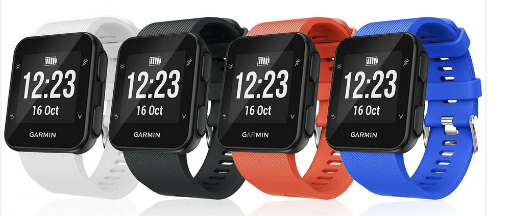
Fitness trackers are a great way to personalise your health journey, but what about making them more comfortable and stylish? The right accessories, like watch straps, can enhance the experience, making it easier to stay committed to your goals. Whether you prefer something sleek and minimalist or colourful and bold, customisable Samsung watches and Fitbit watch bands can fit your personal style and make your fitness routine even more enjoyable.
A well-fitting, durable strap means you can wear your tracker with confidence throughout your day, whether you’re running, walking, or simply keeping an eye on your daily step count. Making small adjustments like this can keep you motivated and on track, especially when you know you're taking steps—literally and figuratively—towards a greener future. For those interested in upgrading their fitness accessories, Fitstraps.ie offers a wide selection of eco-conscious bands to match your unique style and goals.
Final Thoughts: The Future of Fitness and Climate Action
In the grand scheme of climate action, individual steps may seem small, but they add up quickly. Fitness trackers, with their ability to motivate healthier lifestyles and reduce our reliance on carbon-heavy transportation, are proving to be unlikely allies in the fight against climate change. By choosing to walk, cycle, and stay active, each of us can contribute to a larger environmental movement that benefits both our bodies and the planet.

As we move forward, it’s important to remember that getting fit doesn’t just improve our own health; it also plays a role in protecting the Earth. The steps you take today could help shape a greener, more sustainable future. So lace up, set your goals, and let your fitness journey be one that makes a lasting impact—on you and the world around you.
Comments

Powered by RoundtableAn AI/DeFi-powered Enterprise Media Operating System. Learn more at Roundtable.io.© Roundtable 2026. By using this site you agree to the Terms of Use and Privacy Policy