



Jun 8, 2025 7:00 AM
Updated Jun 15, 2025 12:53 AM
The journey to reclaim your voice after experiencing medical harm isn't simple, but it represents a crucial step toward both personal healing and systemic change.
The moment a medical procedure goes wrong creates a profound silence - a vacuum where trust once existed. Patients often find themselves stripped not only of their health but also of their ability to speak up about what happened. This silencing effect occurs in doctors' offices, emergency rooms, and hospital wards across the country, leaving individuals feeling powerless and alone in their suffering. When healthcare systems prioritize institutional protection over transparency, the voices that matter most – those of patients – become muffled beneath layers of medical jargon and defensive practices.
The journey to reclaim your voice after experiencing medical harm isn't simple, but it represents a crucial step toward both personal healing and systemic change. Speaking up transforms individual suffering into potential protection for future patients. This article explores practical strategies for finding your voice amid the disorienting aftermath of medical harm, offering guidance on how to articulate your experience and advocate for your rights in a system that often discourages such advocacy.
The Psychological Impact of Medical Harm
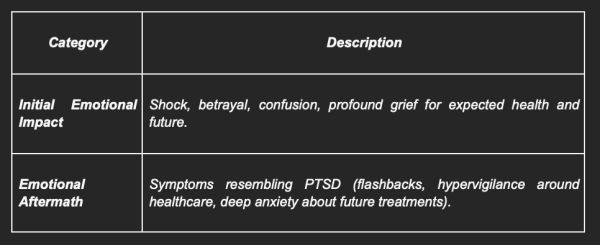
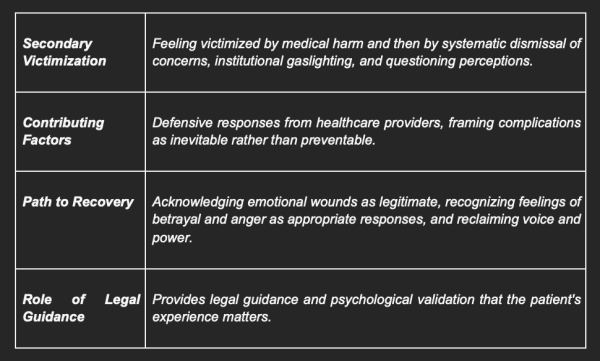
Medical harm creates ripples that extend far beyond physical injury, affecting every aspect of a patient's psychological well-being. The initial shock often gives way to a complex mixture of emotions - betrayal, confusion, and profound grief for the health and future you expected. Consulting with a New Jersey medical malpractice lawyer early in this process provides not only legal guidance but often psychological validation that your experience matters.
Recognizing When Your Rights Have Been Violated
Understanding the difference between unavoidable complications and preventable harm requires education and clarity. Medical outcomes exist on a spectrum, with genuine accidents at one end and clear negligence at the other. The middle ground—where most cases fall—involves judgment calls, systemic failures, and moments where better care might have led to different outcomes. Learning to recognize these distinctions empowers patients to advocate appropriately.
Related stories
Warning signs of potential malpractice include unexpected outcomes significantly different from what was discussed, healthcare providers avoiding direct explanations, sudden transfers to different specialists without clear justification, or notes in your medical records that contradict your experience. A reputable New Jersey law firm can help distinguish between unfortunate outcomes and actionable negligence by reviewing these records with medical experts. This professional perspective often reveals patterns invisible to patients navigating the system alone.
Building Your Support Network
Confronting medical harm without support resembles climbing a mountain without equipment—technically possible but unnecessarily difficult and dangerous. Effective advocacy rarely happens in isolation but flourishes within carefully constructed networks of practical and emotional support. Family members often become natural advocates, attending appointments, taking notes, and asking questions when exhaustion limits their ability to speak.
Patient advocacy organizations provide crucial context and community, helping you understand that your experience, while unique, follows recognizable patterns. These groups offer both practical resources and the profound relief of finding others who truly understand your situation without explanation. Support groups, whether in-person or online, transform isolation into solidarity, providing spaces where your experiences aren't questioned but affirmed.
Professional support through therapists specializing in medical trauma helps process the complex grief that follows medical harm. These professionals understand how institutional betrayal differs from other traumas and can provide specialized techniques for managing anxiety around necessary future medical care.
Conclusion
Finding your voice amid the disorienting aftermath of medical harm represents not just personal healing but an act of courage that ripples outward, potentially protecting countless future patients. The path from silenced victim to empowered advocate isn't linear—expect moments of doubt, exhaustion, and renewed anger alongside growing confidence and clarity. Each time you speak your truth, whether in a doctor's office, support group, or formal complaint process, you reclaim pieces of agency that medical harm attempted to take.

The healthcare system improves not through silence but through the persistent, documented testimony of those it has failed. Your voice, joined with others, creates pressure points that slowly bend institutional priorities toward greater transparency, accountability, and compassion. This collective chorus of patient experiences has historically driven the most significant improvements in medical safety, from informed consent requirements to mandatory reporting systems. When families speak up about medical negligence during childbirth, a New Jersey birth injury lawyer can help turn their experiences into legal action that drives systemic change and protects others from similar harm.
Comments

Powered by RoundtableAn AI/DeFi-powered Enterprise Media Operating System. Learn more at Roundtable.io.© Roundtable 2026. By using this site you agree to the Terms of Use and Privacy Policy