


Jun 30, 2025 7:00 AM
Updated Jul 3, 2025 9:53 PM
Early mock-ups of the match schedule read like railway timetables—Philadelphia on a Wednesday, Monterrey that Saturday, Seattle the following Tuesday.
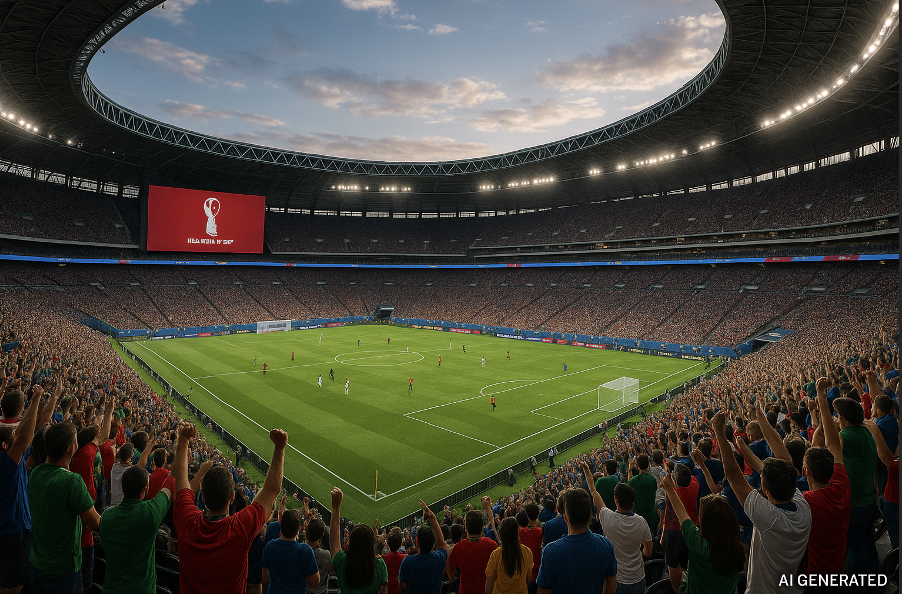
A jet leaves Newark, another lifts off from Guadalajara, a third arcs over the Rockies toward Vancouver. Each carries the same cargo: restless supporters chasing a slice of football’s biggest party. The 2026 World Cup, spread across three nations and stretched over four time zones, will feel less like a tidy tournament and more like a rolling caravan—part sporting spectacle, part continental road movie.
Such a scale hasn’t been tried before. Forty-eight squads, 104 matches, and stadiums that range from colossal NFL temples to intimate waterfront grounds will form the tournament’s backbone. Every city has its own accent, culinary swagger, and sense of home-field pride. Put them together and the result is a month-long patchwork of cultures stitched by corner flags and shared anthems.
Continental Canvas: How Sixteen Venues Paint One Tournament
Early mock-ups of the match schedule read like railway timetables—Philadelphia on a Wednesday, Monterrey that Saturday, Seattle the following Tuesday. Even the downtime hums with activity, because mid-week fan zones and watch parties now carry mini-industries of their own. In that space between whistle blasts, interactive diversions, among them https://melbet-ca.com/en/games/plinko, have begun to orbit the matchday ritual, offering bite-size jolts of chance while supporters refuel on tacos or deep-dish. Two years out, construction crews and turf specialists work around the clock, ensuring every blade of grass looks television-ready by first kick.
Stadium managers swap notes on ventilation systems, Wi-Fi power, and post-match egress strategies; nobody wants a bottleneck when 70,000 voices reach for the exit.
Related stories
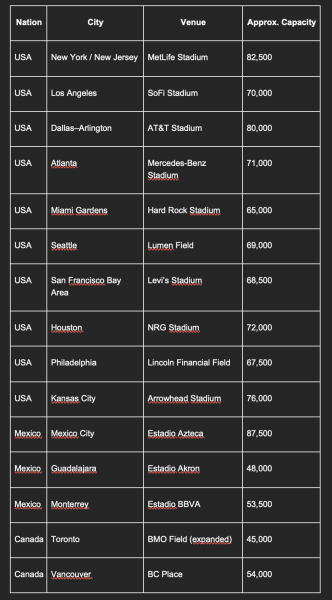
The following overview sets the geographical stakes—North America’s football topography at a glance:
Local Rhythms and Fan Rituals
Away from the LED billboards, host cities are polishing old customs and inventing new ones. Montreal bagel shops prepare for dawn rushes from visiting ultras on overnight trains, while Houston pit-masters draft brisket schedules around kickoff windows. In many urban pockets, mobile watch parties now dovetail nicely with parallel platforms such as live casino, weaving real-time wagers and social chatter into the march toward each fixture’s first whistle. Before matchday, street corners and subway stations become informal classrooms on local etiquette. Supporters swap scarf pins, sample mezcal, or learn why Vancouverites swear by rain-proof ponchos year-round.
Two prominent pre-game rituals keep surfacing in host-city planning docs:
- City-wide March-Ins – Brass bands lead mixed-nation crowds from central plazas to stadium gates, echoing Copa Libertadores processions from Buenos Aires and Bogotá.
- Night-Market Kickoffs – Temporary night markets pop up near transit hubs, fusing street food stalls, five-a-side pitches, and live DJ stages until a few hours before kickoff.
Those civic flourishes matter. They turn a neutral venue into a shared living room and, ideally, leave behind a blueprint for future local derbies.
Hidden Variables: Altitude, Weather, Distance
Managers have begun penciling climate data next to training drills. A late-June fixture in Mexico City sits 2,200 meters above sea level, while a group game in Miami might demand mist fans and electrolyte slushies on the bench.
Before diving into the tactical chessboard, consider the environmental curveballs that shape every team sheet:
- Altitude Strain – Mexico City and Guadalajara force an aerobic test; expect early substitutions and ice-vests.
- Turf vs. Grass – Several U.S. venues swap synthetic NFL turf for temporary grass trays; bounce and roll can feel alien at first.
- Transcontinental Fatigue – Five-hour flights between Vancouver and Atlanta compress recovery windows, especially for teams on short rest.
Weather swings and travel math rarely make highlight reels, yet tournaments often tilt on those margins.
Five Venues Built for Drama
Paragraphs can’t replicate the thunder inside a full house, but certain grounds carry credentials that hint at unforgettable nights.
- Estadio Azteca (Mexico City) – Two past finals, Maradona’s “Goal of the Century,” and an altitude-induced echo that lingers long after chants fade.
- MetLife Stadium (NY/NJ) – Likely final host, ringed by highways and backlit by Manhattan’s skyline—Big Apple pageantry at its loudest.
- Mercedes-Benz Stadium (Atlanta) – Retractable roof, 360-degree halo board, and acoustics that trap noise like a snare drum.
- BC Place (Vancouver) – Sits beside the Pacific, roof can seal in the roar, and summer evenings arrive with postcard light.
- AT&T Stadium (Dallas–Arlington) – Jerry Jones’ colossus, complete with a sideline art gallery and a scoreboard wider than some European pitches.
Five grounds. Five distinct moods. Each is capable of turning a group-stage clash into something mythic, something retold for decades. In these spaces, momentum swings harder, mistakes echo louder, and goals feel etched in stone. The World Cup doesn’t just visit stadiums like these—it remembers them.
Whistle on the Horizon

By the time the trophy changes hands, fans will have traced a zig-zag path from Cascadia cedars to Yucatán palms and back again. Airports will trade in jerseys as unofficial currency, and border kiosks will stamp passports still smelling of flare smoke.
The World Cup has visited North America before, but never like this—never on a canvas so broad, never with a cast so varied. Sixteen stadiums await their cue; soon the floodlights flicker on and three nations share the same heartbeat.
Comments

Powered by RoundtableAn AI/DeFi-powered Enterprise Media Operating System. Learn more at Roundtable.io.© Roundtable 2026. By using this site you agree to the Terms of Use and Privacy Policy