
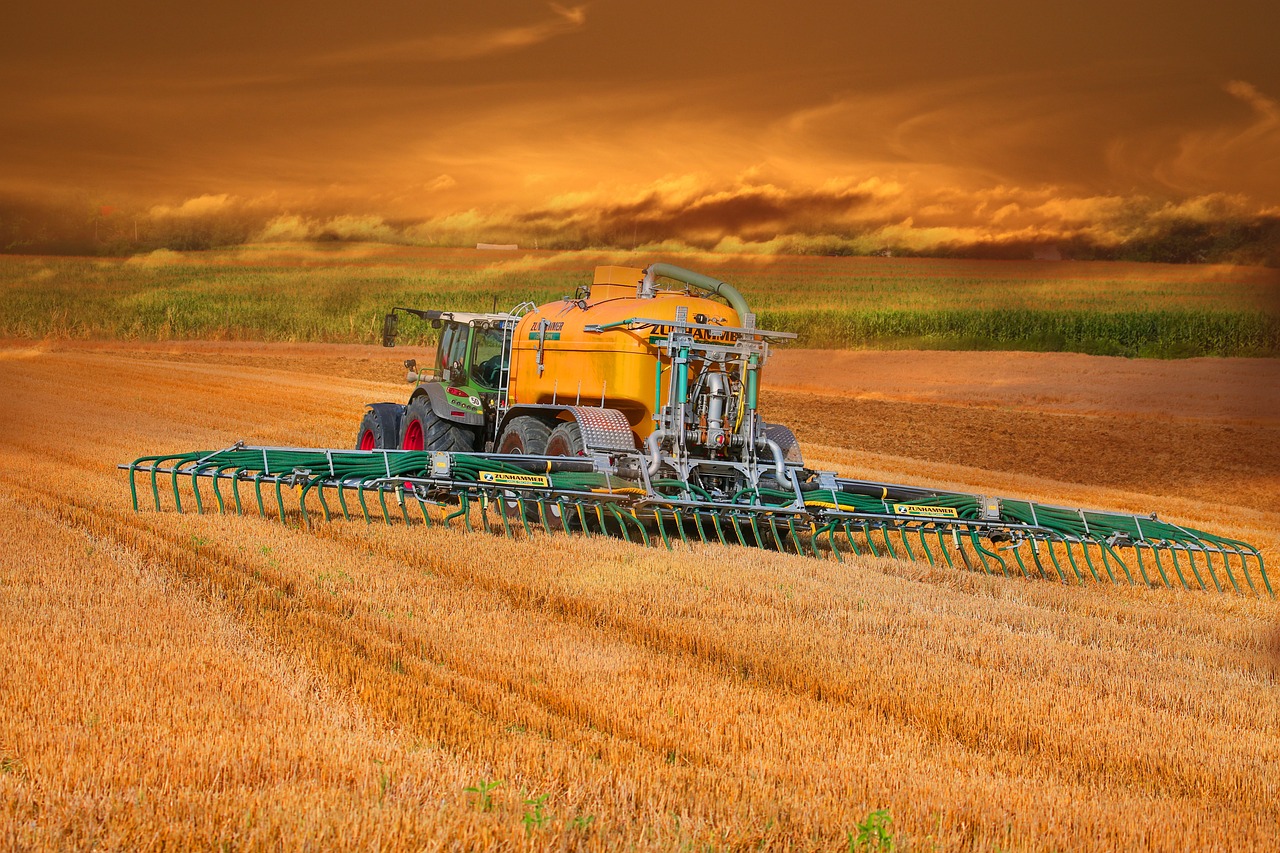
Image by Kurt Bouda from Pixabay


Fertiliser Transportation Services
Jan 7, 2025 8:00 AM
Updated Jan 10, 2025 12:10 AM
One of the first steps in improving the efficiency of fertiliser transportation is optimizing the routes taken by delivery vehicles.
Fertilisers are essential for crop growth, and ensuring efficient and timely delivery is vital to the success of farms and businesses that rely on fertilisers. However, the bulk blending fertiliser transportation process involves various challenges, such as managing large quantities and keeping costs down.
Streamlining this process can lead to significant improvements in efficiency, cost-effectiveness, and customer satisfaction. In this article, you will learn the ten important tips that will help you streamline the bulk blending fertilizer transportation services.
1. Optimize Route Planning
One of the first steps in improving the efficiency of fertiliser transportation is optimizing the routes taken by delivery vehicles. Inefficient routes result in longer travel times and higher costs. By using route planning software or tools, analyze traffic patterns and road conditions to determine the best routes for fertilisers. This software provides real-time updates, enabling drivers to avoid construction delays.
2. Implement Real-Time Tracking
Always remember that real-time tracking of fertiliser shipments is essential for both transportation companies and customers. Furthermore, these trackers help in monitoring the progress of deliveries and making adjustments when necessary.
Related stories
Also, real-time tracking also enhances customer satisfaction by providing them with accurate and timely updates on the status of their orders. Additionally, it allows businesses to track fuel consumption, monitor vehicle performance, and ensure that trucks are not deviating from their planned routes.
3. Invest in Proper Equipment
Using the right equipment for transporting bulk blending fertilisers is crucial to ensuring the safe and efficient delivery of goods. Fertiliser is often delivered in large quantities, and the equipment must be capable of handling this volume without causing damage to the product or the environment.
Keep in mind that investing in high-quality, specialized vehicles, such as bulk tankers or hopper trucks, can help improve transportation efficiency. These vehicles are designed to handle the weight and volume of bulk fertilisers, ensuring safe delivery while reducing the risk of product spillage or contamination.
4. Maintain Equipment Regularly
Regular maintenance of the vehicles used for transporting bulk blending fertiliser is vital for minimizing breakdowns and avoiding costly repairs. Moreover, a well-maintained fleet involved in Bulk Freight Transport in Australia runs more efficiently, reducing the likelihood of delays due to mechanical failures.
Plus, implementing a strict maintenance schedule, which includes regular inspections, oil changes, and tire checks, can help keep vehicles in top condition. Regular maintenance can also extend the lifespan of the equipment, ultimately saving money for the business.
5. Train Drivers on Safe Driving Practices
The drivers responsible for transporting fertilisers play a significant role in ensuring the process runs smoothly. Proper training in safe and efficient driving practices can reduce fuel consumption, minimize the risk of accidents, and ensure that deliveries are made on time.
Training should include how to handle fertiliser loads safely, how to drive in various weather conditions, and how to use the vehicle's systems effectively. In addition to safety, training drivers on the importance of following optimal routes and avoiding unnecessary stops can help reduce transportation costs.
6. Provide Inventory Management Systems
An efficient inventory management system is essential for managing bulk blending fertilisers in transit. It helps businesses keep track of inventory levels, monitor product movement, and ensure that fertilisers are available when needed.
By integrating inventory management with transportation planning, businesses can avoid delays caused by stock shortages or overstocking. The system can also help predict demand, allowing for better planning of transport logistics and ensuring that fertilisers are always available for timely delivery.
7. Use Bulk Blending Technology
Bulk blending technology allows fertilisers to be mixed in bulk at a central location before being transported to their final destination. This method improves the efficiency of fertiliser transportation by reducing the number of trips required to deliver different types of fertilisers.
That’s why by blending fertilisers at a central facility, companies can streamline the transportation process, saving both time and money. The use of bulk blending technology also ensures that fertilisers are properly mixed, which improves their effectiveness when applied to crops.
8. Plan for Seasonal Demand
A fertiliser transportation can be affected by seasonal demand fluctuations, with certain times of the year requiring more deliveries due to planting and harvesting cycles. If planning for these seasonal spikes in demand, businesses can optimize their transportation resources.
Don’t forget that this could include scheduling additional deliveries during peak seasons and adjusting routes to accommodate higher volumes. However, advanced forecasting techniques and data analysis can help businesses predict seasonal demand patterns and prepare accordingly.
9. Collaborate with Other Businesses
Take note that collaborating with other businesses in the agricultural or fertiliser industry can help streamline bulk blending fertiliser transportation services. When sharing transportation resources, such as trucks and warehouses, businesses can reduce transportation costs and improve efficiency.
For example, businesses can form partnerships or alliances with other companies to share transport routes or reduce the number of trips required for deliveries. Collaboration gives opportunities for sharing valuable insights on practices in fertiliser transportation, improving efficiency in the industry.
10. Focus on Sustainability
Sustainability is becoming an increasingly important factor in the transportation industry, and the fertiliser sector is no exception. So, if focusing on sustainable transportation practices, businesses can reduce their carbon footprint and appeal to environmentally conscious customers. One way to achieve this is by investing in fuel-efficient vehicles or exploring alternative energy sources, such as:
● Electric trucks
● Hybrid vehicles
Additionally, businesses can optimize their transportation operations to reduce fuel consumption, such as by ensuring that routes are as short and efficient as possible. Reducing waste, reusing packaging, and recycling materials used in fertiliser transportation can also contribute to a more sustainable operation.
Efficient Transport, Smarter Business!
Maximizing bulk blending fertiliser transportation services is essential for improving efficiency, reducing costs, and meeting customer expectations. By implementing the tips, businesses can optimize their transportation operations, ensure timely deliveries, and maintain a high level of safety and sustainability.

Whether through better route planning, regular maintenance, or investing in the right equipment, these strategies will help create a more efficient and cost-effective transportation process. The result will be improved productivity, lower operational costs, and a more satisfied customer base, all of which contribute to the overall success of the fertiliser business.
Comments

Powered by RoundtableAn AI/DeFi-powered Enterprise Media Operating System. Learn more at Roundtable.io.© Roundtable 2026. By using this site you agree to the Terms of Use and Privacy Policy