


Jul 22, 2024 7:00 AM
Updated Jul 25, 2024 8:08 PM
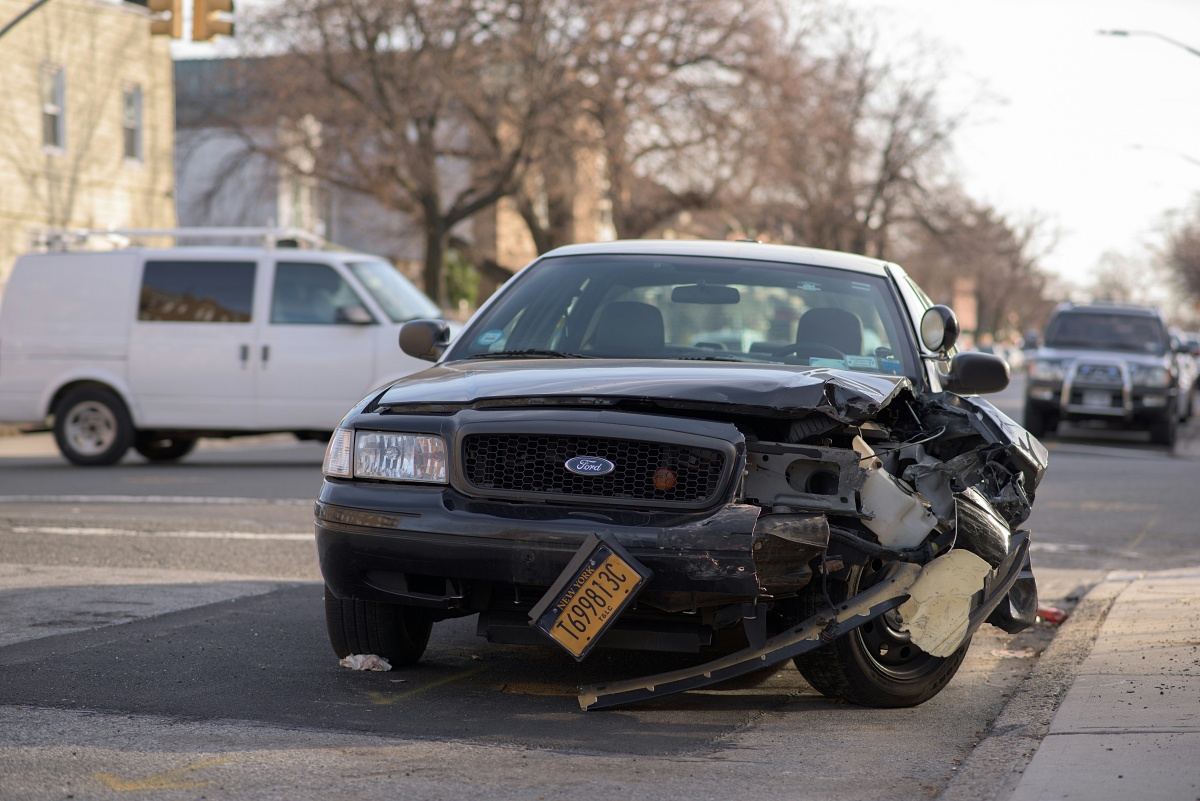
Motorists can breach the duty of care by engaging in various actions, such as drinking and driving, speeding, and failing to yield the right of way.
Florida drivers are involved in thousands of car accidents each year. Sadly, many victims pass away due to another party’s negligence or actions, making an already devastating situation even more challenging. In fact, there have been over 830 car accident deaths in 2024 so far, and the year is far from over.
Surviving family members can hold negligent parties accountable by filing a wrongful death claim. Learn more about the legal process, including the elements needed to establish fault in a wrongful death.
Elements of a Wrongful Death Claim
Not all car accident fatalities are classified as wrongful deaths under Florida law. The following four conditions must be met for a successful wrongful death claim:
- Established duty of care
- Breach of duty of care
- Negligence or actions caused death
- Surviving family members or estate suffered damages
Related stories
Florida motorists must uphold their duty of care when operating motor vehicles on public roadways. This means motorists are expected to follow all traffic laws and pay attention to others on the road. They are also required to ensure their vehicles are operational and safe for roadways.
Motorists can breach the duty of care by engaging in various actions, such as drinking and driving, speeding, and failing to yield the right of way. You must prove that this breach directly caused the accident, injuries, and death.
Finally, you have to prove the surviving family members or estate suffered damages due to the death. Examples of damages include medical bills, funeral expenses, and lost wages.
An attorney can help you determine if you meet the criteria for a wrongful death claim. Then, you can file a claim against the motorist and all other responsible parties.
Evidence Needed for a Wrongful Death Claim
Strong evidence is needed to prove a wrongful death claim and maximize compensation. Start by gathering evidence from the accident scene, including photographs, videos, and witness statements.
You will also need a copy of the car accident report to use as evidence. You can get a copy of the report by contacting the police station’s records department.
Traffic homicide officers will also investigate the fatality and collect evidence. They'll share the results, including the liable parties, once they complete the investigation. Include this information in the evidence when filing the claim.
If your loved one received medical treatment before passing away, gather the medical records. Your attorney may also want to review previous records to establish your loved one’s medical history. This can be helpful if the insurance company claims that the medical history contributed to the fatality.
Finally, an autopsy report can be a vital piece of evidence. You can request a private autopsy if the hospital doesn’t conduct one after the death. In most cases, autopsies are performed at the hospital, though.
Who Can File a Wrongful Death Lawsuit?
According to Florida law, a personal representative must file a wrongful death lawsuit on behalf of the estate and surviving family members. Unfortunately, many victims don’t have estate plans, meaning they hadn’t appointed a personal representative before passing away.
In these instances, the court can appoint a personal representative to handle all matters related to the estate, including pursuing a wrongful death claim. The representative is typically the surviving spouse or another family member who is 18 or older.
Compensation for Wrongful Deaths
The personal representative will list all surviving family members with an interest in the claim, such as the spouse, minor children, and parents. Then, the representative will pursue damages for the family members and estate.
The decedent’s estate is eligible to collect compensation for past and future economic losses, such as:
- Lost wages and benefits from the time of injury until death
- Future lost wages and benefits
- Medical expenses
- Funeral expenses
The personal representative can also claim financial losses if surviving family members paid medical or funeral bills. Additionally, surviving family members may be eligible to collect non-economic damages for loss of services, support, protection, companionship, and guidance. Wrongful death settlements and awards can also include compensation for emotional pain and suffering.
Modified Comparative Negligence and Wrongful Death Claims
Some surviving family members don’t file wrongful death claims because evidence shows their loved one contributed to the accident. However, they may still be able to collect compensation under Florida’s modified comparative negligence statute.
You can pursue a claim as long as the evidence shows your loved one was up to 50% at fault for the accident and death. The settlement or award is then reduced based on the percentage of fault.
For example, assume that Joe and Mark are involved in an accident. Joe flies through a red light and collides with Mark, who is speeding. Mark passes away from his injuries.
The court might find that Mark is 20% responsible because he was speeding. In this instance, the court would deduct 20% from the compensation awarded.
Statute of Limitations for Wrongful Death Claims
Florida has a two-year statute of limitations for wrongful death lawsuits. The clock starts ticking at the time of death instead of the accident date. Thus, if your loved one survives the initial accident but passes away later due to the injuries, you have two years to file from the date of death.
While you can wait until the last minute to file a claim, beginning the legal process earlier is beneficial. That way, your attorney can collect and preserve evidence and fully investigate the accident before filing paperwork.
Get Legal Help for a Wrongful Death Claim

Navigating a wrongful death claim is challenging when also dealing with the pain of losing a loved one. Insurance companies often play on these emotions to limit financial liability. An attorney can determine a fair settlement amount, negotiate with the insurance company, and try the case in court if needed.
Time is of the essence when investing these claims, so reach out to an attorney immediately. Then, you can begin the process of holding the responsible party accountable for the devastating loss.
Comments

Powered by RoundtableAn AI/DeFi-powered Enterprise Media Operating System. Learn more at Roundtable.io.© Roundtable 2026. By using this site you agree to the Terms of Use and Privacy Policy