


Jul 6, 2025 7:00 AM
Updated Jul 10, 2025 9:49 PM
Crash danger is only the beginning; the price tag that follows can destabilise a household for years.
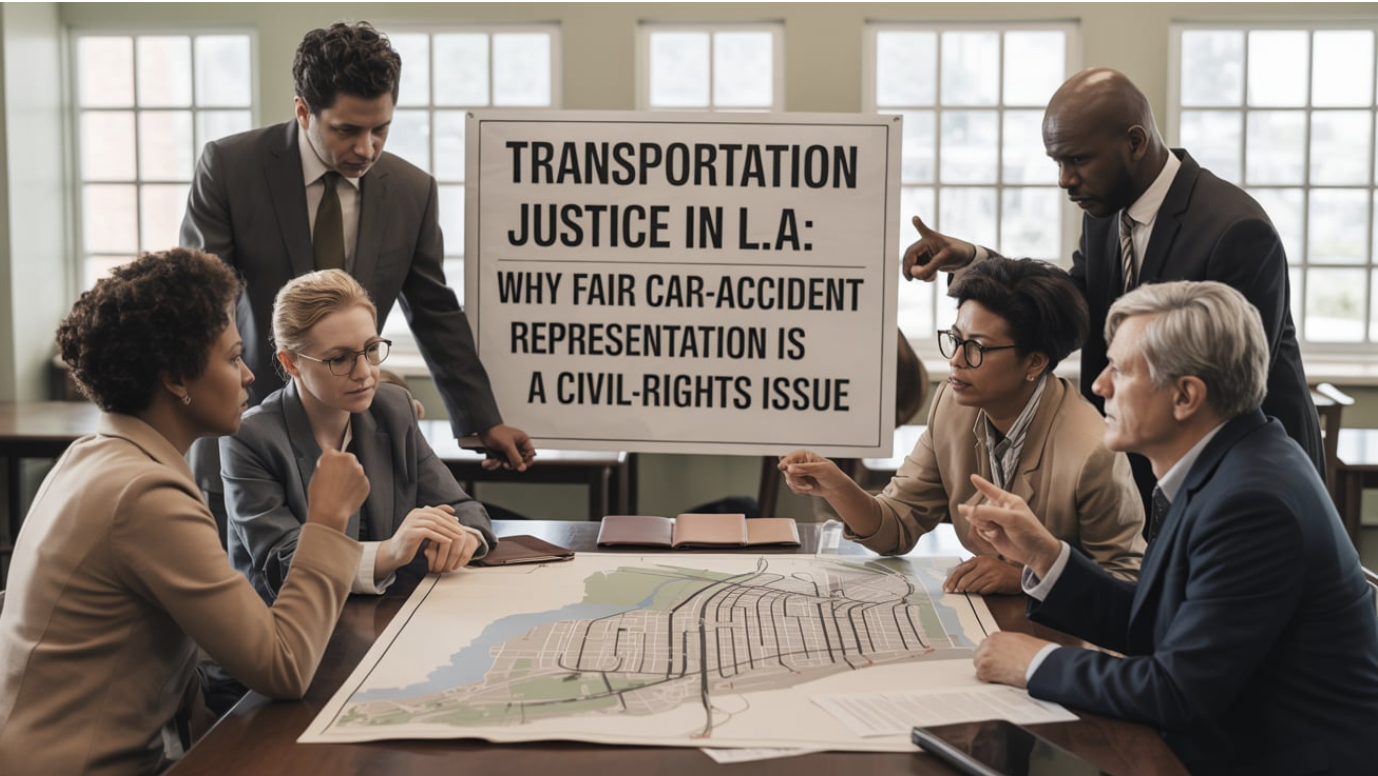
Los Angeles is famous for drive-time radio and freeway theatre, but beneath the city’s car-centric culture lies an uncomfortable equity problem: traffic danger and its economic fallout do not hit every neighborhood the same. When crashes occur, low-income families and people of color shoulder far higher health costs, wage losses, and even insurance premiums - making access to vigorous legal help a civil-rights necessity rather than a luxury.
The Inequity Hidden in Collision Data
Last year 336 Angelenos died in traffic crashes - more lives than were lost to homicide according to the Los Angeles Times. Those deaths, however, were not evenly distributed. A national “Dangerous by Design 2021” analysis found that Black pedestrians are struck and killed at an 82 percent higher rate than White pedestrians, and residents of the lowest-income ZIP codes face fatality rates nearly three times those in affluent areas - a pattern mirrored on L.A. streets. The findings, highlighted in Witness LA, reveal how road design, missing sidewalks, and high-speed arterials funnel extraordinary risk into already over-burdened communities.
The Cost Burden Lands Hardest on the Margins
Crash danger is only the beginning; the price tag that follows can destabilise a household for years. A National Highway Traffic Safety Administration report pegs the national economic cost of collisions at $340 billion a year - $1,035 for every American, most of it passed along through taxes and insurance premiums. Read the NHTSA study and one point stands out: nearly three-quarters of those costs fall on people who were never in the crash. In the L.A. region, deteriorated roads and chronic congestion add another layer; drivers lose an estimated $2,995 annually in repairs, wasted fuel, and crash-related delays, according to TRIP research. Families living pay-cheque to pay-cheque have no cushion for those bills, making any collision - no matter how “minor” - a potential eviction notice.
Insurance pricing compounds the squeeze. A review by the Consumer Federation of America found that predominantly Black ZIP codes pay about 60 percent more for the same coverage than largely White areas with similar crash histories. In other words, the people most likely to be hit on the road are also billed extra to insure the trip.
Related stories
Legal Representation as a Tool for Equity
“Too often, the size of your pocketbook decides the size of your settlement,” observes Burbank attorney Adrianos Facchetti, who has built a career representing crash victims from working-class neighbourhoods. “Level legal advocacy is the one lever that can convert a roadway tragedy into genuine financial recovery for families that otherwise have none.”
A knowledgeable car accident lawyer can do more than file paperwork. They calculate lifetime medical inflation, quantify lost household labour (think unpaid caregiving), and challenge the bias baked into insurer algorithms that undervalue claims from lower-income ZIP codes. That diligence matters because California juries often recognise community-wide harm: the state’s median personal-injury award hovers around $150,000 - roughly four times the national figure - pressuring insurers to negotiate fairer settlements upfront.
From Courtroom Wins to Community Reform
When individual cases succeed, they ripple outward. Structured settlements can fund college accounts, stabilise mortgage payments, or pay for adaptive vehicles - investments that halt the multigenerational slide into debt that traffic trauma so often triggers. At the policy level, verdicts that expose hazardous road conditions or discriminatory insurance practices create a paper trail cities cannot ignore, bolstering campaigns for speed-calming, bus-lane expansion, and equitable premium rules.
Yet none of that happens if victims forgo counsel because they believe representation is “too expensive” or “only for big cases.” Transportation justice, then, is inseparable from courtroom access. A city that accepts record traffic deaths while pricing victims out of effective legal recourse is reinforcing the very inequities it claims to fight.

Los Angeles cannot reach Vision Zero or any other safety benchmark while crash costs cling to poverty lines and skin colour. Statistics show the damage; lived experience proves the hardship. Ensuring that every Angeleno - regardless of income, ZIP code, or race - can secure strong, impartial legal help after a collision is not merely a private service. It is civil-rights work that transforms asphalt tragedies into pathways toward financial stability and systemic change.
Comments

Powered by RoundtableAn AI/DeFi-powered Enterprise Media Operating System. Learn more at Roundtable.io.© Roundtable 2026. By using this site you agree to the Terms of Use and Privacy Policy