



Dec 9, 2024 8:00 AM
Updated Dec 11, 2024 11:16 PM
Like all machinery, a refrigeration unit must be properly serviced on a regular basis if it is to operate efficiently.
Commercial refrigeration plays an integral part in the industries of food and beverage, hospitality, and retail. These systems work around the clock to keep perishable products fresh, safe, and of good quality. However, like all machinery, a refrigeration unit must be properly serviced on a regular basis if it is to operate efficiently. Preventative maintenance is one sure way to prolong the life of your commercial refrigeration system, minimize costly repairs, and keep energy efficiency high.
So, below, we will explore the importance of preventative maintenance, practical steps to maintain your refrigeration equipment, and the long-term benefits of keeping your systems in optimal condition.
Why Preventative Maintenance Matters
Commercial refrigeration units are always working, mostly 24/7, and are therefore prone to wear and tear. If not well maintained, minor issues can become major problems and cause very costly repairs or a complete failure of the system. Here’s why preventative maintenance from companies like Four Elements Service is important:
- Improved efficiency: It helps various components of the refrigeration system, such as compressors, fans, and coils, work very efficiently, lowering energy consumption and operating costs. A high-performance system saves utility bills by releasing less strain on the system. This will have long-term benefits of drastically reducing the carbon footprint from your refrigeration operations.
- Reduced downtime: Finding and treating small problems before they get worse prevents unexpected breakdowns and keeps the operations running without stoppage. Downtime leads to the loss of perishable goods, affecting your bottom line and customer satisfaction. Preventative maintenance keeps your equipment running smoothly, avoiding costly interruptions to your business.
- Extended life: The proper care minimizes wear and tear, letting your refrigeration system go an extra mile, which delays the need to make costly replacements. A well-cared-for system always outperforms a neglected unit, giving you a higher return on your investment. Extending the life of your equipment reduces the environmental impact, lowering the demand for new manufacturing.
- Food safety compliance: Regular checks help maintain consistent temperatures, protecting perishable goods and ensuring compliance with food safety regulations. Inconsistent temperatures can lead to spoilage and safety concerns, potentially damaging your reputation and leading to regulatory penalties. Proactive maintenance will ensure your refrigeration system meets the stringent requirements of the food and beverage industry.
Related stories
Practical Steps for Preventative Maintenance
It is not necessary for a preventive maintenance schedule to be complex in nature. Other essential steps involve the following in keeping your commercial refrigeration at its best performance:
Regular Cleaning of Coils
Dirty condenser and evaporator coils reduce heat exchange efficiency, causing the system to work harder and consume more energy. Clean the coils at least once a month to remove dust, grease, and debris. Neglecting this step can lead to overheating, reduced cooling performance, and increased energy bills. Regular coil cleaning also extends the life of the compressor, a critical and often costly component of the system.
Check and Replace Door Seals
Damaged or worn door gaskets allow cold air to escape, making the system work harder than usual to maintain temperature. Regularly inspect the seals for any signs of cracking, tearing, or other openings and replace them if you see any. Well-sealed doors maintain a uniform cooling without energy waste. On top of that, maintaining airtight seals safeguards stored products from temperature fluctuations, ensuring their quality and safety.
Monitor Temperature Settings
Ensure the thermostat is calibrated right to maintain the optimal temperature of the stored goods. Wide fluctuations may indicate malfunctioning, requiring your immediate attention. Regular monitoring also helps you detect inefficiencies early, reducing the risk of any item getting spoiled. A log of temperature readings ensures compliance with the requirements for food safety and allows a look at the system performance over time.
Check on Fans and Motors
Fans and motors circulate air within the unit. Listen regularly for unusual noises or vibrations and clean them periodically to prevent overheating, as accumulated dust and debris buildups invite overheating. Wear and tear on the fans or malfunctioning will cause poor cooling and increased energy consumption. Timely servicing of the fans avoids overloading the rest of the components and allows even distribution of air within the unit.
Drain Line Maintenance
This could lead to buildup, which might further lead to odors or even damage to the unit. Drain lines are supposed to be inspected and cleaned regularly to ensure proper flow. Further, backed-up drain lines often result in leaks that will probably damage flooring or other equipment. Further, regular maintenance averts the growth of mold or bacteria, which may compromise standards related to hygiene and safety.
Schedule Professional Inspections
While minor issues can be handled through routine maintenance, there is a need for professional inspections to diagnose hidden problems. Experts in the field can check on refrigerant levels, inspect electrical components, and test system performance. Professional evaluation ensures that the system operates at peak efficiency and can avoid costly repairs later on. These should be scheduled at least twice a year as a proactive measure to maintain reliability and compliance with industrial standards.

Long-Term Benefits of Preventative Maintenance
Preventative maintenance has many advantages for companies using commercial refrigeration, including:
Cost Savings
Regular maintenance minimizes energy use and avoids costly repairs or replacement, thus saving money over time. By handling small problems before they escalate, expensive emergency repairs or overhauls of the system can be avoided. Moreover, high performance minimizes energy costs, enabling a company to utilize its resources better.
Improved Performance
Well-serviced systems tend to perform better, maintaining constant temperatures and therefore the quality of products. A high-performance refrigeration unit minimizes variations in temperatures, which is essential in storing perishables. High performance prolongs the life of the equipment by delaying replacement, thereby giving full value for your money.
Peace of Mind
Knowing your equipment is in top condition greatly minimizes the risk of unexpected failure and downtime. A reliable refrigeration system ensures continuous operations and reduces stress, with possible revenues at risk. With regularly scheduled preventive maintenance, you can be confident that equipment will perform when needed while you attend to running the business.
Environmental Benefits
Energy-efficient systems lower your carbon footprint, hence enabling sustainability. You avoid wasting energy unnecessarily when you maintain your refrigeration unit for better greenhouse gas emissions. Such environmentally friendly operations will not only save your costs but also capture other consumers’ attraction to various sustainable business practices that restore your brand's reputation.
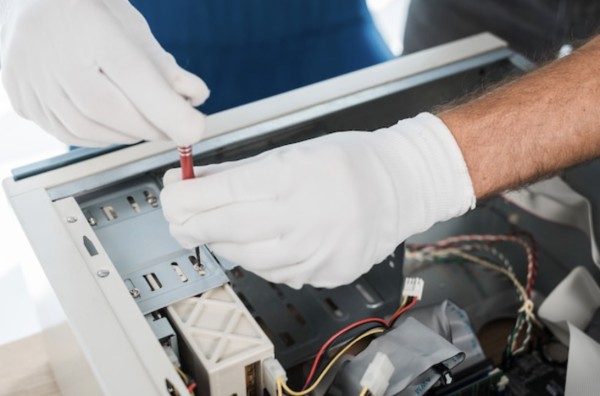

Preventative maintenance is the foundation of extending your commercial refrigeration’s life and ensuring that it works reliably and efficiently. By cleaning components, checking for damage, and scheduling professional inspections, you can avoid costly repairs, reduce energy consumption, and stay compliant with safety standards. Regular maintenance not only safeguards your investment but also smooths the operations of your business, with your refrigeration system serving your needs for years to come.
Comments

Powered by RoundtableAn AI/DeFi-powered Enterprise Media Operating System. Learn more at Roundtable.io.© Roundtable 2026. By using this site you agree to the Terms of Use and Privacy Policy