


May 2, 2025 7:00 AM
Updated May 7, 2025 6:27 AM
The clash of a European sword forged with durability and brute strength in mind might challenge the katana's fabled superiority.
The katana is often viewed as a crowning achievement in sword making. Its signature design is revered for unmatched skill and artistry. What if this celebrated weapon isn't as unbreakable as its reputation suggests?
The clash of a European sword forged with durability and brute strength in mind might challenge the katana's fabled superiority. Could the elegant precision of a katana withstand the raw power of a European blade, or would it shatter under pressure? Examining metallurgy, design, and combat dynamics will reveal whether the katana's myth holds up against its Western counterpart.
Understanding the Design and Materials
The design and materials of each sword are crucial in determining its effectiveness in combat. Consider the key differences in construction, materials, and intended use:
Katana: Mastery of Precision and Cutting Power
The katana's curved blade is renowned for delivering sharp and precise cuts. Forged from tamahagane, the repeated folding technique helps purify the steel and achieve a uniform structure. This process enhances the blade's flexibility and sharpness.
Related stories
However, the katana's edge is strengthened to preserve its razor-like sharpness, increasing its brittleness under lateral force. That means although the katana excels at cutting, it's vulnerable to break when struck with significant pressure. Its design prioritizes elegance and cutting efficiency over durability in direct collisions.
European Sword: A Tool of Versatility and Strength
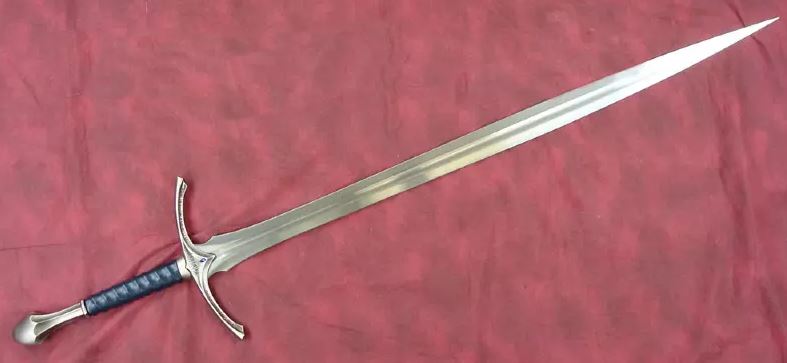
European swords are built for resilience and adaptability. Unlike the katana, their straight, double-edged design supports a variety of combat techniques, including thrusting, slashing, and blocking. Carbon steel is the standard material for making these swords. It emphasizes strength over extreme sharpness.
The tempering and quenching process produces a solid, resistant blade capable of handling stress without bending or breaking.
European swords vary in design. They include longswords and arming swords, each crafted for versatility in combat. Their construction is robust enough to endure repeated strikes, making them excel in prolonged combat involving heavy armor.
Katanas are precision tools optimized for cutting finesse. European swords are robust weapons built for enduring versatility. This fundamental difference in design and materials sets the stage for understanding how each blade performs in confrontation.
Mechanical Properties: Strength vs. Flexibility
Consider how each sword's materials and construction respond to force when evaluating durability.
Durability Under Stress
European swords are built to endure forceful collisions. Their carbon steel composition and tempered structure allow them to absorb impacts without breaking or bending significantly. This toughness makes them highly reliable in high-stress situations, such as armor-clashing combat. In contrast, katanas focus on maintaining a razor-sharp edge, which requires harder steel. While this enhances cutting ability, it makes the blade more brittle. A katana's sharp edge can crack or chip under intense stress, particularly in lateral strikes or direct clashes with heavier weapons.
Edge Retention and Blade Deformation
Due to its hardened steel construction, the katana's edge retention is exceptional. It maintains a sharp cutting surface even after repeated use. However, this sharpness comes at a cost. Hardened steel is less forgiving under heavy blows, increasing the risk of chipping.
European swords, by contrast, balance sharpness with durability. Their softer, tempered steel may dull faster but is less likely to chip or deform in combat. This trade-off between sharpness and flexibility reflects each sword's intended use: precision cutting for the katana and versatile resilience for the European sword.
In combat, these mechanical differences determine how each sword reacts to stress. The European sword's flexibility and strength give it a practical edge in prolonged, forceful engagements. At the same time, the katana excels in controlled, precise strikes.
Scenarios Where a European Sword Could Break a Katana
Understanding the circumstances where a European sword might break a katana requires analyzing material limitations, combat techniques, and external factors. Explore these scenarios in detail:
Material Weaknesses and Manufacturing Differences
A katana's edge is tough but brittle, making it vulnerable to cracking under immense stress. In a direct clash, a European sword's softer, tempered steel can absorb the impact, while the katana's rigid edge might fracture.
The difference in forging techniques also plays a role. European swords are designed for flexibility, distributing force more evenly during impact. Katanas, optimized for slicing, lack this flexibility, increasing the chance of damage when struck at certain angles.
Combat Dynamics
In combat, technique and blade interaction matter. A katana is built for quick, slicing strikes and avoids direct blade-on-blade contact. If a European sword's heavier blade strikes the katana's flat or edge during a misaligned parry, the katana could crack or break. Thrusting techniques, standard in European swordplay, also create focused stress points that the katana's brittle edge may struggle to withstand.
Environmental and Maintenance Factors
Environmental conditions can influence a katana's durability. Exposure to moisture or improper maintenance can weaken steel, increasing the risk of failure under impact. With simpler forging and less reliance on a sharp edge, European swords are more resistant to environmental damage. If a poorly maintained katana were to meet a robust European sword, its structural integrity would likely fail first.
These scenarios highlight that a European sword can break a katana. Still, the outcome depends on material properties, combat techniques, and external conditions.
Cultural and Practical Perspectives
Weapon Purpose and Battlefield Context
The katana reflects the samurai's focus on precision and discipline. It was designed for duels or cutting through unarmored opponents with swift, decisive strikes. Japanese combat rarely involved prolonged engagements against heavily armored foes, influencing the katana's specialized design.
Conversely, European swords evolved for versatility. Medieval battlefields demanded weapons capable of thrusting, slashing, and enduring repeated impacts against armor and shields. This practical need shaped European swords into durable, multipurpose tools for survival in chaotic and prolonged combat scenarios.
Modern Tests and Experiments
Contemporary tests comparing katanas and European swords offer valuable insights. Experiments reveal that katanas excel in clean cuts on stationary targets but falter under direct impact or improper alignment. On the other hand, European swords demonstrate resilience in simulated combat and destructive testing.
Videos and expert analyses often showcase how the European sword's flexibility and structural integrity outperform the katana in scenarios involving blade-on-blade collisions. While not definitive, these tests underscore how the weapons' distinct purposes influence their performance.
The katana and European sword embody their time's cultural values and practical needs. The katana's elegance and precision suited the samurai code, while the European sword's robustness reflected the demands of unpredictable, armor-heavy warfare. Understanding these perspectives offers a deeper appreciation for both weapons beyond their physical properties.

Conclusion
Whether a European sword could break a katana reveals more than a simple clash of blades. It highlights the fascinating interplay of design, culture, and combat philosophy. The katana's unmatched precision contrasts with the European sword's rugged adaptability, each crafted to meet the needs of vastly different battlefields. While the European sword's durability gives it an edge in specific scenarios, the katana's elegance and cutting power remain unparalleled.
Comments

Powered by RoundtableAn AI/DeFi-powered Enterprise Media Operating System. Learn more at Roundtable.io.© Roundtable 2026. By using this site you agree to the Terms of Use and Privacy Policy