


Aug 2, 2025 7:00 AM
Updated Aug 5, 2025 8:19 PM
Robotics may seem overwhelming due to the many components involved, but understanding them simplifies the process.
Building and fixing robots is a fun and rewarding experience for anyone, whether you're just starting out or have years of practice. Robots rely on important parts that work together to make them move, think, and do tasks well. Knowing these key parts can help you create better robots and solve problems faster.
Keep reading to discover the essential robot components that will take your projects to the next level.
Understanding the Basics of Robot Parts
Robotics may seem overwhelming due to the many components involved, but understanding them simplifies the process. It blends mechanics, electronics, and computer science, so understanding how these areas connect is important. Motors, sensors, controllers, and power supplies work together to help your robot move, sense, and carry out tasks.
Motors: The Heart of Movement
Motors are what make a robot move by turning electrical energy into motion. They can create different types of movement, like spinning or sliding in a straight line. Two common motors in robotics are DC motors, which are easy to use and great for many projects, and servo motors, which offer precise control for tasks that need accuracy.
Related stories
Choosing the right motor is key to making your robot work well, especially when you need speed or exact movements. DC motors are great for general use, while servo motors are perfect for robots that need to move carefully, like robotic arms. Knowing how to use these motors helps you build robots that do exactly what you want.
Sensors: The Robot's Perception System
Sensors help robots collect information about the world around them, which is key for moving and interacting. Different sensors serve different purposes, like proximity sensors that detect nearby objects to avoid collisions. Optical sensors, such as cameras and light detectors, let robots see and recognize things, while temperature sensors monitor heat levels for safety and control.
Picking the right sensors can change how well a robot works for its tasks. If your robot requires safe movement, proximity sensors are essential. For robots that need to see or understand their environment better, optical sensors are important. Knowing which sensors fit your project helps make your robot smarter and more useful.
Controllers: The Brain of the Robot
Controllers act as the brain of a robot, taking in data from sensors and directing motors on what to do. Microcontrollers are small, simple chips that are great for beginners and easy projects. They handle basic commands and control tasks without much complexity.
For bigger projects, single-board computers are stronger and can do smart tasks like seeing and learning. These controllers are better suited for robots that need to think and react quickly. Choosing the right controller depends on how simple or complex your robot needs to be.
Power Supplies: Keeping Your Robot Alive
A robot needs a steady power supply to work properly. The type of power you choose depends on what your robot needs and how much energy its parts use. Batteries are popular because they are easy to carry and use, with lithium polymer and lithium-ion types being lightweight and strong.
For robots that stay in one place, AC power adapters are a good option since they provide continuous power. However, they limit the robot's movement because the robot must stay plugged in. Making sure your power supply fits the voltage and current needs of your motors and electronics is important for smooth performance.
Connecting It All: Wiring and Networking
Connecting robot parts is an important part of building and fixing robots. Proper wiring helps prevent problems and keeps everything working well. Using color-coded wires makes it easier to know which wire goes where, reducing mistakes during setup and repairs.
Keeping wires neat and organized stops tangles and interference, making future fixes simpler. In some advanced robots, wireless communication can replace wires, allowing control from a distance. Technologies like Bluetooth and Wi-Fi are popular choices to help robots work smoothly and flexibly.
Software for Control and Programming
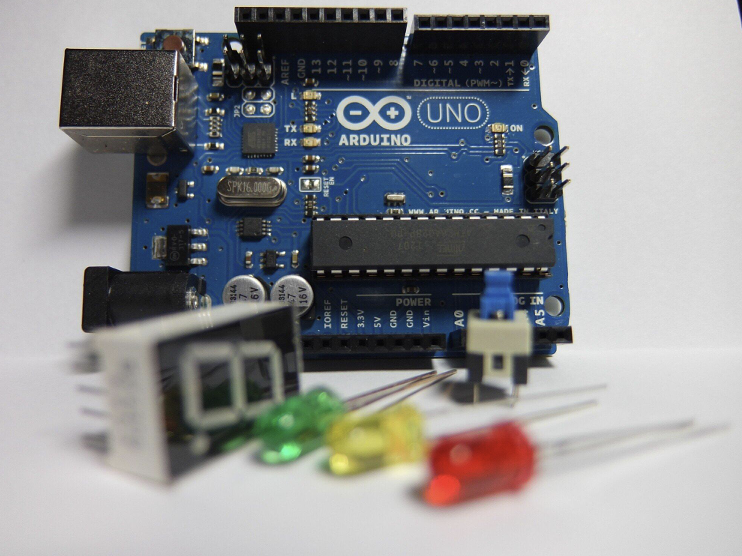
Software is a key part of building and fixing robots, though it is often overlooked. The software controls how the robot acts and reacts to the world around it. Many people use open-source platforms like Arduino and Raspberry Pi, which are flexible and supported by large communities.
Some robot makers provide their own special software designed to work best with their parts. This proprietary software can make building easier and faster. Picking the right software depends on your coding skills and what your robot needs to do.
Choosing the Right Robot Parts
Choosing the right robot parts means thinking about your budget, goals, and skill level. Doing some research helps, especially if your robot will be used in certain industries or schools. It's important to know what your robot needs to do before buying any parts.
Reading reviews from other users can help you pick good components that work well. You should also check that all parts fit and work together smoothly to avoid problems. Picking the right parts makes building and fixing your robot easier and helps it perform better overall.
Maintaining and Upgrading Robot Parts
Regular maintenance is important to keep your robot working well for a long time. Checking parts often helps catch problems caused by wear and tear before they get worse. This keeps your robot running smoothly and reduces the chance of sudden breakdowns.
Updating software regularly is also key, as new versions bring better features and fixes. When components become outdated or sluggish, upgrading to newer parts can enhance your robot's performance. By caring for your robot this way, you make sure it stays reliable and useful for many projects to come.
Master the Basics to Build Better Robots
Knowing the key parts of a robot and how they work is important for anyone interested in robotics. Motors, sensors, controllers, and power supplies all play vital roles in making robots function smoothly. With the right tools and understanding, you can build or fix robots that fit your goals and ideas.

Take the next step by exploring different robot parts and how they can help you create smarter, more efficient machines. Using the right components will make your projects easier and more successful.
Check out our blog for more tips and guides to fuel your robotics journey and keep your skills growing.
Comments

Powered by RoundtableAn AI/DeFi-powered Enterprise Media Operating System. Learn more at Roundtable.io.© Roundtable 2026. By using this site you agree to the Terms of Use and Privacy Policy