


Equality in Criminal Law
Oct 27, 2024 7:00 AM
Updated Oct 30, 2024 4:34 AM
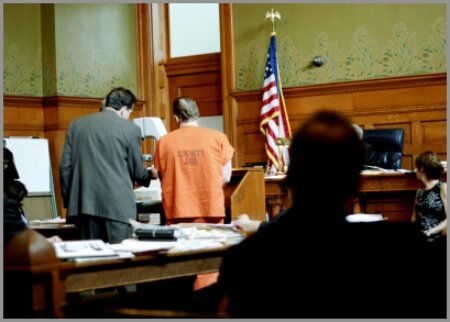
The well-off are likely to get favorable verdicts while others not fortunate enough to have the means are left to face the nasty processes of the law.
Socioeconomic status is one of the determinants in criminal law's disposition. When people of low-income backgrounds go through criminal justice, there is much disparity compared to the wealthier counterparts. From the ability to pay for highly qualified counsel to the economic burdens produced by court fees, fines, and bail, economic disparity creates a deeply uneven playing field. Thus, in this case, the well-off are likely to get favorable verdicts while others not fortunate enough to have the means are left to face the nasty processes of the law.
Access to Legal Representation
The most obvious of all those ways in which socio-economic status influences criminal law outcomes relates to access to legal representation. Wealthier defendants hire private lawyers, who can invest the time and resources that a prudent defense often requires. Those from low socioeconomic backgrounds often rely on public defenders who may be overburdened and underfinanced. The status of the representation greatly affects the nature of the defense a defendant gets; therefore, wealthy defendants are usually better, more personal, and strategic in defending themselves. This creates an enormous inequality in the administration of justice, in which vastly different legal outcomes are possible based exclusively on one's financial resources. The process, accordingly, produces inequality.
Bail and Pretrial Detention
Bail policies further reinforce the role of socioeconomic status as a driving force in criminal law outcomes. Those defendants who happen to be able to post bail are afforded the courtesy of being allowed to wait for trial from the comforts of their own homes. On the other hand, those who cannot post bail are kept in pretrial detention, which can result in job losses, financial crisis, and emotional distress. Studies have shown that defendants staying incarcerated while awaiting trial often plead guilty to crimes-even if innocent-just to get themselves out of detention. This practice not only entrenches inequality but also shows a gross perversion of the justice system.
Sentencing Disparities and Socioeconomic Bias
Another domain of criminal law where socioeconomic status often comes into play is in that of sentencing. Wealthy defendants have options of sentence mitigation, such as paying their way into rehabilitation programs, being able to pay fines, or having options for community service. Individuals from lower economic classes do not have these options, resulting in longer sentences, even up to imprisonment. This just makes the biases in the sentencing decisions add to inequality in justice, as those with lesser means are definitely going to bear the full brunt of the law. This constitutes one of the ways in which economically disadvantaged individuals end up being overrepresented in the prison system, reinforcing cycles of poverty and inequality.
Related stories
The Role of Plea Bargaining
Another area in which socioeconomic status can heavily influence criminal law outcomes is in plea bargaining. For defendants of limited financial means, the pressure to plead out is strong: Costs are high and sentences can be much more severe if one loses at trial. This means the criminal lawyer of people of different social classes may be different. What emerges is a process where plea bargains disproportionately affect those with less means than others, exacerbating inequality in the proceedings and dispositions of criminal cases.
The Long-Term Consequences of Criminal Convictions
Consequences related to criminal convictions can also diverge for longer-term results depending on socioeconomic position. For example, a person of means may be in an advantageous position whereby they attempt to rebuild after conviction through networking, family support, or even rehabilitation and education programs. The less fortunate may find it much harder to gain employment or housing due to the stigma associated with having a criminal conviction and hence be more deeply mired in poverty cycles. These barriers have a cumulative effect: individuals from the lowest level of socioeconomic status are often disadvantaged throughout their entire life because of their contact with the criminal justice system, hence perpetuating inequality.

This calls for huge reforms in the justice system if the effects of socioeconomic status on the outcomes of criminal law are to be reduced. Ensuring that all, irrespective of financial resources, are provided with quality legal representation is a step toward fairness. It also demands reforms in policy on bail and sentencing so as to reduce the part that wealth may play in the decisions of justice. A lawyer who is fair in the performance of his work in the justice system will, therefore, highlight such discrepancies and work towards their complete abolishment. With the solution of these matters, criminal justice can be made square with equity and justice for all people in society.
Comments

Powered by RoundtableAn AI/DeFi-powered Enterprise Media Operating System. Learn more at Roundtable.io.© Roundtable 2026. By using this site you agree to the Terms of Use and Privacy Policy