


Dec 2, 2025 8:00 AM
Updated Dec 5, 2025 10:11 PM
Urban planners have begun to understand that water features function as more than decorative elements or cooling mechanisms.
The Psychological Pull of Moving Water
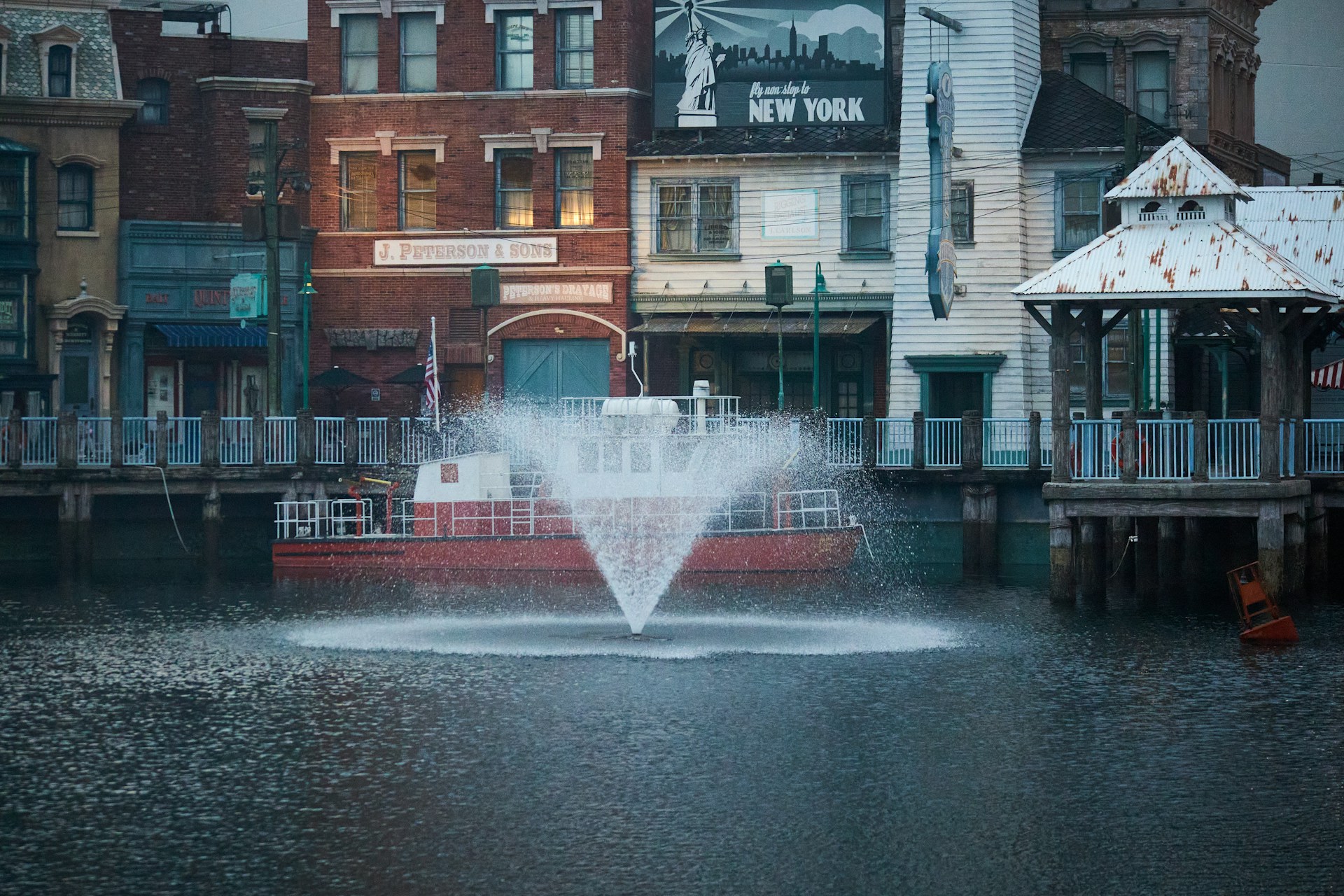
There's something almost magnetic about fountains in public squares. Watch people navigate a plaza and you'll notice how they naturally gravitate toward water features, lingering longer than they intended, unconsciously slowing their pace as they approach. This isn't mere coincidence—it's a response hardwired into human psychology over millennia of evolution alongside rivers, streams, and natural water sources.
Urban planners have begun to understand that water features function as more than decorative elements or cooling mechanisms. They serve as psychological anchors in chaotic urban environments, providing focal points that help people orient themselves both spatially and emotionally. The presence of moving water transforms sterile concrete plazas into spaces that feel alive and welcoming, even when surrounded by harsh architectural elements.
The effect works on multiple sensory levels simultaneously. Visually, water adds movement and sparkle to static environments, creating dynamic patterns that capture attention without overwhelming it. The reflective properties of water multiply and soften surrounding light, making entire spaces feel more luminous and less oppressive. But perhaps most importantly, water introduces natural sounds that mask urban noise pollution while providing auditory cues that signal safety and comfort to our ancient minds.
Engineering Serenity Through Sound Design
Modern water features are sophisticated acoustic instruments designed to produce specific psychological effects. The simple fountain spouting water straight up into the air has evolved into complex systems where water flows, drops, trickles, and cascades over carefully chosen surfaces to create precisely engineered soundscapes.
Related stories
The acoustic properties of different water interactions vary dramatically. Water falling from height onto stone creates crisp, punctuated sounds that can energize a space and provide effective masking for traffic noise. Water flowing over textured surfaces produces softer, more continuous sounds that encourage contemplation and relaxation. Shallow streams moving over pebbles create gentle babbling that feels intimate and natural, while deeper pools generate subtle lapping sounds that suggest stability and permanence.
Sound engineers working on public space design have discovered that the key to successful water acoustics lies in layering different types of water sounds to create complex, natural-feeling sonic environments. A well-designed fountain might combine the dramatic splash of a central jet with the gentle overflow of tiered basins and the quiet trickle of water moving through decorative channels. This layered approach prevents any single sound from becoming monotonous while creating acoustic richness that rewards extended listening.
The materials water interacts with become crucial components of the sonic design. Smooth marble produces clean, crisp reflections, while rough stone creates more diffuse, organic sounds. Metal surfaces add brightness and clarity, while wood introduces warmth and softness. Designers can tune the acoustic character of water features by selecting specific combinations of materials, flow rates, and drop heights to achieve desired psychological effects.
The Economics of Urban Tranquility
Creating effective water features in public spaces requires significant investment that goes far beyond initial construction costs. These systems need constant maintenance, regular cleaning, and substantial energy inputs for pumps and filtration. In many cities, the operating costs of public fountains exceed the budgets of entire park systems, raising questions about priorities in urban spending.
Yet the economic benefits of well-designed water features often justify these costs through increased property values, enhanced retail activity, and reduced social problems in surrounding areas. Public spaces with successful water features tend to attract higher-quality businesses and more affluent residents, generating tax revenues that can offset maintenance expenses. The presence of soothing water sounds also correlates with reduced crime rates and vandalism, as these features encourage legitimate use of public spaces while discouraging antisocial behavior.
The maintenance challenges are substantial. Urban water features must handle pollution, debris, and weather extremes while maintaining consistent acoustic performance. Algae growth can alter water flow patterns and change sound characteristics. Mineral deposits affect both visual appearance and acoustic properties. Seasonal shutdowns in cold climates create gaps in the acoustic landscape that can make spaces feel incomplete during winter months.
Some cities have experimented with recorded water sound effects as cost-effective alternatives to actual water features, but these digital solutions rarely achieve the psychological impact of real flowing water. The complexity and randomness of natural water sounds seem impossible to replicate convincingly through speakers, and people unconsciously recognize the difference between authentic and artificial water audio.
Cultural Variations in Water Appreciation
Different cultures have developed distinct relationships with water in public spaces, influencing how fountains and waterways function in various urban contexts. Mediterranean societies have long traditions of public fountains serving both practical and social functions, creating gathering places where water sounds provide pleasant backgrounds for conversation and community interaction.
Islamic architectural traditions use water features as cooling elements and symbols of paradise, often incorporating geometric flow patterns that create rhythmic, meditative sounds. Japanese design philosophy emphasizes subtle water elements that change character throughout seasons, using features like bamboo fountains that create periodic sounds rather than continuous flow.
Northern European approaches tend toward more naturalistic water features that mimic local landscapes, while American urban planning often favors dramatic fountains designed to create focal points and civic pride. These cultural differences affect not just the visual design of water features but their acoustic characteristics and intended psychological effects.
The Future of Aquatic Urban Design
Climate change and water scarcity are forcing designers to rethink traditional approaches to public water features. Recirculating systems that minimize water consumption have become standard, while some installations use recycled or greywater to reduce environmental impact. These practical constraints are driving innovation in fountain design, leading to more efficient systems that maximize acoustic impact while minimizing resource consumption.
Smart fountain systems now adjust flow rates and patterns based on ambient noise levels, time of day, and crowd density. Sensors can detect when spaces are heavily used and increase water flow to provide better noise masking, then reduce flow during quiet periods to conserve energy and water. Some experimental installations even respond to weather conditions, creating more dramatic sounds during storms while scaling back during calm periods.
The integration of water features with other urban infrastructure offers new possibilities for creating soothing public environments. Storm water management systems can be designed to create pleasant sounds during rainfall, while cooling systems for buildings can incorporate water features that serve both mechanical and aesthetic functions.

As cities become denser and noisier, the role of water in creating psychological refuge becomes increasingly important. The challenge lies in balancing the human need for natural sounds with practical constraints around cost, maintenance, and environmental responsibility. The most successful solutions will likely combine traditional water wisdom with innovative technologies that make aquatic serenity both achievable and sustainable in urban environments.
Comments

Powered by RoundtableAn AI/DeFi-powered Enterprise Media Operating System. Learn more at Roundtable.io.© Roundtable 2026. By using this site you agree to the Terms of Use and Privacy Policy