


Feb 7, 2026 8:00 AM
Updated Feb 12, 2026 2:07 AM
The combination of enclosed walls and wide access doors makes these structures suitable for both static storage and frequent daily use.
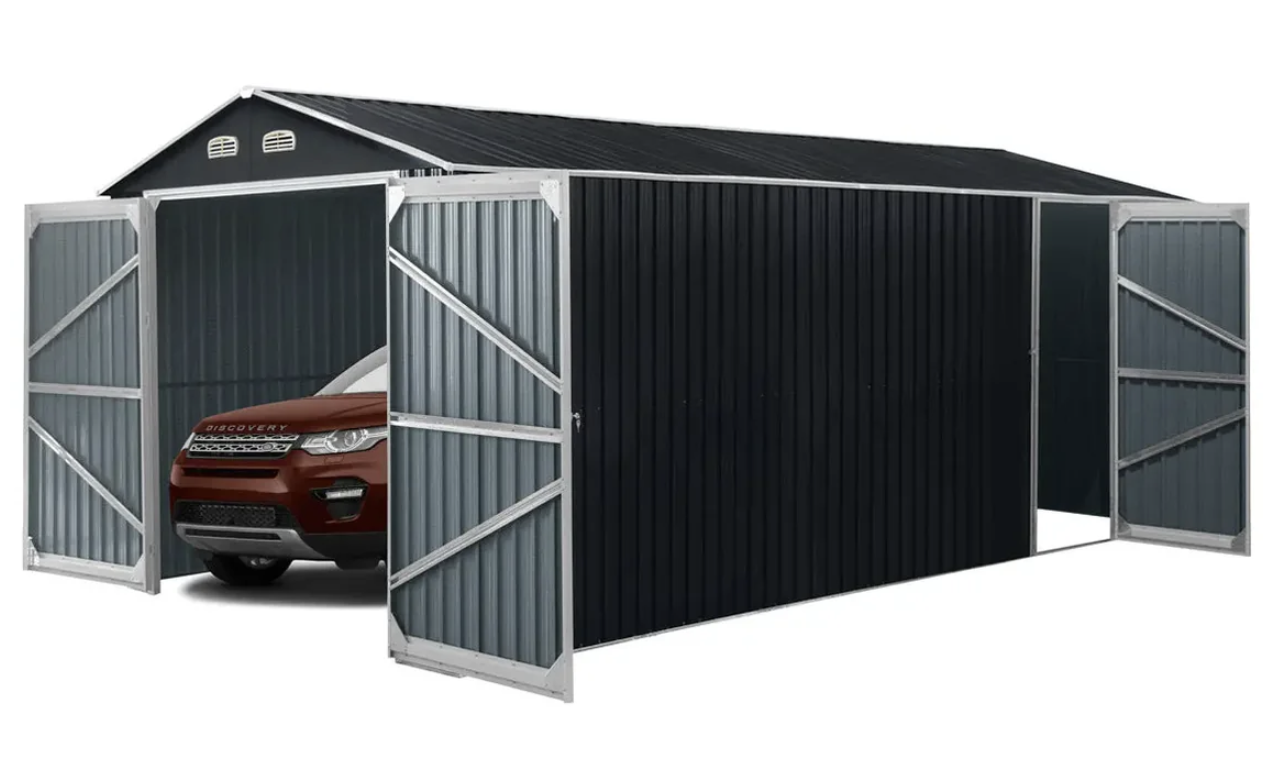
Across industrial, logistics, and light commercial environments, secure storage plays a critical role in protecting assets, maintaining workflow efficiency, and supporting safety standards. Equipment, tools, vehicles, and inventory are often exposed to weather, unauthorized access, and operational congestion when storage planning is inadequate. As operations scale, the need for dedicated, durable, and flexible structures becomes more apparent. A solution such as the 10’ x 20’ Metal Garage Shed with Double Front Doors is commonly used to address these challenges in a wide range of industrial settings.
Overview of Storage Structures and Use Cases
Metal garage sheds are widely adopted across warehouses, logistics yards, agricultural operations, and service facilities. Their modular design allows them to function as equipment storage, vehicle shelters, maintenance areas, or overflow inventory space. Typical use cases include:
- Storing forklifts, pallet jacks, and small service vehicles
- Housing tools, spare parts, and maintenance supplies
- Providing covered workspace for repairs or inspections
- Supporting seasonal storage needs in logistics yards
The combination of enclosed walls and wide access doors makes these structures suitable for both static storage and frequent daily use.
Related stories
Efficiency, Safety, and Productivity Benefits
Proper storage infrastructure contributes directly to operational efficiency. Organized equipment storage reduces search time, minimizes handling damage, and improves space utilization. From a safety standpoint, enclosed sheds protect materials from environmental exposure that can lead to corrosion, degradation, or slipping hazards. Clear access points also help reduce congestion around loading zones and work areas, supporting smoother traffic flow within industrial sites.
Technical Fundamentals and Capacity Considerations
A 10 foot by 20 foot metal shed offers a balanced footprint that fits well within most commercial properties while providing sufficient internal volume for equipment and materials. Structural considerations include steel panel thickness, frame rigidity, roof load capacity, and anchoring requirements. Double front doors allow wider clearance for equipment entry, while side doors support pedestrian access without disrupting stored items.
When planning installation, site managers must consider ground preparation, local wind or snow loads, and zoning or permitting requirements. Proper foundation preparation ensures long term stability and structural integrity.
Factors That Affect Performance and Longevity
Several factors influence how effectively a metal garage shed performs over time:
- Quality of steel coating and corrosion resistance
- Ventilation and moisture control within the structure
- Frequency and type of equipment traffic
- Proper anchoring to prevent movement during severe weather
Routine inspections help identify loose fasteners, panel wear, or drainage issues before they affect usability.
Safety Considerations and Best Practices
Even simple storage structures require defined safety procedures. Best practices include:
- Maintaining clear access paths around door openings
- Ensuring doors are secured during high wind conditions
- Storing heavier equipment toward the rear or sides for balance
- Using appropriate lighting if the shed supports active work
Clear signage and internal organization further reduce the risk of accidents during daily operations.
Equipment Types and Supporting Systems
Metal garage sheds are often paired with racking systems, wall mounted tool storage, and portable lighting. In logistics environments, they may support charging stations for electric equipment or serve as protected staging areas. Compared to fabric shelters, metal structures offer higher resistance to impact, weather, and long term wear, though they may require more involved installation.
Pros, Cons, and Operational Limitations
Key advantages include durability, low ongoing maintenance, and adaptability to different industrial uses. Metal sheds provide year round protection and can remain in service for many years with minimal upkeep.
Limitations may include reduced portability once installed and the need for adequate site preparation. Unlike permanent buildings, they may offer limited insulation unless additional materials are added.
Real World Application Scenario
In a regional distribution center, a metal garage shed is used to store pallet handling equipment and maintenance tools near the loading dock. This reduces travel distance for operators, improves response time during equipment issues, and keeps essential tools protected from weather exposure. The structure also helps maintain a cleaner and more organized yard layout.
Conclusion: Key Takeaways and Future Trends
The 10’ x 20’ Metal Garage Shed with Double Front Doors represents a practical storage solution for industrial and logistics operations seeking durability and operational flexibility. As facilities continue to optimize space usage and asset protection, demand for modular metal storage structures is expected to grow. Manufacturers such as TMG Industrial continue to support this trend by offering scalable storage solutions that align with modern operational needs.
Comments

Powered by RoundtableAn AI/DeFi-powered Enterprise Media Operating System. Learn more at Roundtable.io.© Roundtable 2026. By using this site you agree to the Terms of Use and Privacy Policy