


Feb 9, 2026 8:00 AM
Updated Feb 13, 2026 1:00 AM
The current stressful atmosphere makes many individuals look forward to red light therapy as a means of tackling mental disorders.
Our mental health is the driving force behind all the things that we do, whether it is the humdrum tasks of daily living or the complex processes involved in decision-making. However, the demands of the modern world, fueled by financial difficulties and the never-ending comparisons that take place in the world of technology, have made the upkeep of mental health even more difficult than before. For the most part, we have used medication and therapy. However, the advent of health technology has given us red light therapy.
It helps mental afflictions in a natural manner through the employment of low waves of the red and near-infrared spectrum. The current stressful atmosphere makes many individuals look forward to red light therapy as a means of tackling mental disorders. Through this blog, we will examine the manner in which emerging wellness technology, namely red light therapy, can improve one’s mental well-being.
Understanding Red Light Therapy and Its Mechanism
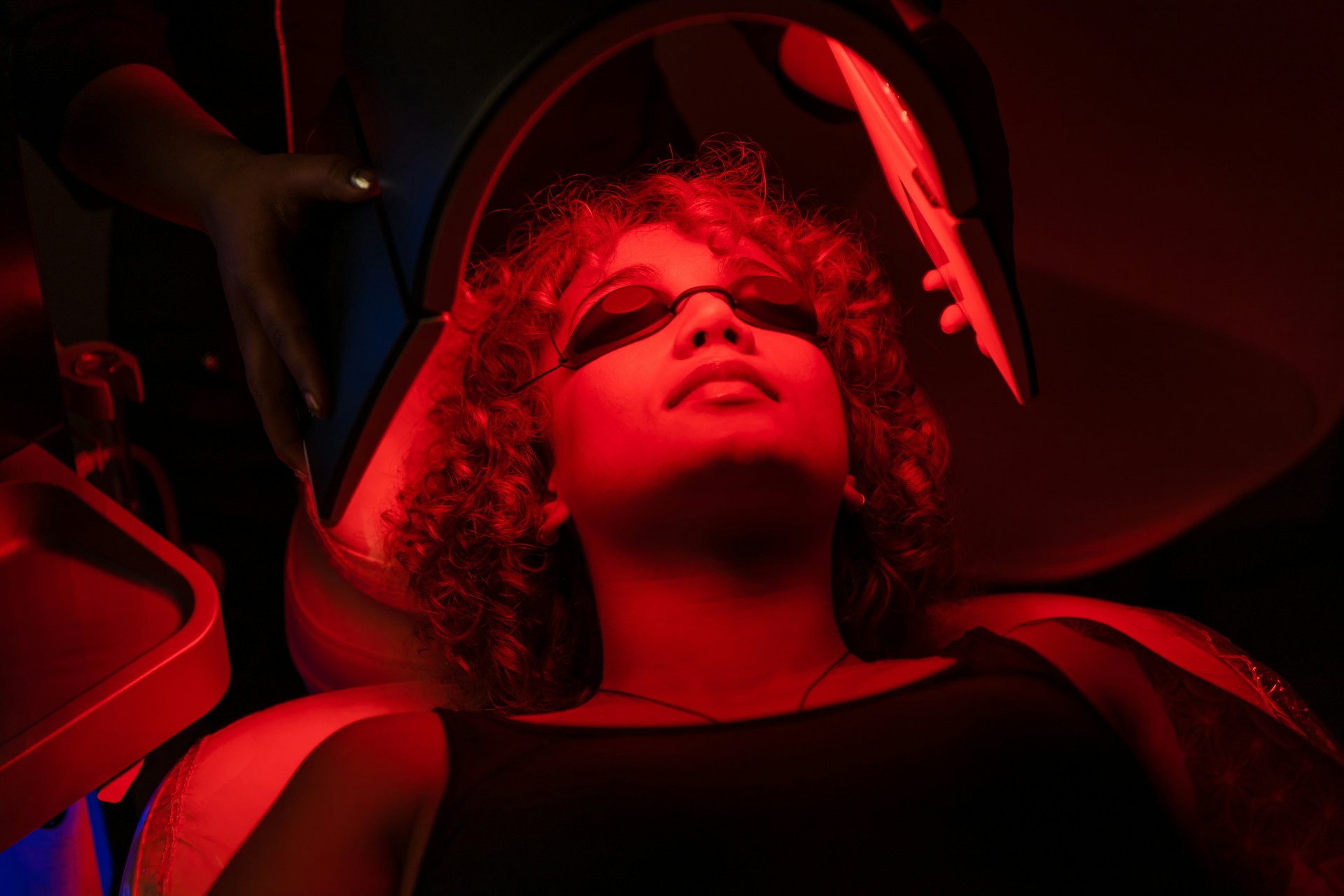
Red light therapy, also referred to as low-level laser therapy and photobiomodulation, is a non-invasive and chemical-free form of therapy that does not involve the use of needles or toxins. Red light therapy employs low-intensity levels of red and near-infrared light to penetrate the skin.
This light energy promotes the activity of the mitochondria, the energy-producing units in the cells. This promoted activity helps the mitochondria produce increased amounts of energy in the form of ATP. ATP facilitates various cellular activities and helps the cells heal and regenerate quickly. Red light therapy also accelerates the production of nitric oxide (NO). Nitric oxide is a compound that helps dilate blood vessels and increase blood flow.
Related stories
Red light therapy naturally relieves pain and inflammation. Furthermore, it induces the production of hormones responsible for combating stress, anxiety, and depression while modulating the secretion of stress hormones.
How Red Light Therapy Supports Stress Reduction and Emotional Balance
Red light therapy relieves stress and induces mental health benefits in a natural way. The spectrum of light used in this therapy stimulates the mitochondria to produce additional energy. The generated energy supports a number of activities performed by neurons and accelerates the healing of neurons. Thus, this therapy promotes the proper functioning of nervous cells and keeps mental health positive.
Red light therapy reduces the secretion of cortisol, a hormone that is released during stress, and increases the secretion of dopamine and serotonin, which are hormones that enhance your mood by making you happy. Red light therapy enhances the quality of your sleep, and this helps your body remain active, happy, and full of energy. Red light therapy performed at night increases the secretion of melatonin, a hormone that helps you sleep.
The Science Behind Red and Near-Infrared Light for Mental Well-Being
Scientific research has proven the efficacy of red light therapy for mental health issues. Several studies have shown that red light therapy stimulates energy production in nerve cells in the brain. It has also been found to help reduce cortisol levels while boosting the production of serotonin and dopamine.
Clinical Trials on Red Light Therapy for Mental HealthStudy 1: Red Light Therapy for Cognitive and Neuropsychiatric Recovery in Post-Stroke Patients.Objective
The research was designed to find out if red light therapy could help patients who experience cognitive deficits and mood disorders following a stroke. The research focused on whether red light could enhance brain function, alleviate symptoms of anxiety and depression, help patients carry out daily activities, and influence the metabolism of formaldehyde in the body.
Results
The patients who received red light therapy had enhanced cognitive function and overall functioning compared with those who did not receive the intervention. The patients also experienced reduced depression and anxiety. Blood and urine tests showed that red light therapy had a positive effect on the metabolism of formaldehyde, reducing hazardous substances and increasing protective enzymes and molecules.
Conclusion
Red light therapy could be a safe and promising alternative for patients with stroke. It has been shown to improve cognitive performance and decrease neuropsychiatric symptoms by facilitating the processing of formaldehyde in the body.
Choosing the Right Red Light Therapy Device for Mental Wellness
If you want to have red light therapy at home, you need to buy a good-quality red light therapy machine. Firstly, it is vital to invest in a high-quality machine because most low-quality machines do not have the required features and are not effective. When shopping for a device, you should ensure that it emits the right range of red and infrared lights. The device must provide sufficient power irradiance to allow the light to penetrate deep into the tissues. It should also be approved by the FDA or another national regulatory authority, indicating that it is safe and effective for home use. Additionally, your device should have high-quality LEDs and user-friendly features.
Fortunately, you can purchase high-quality red light therapy devices from RLT Home. These devices are premium quality, and their customer service is exceptional.
Conclusion: Red Light Therapy as a Key Tool in Modern Wellness
Emerging wellness technology, especially red light therapy, effectively supports mental health. It is ideal for those who cannot spare time for expensive in-clinic treatments. With home-use red light therapy devices, they can perform the therapy in the comfort of their own home whenever it is convenient for them. This convenience also helps reduce tension and stress while providing a natural form of treatment. Red light therapy reduces mental stress and supports good mental health by stimulating increased energy production, enhancing blood flow, increasing the production of serotonin and dopamine, and lowering the production of cortisol.
Comments

Powered by RoundtableAn AI/DeFi-powered Enterprise Media Operating System. Learn more at Roundtable.io.© Roundtable 2026. By using this site you agree to the Terms of Use and Privacy Policy