
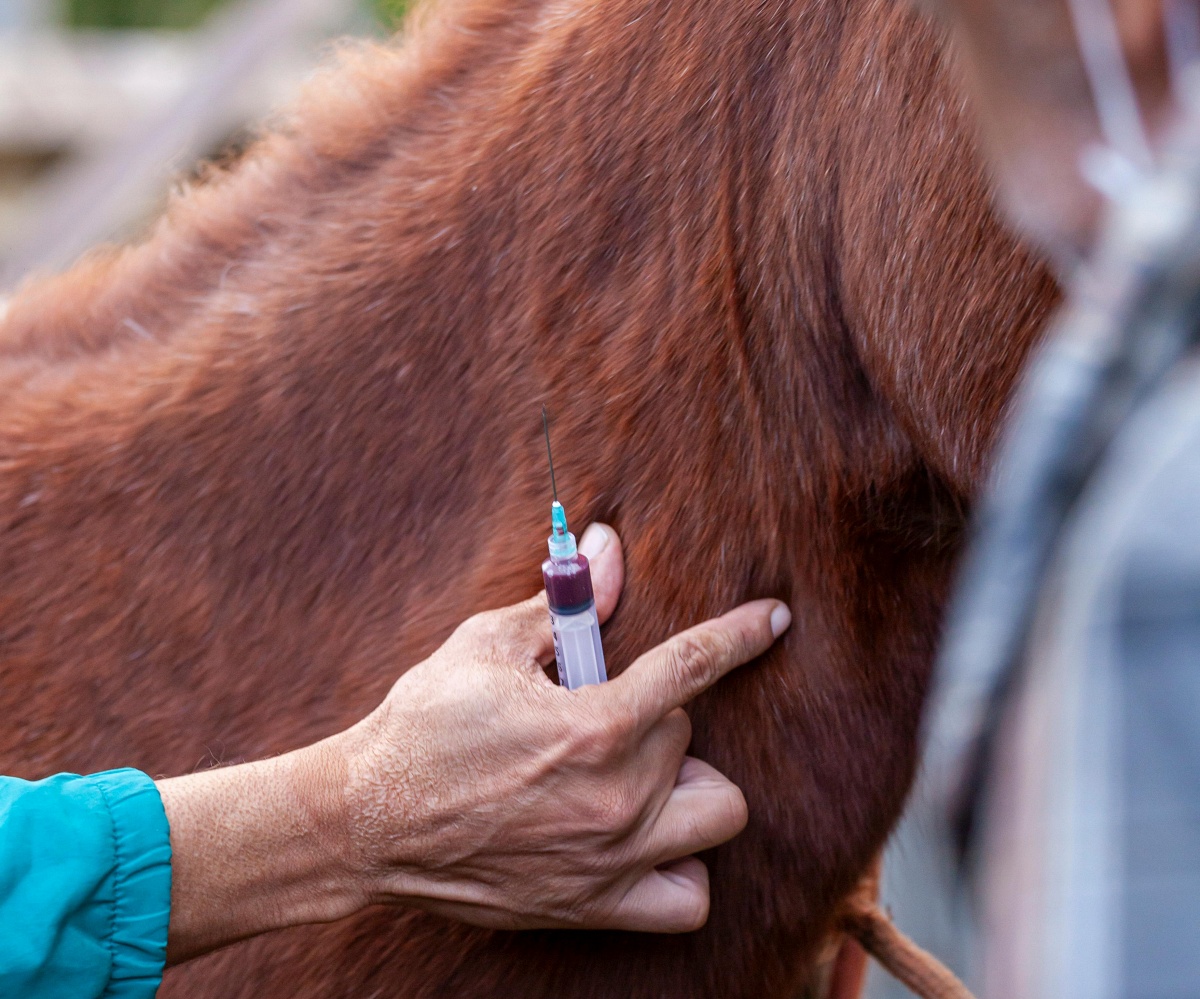
Photo by Fernando Lacerda Branco


Emergency Equine Vet
Jun 17, 2024 7:00 AM
Updated Jun 20, 2024 12:19 AM
Knowing when to call an emergency equine vet can make the difference between life and death for your horse.
Owning a horse is a rewarding experience, but it also comes with immense responsibilities. As any seasoned equestrian will tell you, understanding your horse's health and well-being is paramount. While regular veterinary care is essential, there are times when immediate medical attention is required.
Knowing when to call an emergency equine vet can make the difference between life and death for your horse. This guide will help you recognize signs that necessitate urgent veterinary intervention. Read on.
Recognizing the Signs of Distress
Horses, like all animals, cannot verbally communicate their discomfort, making it crucial for owners to be vigilant about behavioral and physical changes. Here are some key indicators that something might be wrong:
Related stories
Colic Symptoms
Colic is one of the most common and serious horse emergencies. The term "colic" refers to abdominal pain, which can result from various conditions such as gas build-up, twisted intestines, or impaction. Symptoms to watch for include:
- Restlessness and constant pawing at the ground
- Rolling or attempting to roll repeatedly
- Excessive sweating
- Lack of appetite and water intake
- Unusual postures, such as stretching out as if to urinate
- Reduced or absent gut sounds
If your horse displays any of these signs, it's imperative to contact your vet immediately. Colic can escalate quickly and requires prompt medical attention.
Severe Lameness
While mild lameness might not always necessitate urgent care, severe lameness is a different matter. If your horse is unable to bear weight on one or more limbs, it could indicate a serious issue such as:
- Fractures
- Tendon or ligament injuries
- Severe laminitis
- Deep puncture wounds or infections
In such cases, immobilize the horse and call your vet right away. Avoid moving the horse as much as possible to prevent further injury.
Respiratory Distress
Respiratory issues can be life-threatening and should be treated as emergencies. Signs of respiratory distress include:
- Rapid, shallow breathing
- Flared nostrils
- Coughing or wheezing
- Blue or purple gums (cyanosis)
- Extended neck and difficulty breathing
Respiratory distress can result from various causes, such as allergic reactions, infections, or obstructions in the airway. Prompt veterinary intervention is critical.
Neurological Symptoms
Neurological issues can manifest in several ways and often indicate severe underlying conditions. Symptoms to be aware of include:
- Uncoordinated movements or stumbling (ataxia)
- Head tilt or abnormal head positioning
- Seizures or convulsions
- Sudden changes in behavior or personality
- Paralysis or inability to stand
Neurological symptoms can stem from infections, trauma, or toxins. Immediate veterinary evaluation is essential to determine the cause and appropriate treatment.
Eye Injuries and Infections
Eye problems in horses should never be taken lightly. Left untreated, they can lead to permanent damage or blindness. Signs that warrant an emergency call to your vet include:
- Severe swelling or discharge from the eye
- Cloudiness or discoloration of the eye
- Squinting or holding the eye closed
- Trauma or visible foreign objects in the eye
Quick diagnosis and treatment are crucial to prevent lasting damage and ensure your horse's vision is preserved.
Gastrointestinal Obstructions
Gastrointestinal obstructions can lead to severe complications and require urgent care. Symptoms may include:
- Persistent attempts to vomit or regurgitate
- Swelling or distention of the abdomen
- Acute pain and distress
- Inability to pass manure
These symptoms can indicate a blockage that necessitates immediate veterinary intervention to prevent serious harm.
Severe Wounds and Bleeding
Horses are prone to injuries, and while minor cuts and scrapes can often be managed at home, severe wounds require emergency care. Call your vet if:
- The wound is deep and exposes underlying structures like tendons or bones
- There is excessive bleeding that doesn't stop with pressure
- The wound is located near a joint or vital area
- There are signs of infection, such as pus or increased swelling
Prompt treatment can minimize the risk of infection and promote faster healing.
Preparing for an Equine Emergency
Knowing when to call the emergency vet is only part of the equation. Being prepared for an equine emergency can make a significant difference in how effectively you can respond. Here are some steps to ensure you're ready:
Keep Contact Information Handy
Have your equine veterinarian's contact information readily available, including after-hours emergency numbers. Consider keeping this information posted in the barn and saved in your phone.
First Aid Kit for Horses
Maintain a well-stocked first aid kit tailored for equine needs. Items to include:
- Bandages and gauze
- Antiseptic solutions
- Thermometer
- Stethoscope
- Scissors and tweezers
- Eye wash solution
Having these supplies on hand can help you manage a situation until the vet arrives.
Stay Calm and Assess
In an emergency, your ability to stay calm and composed will help your horse remain as calm as possible. Assess the situation carefully and relay accurate information to your vet. This will enable them to provide the best possible advice and treatment plan.
Know Basic Vital Signs
Familiarize yourself with your horse's normal vital signs, including heart rate, respiratory rate, and temperature. This baseline knowledge will help you identify abnormalities quickly and provide useful information to your vet.
Building a Relationship with Your Vet
Having a strong relationship with your equine veterinarian can make navigating emergencies much smoother. Regular check-ups and open communication will ensure your vet is familiar with your horse's health history and can provide tailored advice during emergencies.
Routine Health Checks
Schedule regular health checks to catch potential issues early. Preventative care is key to maintaining your horse's well-being and reducing the likelihood of emergencies.
Open Communication
Keep an open line of communication with your vet. Don't hesitate to reach out with questions or concerns about your horse's health, even if they seem minor. Early intervention can often prevent more serious problems down the line.
Consult an Emergency Equine Vet Today

As a horse owner, recognizing when to call the emergency equine vet is an essential skill that can save your horse's life. By staying vigilant and informed about the signs of distress, you can ensure your equine companion receives prompt and effective care when needed.
Remember, when in doubt, it's always better to err on the side of caution and consult your veterinarian. Your horse's health and safety are worth every effort.
If you want to read more articles, visit our blog.
Comments

Powered by RoundtableAn AI/DeFi-powered Enterprise Media Operating System. Learn more at Roundtable.io.© Roundtable 2026. By using this site you agree to the Terms of Use and Privacy Policy