


Jun 18, 2024 7:00 AM
Updated Jun 22, 2024 9:59 PM
Play is a universal language. It's how children learn about the world, and it's crucial for their development.
Educational toys have been around for as long as parents have been trying to keep their children busy with something more productive than drawing on the walls. But these toys are not just about keeping kids occupied or helping them learn their ABCs and 123s. They can be powerful agents of social change, shaping the minds and values of the next generation in profound ways.
Consider this: a simple wooden block isn't just a block. In the hands of a child, it becomes a tool for learning about shapes, balance, and spatial relationships. But beyond that, it can also teach lessons about sharing, collaboration, and problem-solving. Now, multiply that effect by the thousands of different educational toys available today, and you start to see how these seemingly simple objects can have a massive impact on society.
Let's take a journey into the world of educational toys and explore how they are helping to mold a better future for all of us.
The Power of Play
Play is a universal language. It's how children learn about the world, and it's crucial for their development. Educational toys take this natural inclination to play and channel it toward learning and growth. However, the impact of these toys goes beyond individual development. They can help to break down barriers, promote equality, and foster understanding among diverse groups of people.
Related stories
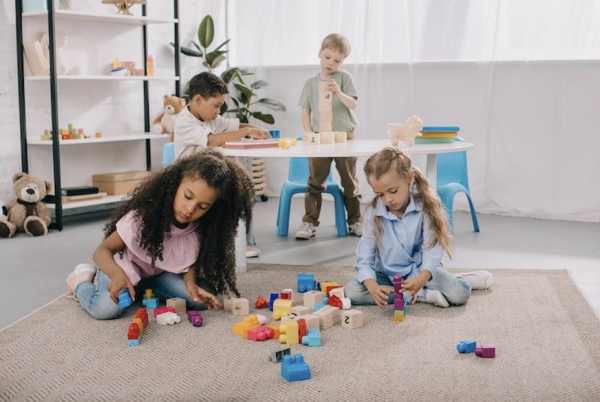
For instance, consider a toy that encourages children to build structures. While kids are figuring out how to make their castles stand tall, they're also learning about engineering and physics. More importantly, when children from different backgrounds play together, they learn to appreciate different perspectives and collaborate toward a common goal. This kind of cooperative play can sow the seeds of tolerance and understanding, crucial elements for social harmony.
Fostering Inclusivity
One of the most significant ways educational toys can act as agents of social change is by fostering inclusivity. Toys designed with inclusivity in mind can help children develop empathy and understanding towards others who are different from them. For example, dolls and action figures that represent a wide range of ethnicities, abilities, and backgrounds can help children see diversity as a normal part of life.
Educational toys can also be designed to be accessible to children with disabilities. Adaptable toys that can be used by all children, regardless of their physical or cognitive abilities, promote inclusivity and ensure that no child feels left out. These toys teach children that everyone has value and can contribute, regardless of their abilities.
Promoting Gender Equality
Gender stereotypes can be deeply ingrained from a young age, but educational toys have the potential to challenge and change these norms. Traditionally, toys have been marketed as "for boys" or "for girls," but there's a growing movement towards gender-neutral toys that encourage all children to explore a wide range of interests and skills.
For example, building sets and science kits are no longer just for boys, and cooking sets and dolls are no longer just for girls. When children are given the freedom to explore all types of play, they develop a more rounded set of skills and interests. This helps break down gender stereotypes and promotes equality.
Moreover, companies are increasingly creating toys that feature strong female characters and role models. These toys can inspire young girls to pursue interests in STEM fields and other areas traditionally dominated by men, helping to close the gender gap in these professions.
Encouraging Environmental Awareness
Educational toys can also play a significant role in promoting environmental awareness and responsibility. Toys made from sustainable materials or those that teach children about the environment can instill a sense of stewardship for the planet from an early age.
For instance, a toy set that includes activities related to gardening, recycling, or renewable energy can help children understand the importance of taking care of our world. When children play with these toys, they learn about the impact of their actions on the environment and are more likely to grow up to be environmentally conscious adults.
Bridging Socioeconomic Gaps
Educational toys can also help to bridge socioeconomic gaps. High-quality educational toys are not always accessible to children from low-income families. However, initiatives that provide these toys to underprivileged communities can help level the playing field.
Programs that donate educational toys to schools and community centers in low-income areas ensure that all children have the opportunity to benefit from these powerful learning tools. This access can make a significant difference in a child's educational development and future opportunities.
Additionally, educational toys that emphasize practical skills, such as coding or engineering, can provide children with valuable knowledge that may lead to better career opportunities later in life. By providing all children with access to these toys, we can help to create a more equitable society.
Educational Toys in Action
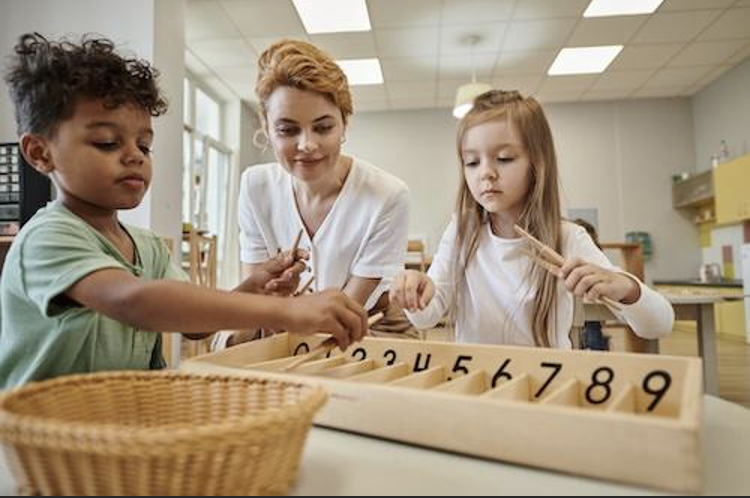
One fantastic example of how educational toys can be agents of social change is the Educational Toys at Alphabet Trains. Their range of Montessori toys, for instance, is designed to foster independence, creativity, and critical thinking. Montessori toys are specifically crafted to promote hands-on learning and problem-solving skills, which are crucial for child development.
These toys are often made from natural materials, which not only make them environmentally friendly but also provide a tactile experience that helps children connect with the world around them. By promoting these values, Montessori toys help to instill a sense of responsibility and care in children from a young age.
Another example is STEM toys that encourage children to explore science, technology, engineering, and math. These toys are designed to make learning fun and interactive, helping children to develop a love for these subjects. This is particularly important for girls and minority children, who are often underrepresented in STEM fields. By providing them with these educational toys, we can help to nurture the next generation of scientists, engineers, and innovators.
Conclusion
Educational toys are far more than just playthings. They are powerful tools that can help to shape the future of our society. By fostering inclusivity, promoting gender equality, encouraging environmental awareness, and bridging socioeconomic gaps, these toys can help to create a more just and equitable world.

So, the next time you're looking for a toy for a child, consider the impact it can have. Choose educational toys that not only entertain but also educate and inspire. Remember, the children who play with these toys today are the ones who will be leading our world tomorrow. By providing them with the right tools, we can help to ensure they build a better, more inclusive, and more equitable future for all of us.
Comments

Powered by RoundtableAn AI/DeFi-powered Enterprise Media Operating System. Learn more at Roundtable.io.© Roundtable 2026. By using this site you agree to the Terms of Use and Privacy Policy