


Sep 10, 2025 7:00 AM
Updated Sep 14, 2025 12:22 AM
When the steel mill closes, when the pension disappears, when the medical bills pile up faster than paychecks, something fundamental breaks in the American psyche.
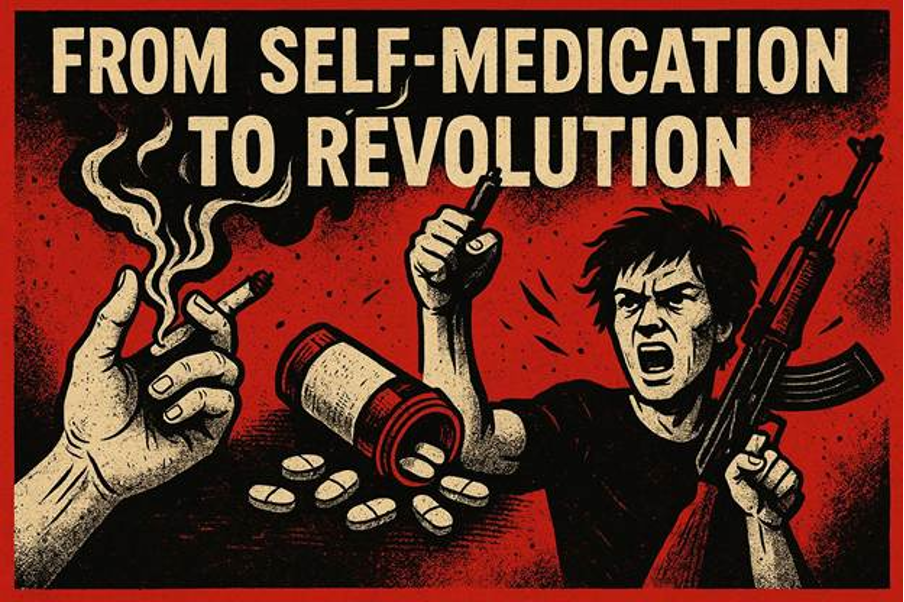
In the hollowed-out factory towns of the Midwest and the struggling communities across America, two seemingly disparate crises are unfolding simultaneously: a surge in substance abuse and a rise in political extremism. Yet these phenomena share a common root – the crushing weight of economic despair that has settled over millions of American families like a suffocating blanket.
The Anatomy of Despair
When the steel mill closes, when the pension disappears, when the medical bills pile up faster than paychecks, something fundamental breaks in the American psyche. The promise that hard work leads to prosperity – the very foundation of the American Dream – crumbles. In its place grows a gnawing anxiety that pervades every aspect of life: Will I lose my home? Can I afford my insulin? What future awaits my children?
This economic insecurity doesn't just affect bank accounts; it rewires brains. Chronic stress floods the body with cortisol, disrupting sleep, triggering depression, and driving people to seek relief wherever they can find it. For some, that relief comes in a bottle. For others, it's a pill. And for an increasing number, it manifests as rage directed at a system that seems rigged against them.
Related stories
The Self-Medication Epidemic
The numbers tell a devastating story. Counties with the highest unemployment rates consistently show the highest rates of opioid overdoses. Communities that lost manufacturing jobs in the past two decades have seen alcohol-related deaths triple. This isn't coincidence – it's causation.
When traditional paths to success vanish, when dignity through work becomes impossible, people turn to whatever numbs the pain. A laid-off autoworker in Michigan told researchers, "The pills made me forget that I went from making $35 an hour to begging for shifts at minimum wage. They made me forget I was nobody anymore."
This self-medication represents more than personal tragedy; it's a rational response to an irrational system. When society offers no hope, when healthcare is unaffordable, when mental health services are nonexistent, the corner dealer becomes the de facto psychiatrist, and the liquor store serves as the community mental health center.
The Radicalization Pipeline
But substances aren't the only refuge for those drowning in economic anxiety. The same despair that drives addiction also fuels political extremism. Lost jobs, foreclosed homes, and vanished opportunities create a volatile cocktail of anger and alienation – emotions that extremist movements expertly exploit.
Online forums filled with economically displaced individuals become breeding grounds for radicalization. The former factory worker searching for answers about why his life fell apart finds communities offering simple explanations: it's the immigrants, the elites, the "others" who stole your future. These narratives provide what drugs provide – temporary relief from the unbearable weight of systemic failure.
Research from MIT shows that economic downturns directly correlate with increased extremist group membership. Communities with the highest job losses show the greatest increases in hate group activity. The same desperation that leads one person to heroin leads another to extremism – both are attempting to escape an unbearable reality.
The False Promise of Simple Solutions
Both addiction and extremism offer the illusion of control in a world spinning out of control. The drink promises to quiet the anxiety. The radical ideology promises to identify and punish those responsible for your suffering. Neither delivers lasting relief, but both provide temporary escape from the crushing realization that the system has abandoned you.
This parallel extends further: both addiction and extremism isolate individuals from mainstream society, creating alternative communities of the similarly afflicted. Both require increasingly extreme behaviors to achieve the same effect. Both ultimately destroy families and communities while promising to save them.
Breaking the Cycle: Addressing Root Causes
The solution to both crises lies not in treating symptoms but in addressing the underlying disease of economic injustice. Universal healthcare would ensure that mental health treatment and addiction services are available to all, not just those who can afford them. Living wages would restore dignity to work. Robust social safety nets would reduce the anxiety that drives people to desperate measures.
Communities that have invested in economic revitalization show decreases in both addiction rates and extremist activity. When people have hope, when they see a future for their children, when they feel valued by society, they're less likely to seek escape through substances or radical ideologies.
The Path Forward
Recovery – both individual and societal – requires acknowledging that addiction and extremism are symptoms of a deeper malaise. The opioid crisis isn't separate from the crisis of democracy; they're twin manifestations of a system that has failed its most vulnerable citizens.
Healing begins with compassion, not judgment. It requires seeing the addicted person and the radicalized individual not as moral failures but as casualties of economic warfare. It demands that we address not just the behaviors but the conditions that created them.
For families watching loved ones struggle with addiction while society crumbles around them, professional help offers a lifeline. Treatment centers like Seasons in Malibu understand that recovery happens not in isolation but in the context of family, community, and society. True healing addresses not just the substance use but the underlying trauma, including the economic anxiety that drives so many to desperation.

Until we build an economy that works for everyone, until we create a society that values human dignity over profit margins, we'll continue to see our neighbors, friends, and family members seeking escape through whatever means available. The choice is ours: continue treating the symptoms while the disease spreads, or finally address the root causes of our interconnected crises. The lives of millions hang in the balance.
Comments

Powered by RoundtableAn AI/DeFi-powered Enterprise Media Operating System. Learn more at Roundtable.io.© Roundtable 2026. By using this site you agree to the Terms of Use and Privacy Policy