


Mar 29, 2025 7:00 AM
Updated Apr 2, 2025 5:10 AM
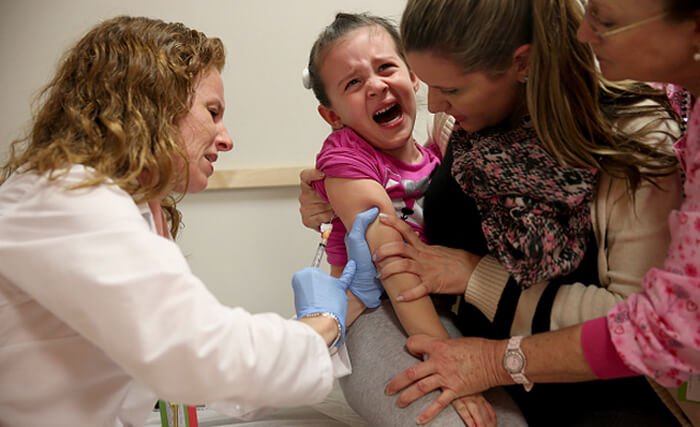
Understanding the DTaP vaccine schedule can help parents ensure their children receive the necessary doses at the right time.
Vaccines are among the most effective ways to protect children and adults from serious diseases. Among the many vaccines available, DTaP and Tdap are crucial in preventing tetanus, diphtheria, and pertussis (whooping cough)—three bacterial infections that can cause severe complications. While these two vaccines protect against the same diseases, they are given at different stages of life and contain different levels of protection.
Understanding the DTaP vaccine schedule can help parents ensure their children receive the necessary doses at the right time. Likewise, staying up to date with Tdap boosters ensures lifelong immunity. Book your family's vaccinations today to stay protected and on track.
What Are DTaP and Tdap Vaccines?
Both DTaP and Tdap vaccines protect against:
● Diphtheria – A bacterial infection that can cause breathing difficulties, heart damage, and paralysis.
Related stories
● Tetanus – Also known as lockjaw, tetanus causes painful muscle stiffness and can be life-threatening.
● Pertussis (Whooping Cough) – A highly contagious disease that causes severe coughing fits, which can be dangerous for babies.
The key difference between DTaP and Tdap is who receives them and when. The DTaP vaccine is given to young children, while the Tdap vaccine is a booster for teens and adults.
Who Needs DTaP vs. Tdap?
The difference between these two vaccines comes down to age and dosage.
● DTaP is for infants and young children (ages 2 months to 6 years). This version contains higher doses of diphtheria and pertussis protection because young children need stronger immunity.
● Tdap is for preteens, teens, and adults (ages 11 and older). It contains lower diphtheria and pertussis component doses while maintaining strong protection against tetanus.
Since protection from childhood vaccines fades over time, older children, teens, and adults need a Tdap booster to stay protected.
DTaP Vaccine Schedule for Kids
Healthcare providers designed DTaP vaccines to protect infant and toddler populations during their most vulnerable infection periods.
The medical community suggests five doses of the DTaP vaccine that should be administered according to this schedule:
● 2 months
● 4 months
● 6 months
● 15–18 months
● 4–6 years
These vaccination doses instill strong protective immunity in young individuals to defend against diphtheria, tetanus and whooping cough infections. Children must receive their missed vaccination at the earliest suitable time to maintain their protection.
Tdap Vaccine Schedule for Teens and Adults
As children grow, their immunity from the DTaP vaccine gradually fades, which is why booster shots are needed.
● Preteens (11–12 years old) should receive a Tdap booster to reinforce their immunity.
● Pregnant women should get a Tdap booster during every pregnancy, ideally between weeks 27 and 36, to pass protection to their newborns.
● Adults without a Tdap booster should get one as soon as possible.
● Adults should receive a Td (tetanus-diphtheria) booster every 10 years, at least one of which should be a Tdap booster.
If an adult hasn’t received the Tdap vaccine, they should get it immediately, especially around young children or newborns.
Why Are These Vaccines Important?
DTaP and Tdap vaccines are essential because they protect individuals and communities from dangerous infections.
● Babies rely on others for protection. Since newborns cannot receive the vaccine until 2 months old, they depend on vaccinated parents, caregivers, and siblings to prevent the spread of whooping cough.
● Herd immunity helps protect vulnerable populations. When more people are vaccinated, the spread of disease slows down, reducing outbreaks.
● Tetanus is life-threatening but preventable. Unlike diphtheria and pertussis, it isn’t spread from person to person—it comes from environmental bacteria. Vaccination is the only way to prevent infection.
Without vaccination, whooping cough and diphtheria outbreaks could return, leading to serious complications for young and older adults.
Booking Your Vaccination Appointment
Keeping track of your child's immunization schedule and booster shots is essential for long-term health. Fortunately, scheduling vaccines has never been easier.
● Check your child’s vaccine records to see if they are current on their DTaP vaccine schedule.
● Confirm your vaccination status. If you haven’t had a Tdap booster, schedule one as soon as possible.
● Use an online scheduling tool to book vaccine appointments conveniently.
Conclusion
DTaP and Tdap are essential for protecting against dangerous diseases that can still spread if vaccinations are missed. Families can stay safe and healthy by following the DTaP vaccine schedule for children and ensuring teens and adults receive their Tdap booster.

Make sure your family’s vaccinations are up to date. Staying on top of immunizations is one of the simplest ways to prevent serious illnesses and protect loved ones. Don't wait—schedule your vaccinations today and enjoy peace of mind knowing your family is protected!
Comments

Powered by RoundtableAn AI/DeFi-powered Enterprise Media Operating System. Learn more at Roundtable.io.© Roundtable 2026. By using this site you agree to the Terms of Use and Privacy Policy